U.S. HIV Aid to Zambia Under Scrutiny Amidst Mineral Access Negotiations
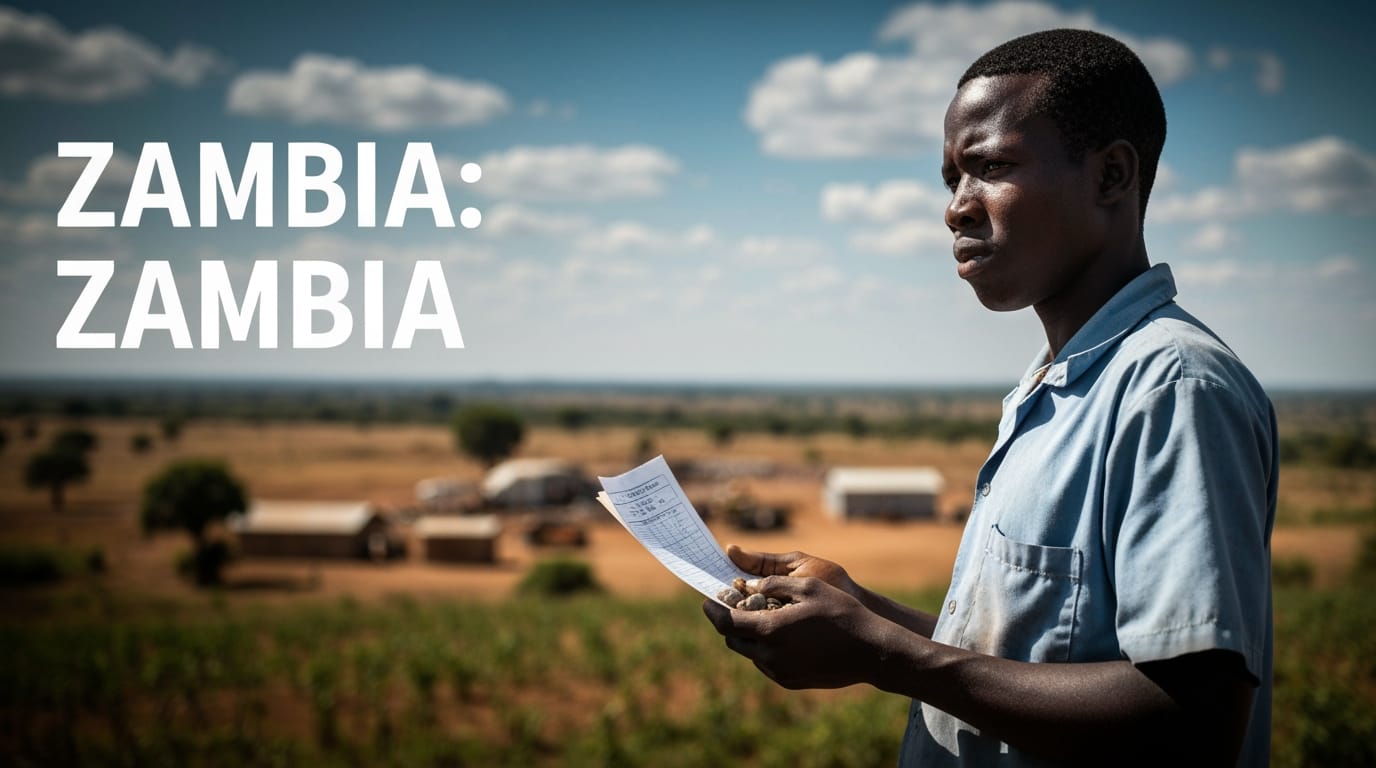
Lusaka, Zambia – A critical examination is unfolding regarding the future of U.S. health assistance to Zambia, particularly the long-standing and life-saving HIV treatment programs, as reports indicate a potential linkage between this aid and U.S. access to Zambia’s vast critical mineral resources. The alleged conditioning of humanitarian support on economic concessions has sparked alarm among public health advocates and ignited a debate over the evolving nature of foreign aid and geopolitical competition in Africa.
Decades of Lifesaving Support Under Scrutiny
For over two decades, the U.S. President's Emergency Plan for AIDS Relief (PEPFAR) has been a cornerstone of Zambia's fight against HIV/AIDS. Since its inception in 2003, PEPFAR has invested billions of dollars into Zambia's national HIV response, providing comprehensive prevention, care, and treatment services. The initiative is credited with significantly transforming the HIV/AIDS landscape in the country, helping to reduce annual HIV/AIDS deaths and enabling Zambia to nearly achieve the ambitious UNAIDS "95-95-95" targets for diagnosis, treatment, and viral suppression. Approximately 1.3 million Zambians currently rely on daily HIV treatment supported by U.S.-funded programs. The U.S. government committed $390.5 million for HIV prevention, treatment, care, and support for Zambia in fiscal year 2023, with over $6.7 billion provided since 2004.
Zambia's Critical Mineral Riches and Geopolitical Interests
Beyond its public health challenges, Zambia holds strategic importance on the global stage due to its rich reserves of critical minerals. The country is a major producer of copper and possesses substantial deposits of cobalt and lithium, materials essential for modern technologies including electric vehicles, renewable energy infrastructure, and advanced electronics. As global demand for these minerals surges, nations like the United States are increasingly focused on securing stable supply chains, particularly amidst intensifying competition with China for influence and resources across Africa. The U.S. Trade and Development Agency (USTDA) has actively supported projects aimed at diversifying U.S. access to these minerals, including funding for feasibility studies to expand Zambian copper and cobalt extraction.
The Alleged Link: Aid for Access
Recent reports, citing a New York Times investigation, suggest that discussions surrounding a proposed U.S. health aid package for Zambia have become intertwined with broader negotiations concerning Zambia's mining sector. A proposed $1.5 billion U.S. health aid package, intended to bolster Zambia’s fight against HIV and other infectious diseases, was reportedly delayed, with Washington making its finalization contingent on "collaboration in the mining sector" and broader business reforms. Other reports mention a proposed $1 billion package over five years, which is notably less than previous levels of U.S. health support for Zambia.
A leaked State Department memo, reportedly prepared for Secretary of State Marco Rubio, underscored a transactional approach, stating that U.S. priorities would "only secure... by demonstrating willingness to publicly take support away from Zambia on a massive scale." This memo reportedly suggested that scaling back critical assistance, including HIV treatment funding, could be used as leverage to pressure Lusaka into a comprehensive agreement that would facilitate greater access for American companies to Zambia's mining sector. Additionally, the proposed deal reportedly included a commitment for Zambia to grant Washington access to its health data for 10 years, a term considered more stringent than agreements with other nations.
Zambia's Pushback and International Concerns
The Zambian government has expressed reservations and pushed back on specific clauses within the proposed health aid agreement, particularly those perceived to link health funding with mineral access and data-sharing provisions. While acknowledging ongoing engagement, Zambian officials have asserted that any health agreement "has no relation whatsoever to minerals, mining, or any natural resources," emphasizing that constructive engagement must align with Zambia's national interests.
However, the U.S. Embassy in Zambia has previously indicated that the broader framework aims to unlock substantial grant funding in exchange for collaboration in Zambia's mining sector and reforms to its business environment. This perceived linkage has drawn sharp criticism from health activists and foreign policy observers. Critics argue that conditioning humanitarian aid on access to resources blurs the ethical lines of development assistance, risks undermining decades of global health diplomacy, and potentially prioritizes commercial interests over the urgent public health needs of millions.
The potential consequences of disrupted aid are severe, given Zambia's high dependence on external funding for its HIV programs. Reports by UNAIDS suggest that a pause in foreign assistance has already caused significant disruptions to HIV services, particularly prevention services. The situation in Zambia mirrors concerns raised in other African nations, such as Zimbabwe and Kenya, which have also resisted or pushed back against U.S. health aid deals containing similar conditionalities related to data sharing and access to critical minerals.
A Precarious Balance
The unfolding situation in Zambia highlights a complex and evolving dynamic in international relations, where traditional humanitarian aid increasingly intersects with strategic economic and geopolitical interests. The debate underscores a broader shift in U.S. foreign policy, particularly under the "America First" strategy, which seeks to align foreign assistance more directly with U.S. strategic and economic objectives.
For Zambia, the challenge lies in balancing its profound public health needs, particularly in HIV/AIDS, with safeguarding its sovereignty and maximizing the benefits from its valuable mineral resources. The outcome of these negotiations will not only determine the trajectory of Zambia's health sector but will also serve as a significant precedent for how resource-rich developing nations navigate foreign aid in an era of heightened global competition for critical materials.


