U.S. House Defies Administration with Sweeping Ukraine Aid and Russia Sanctions Bill
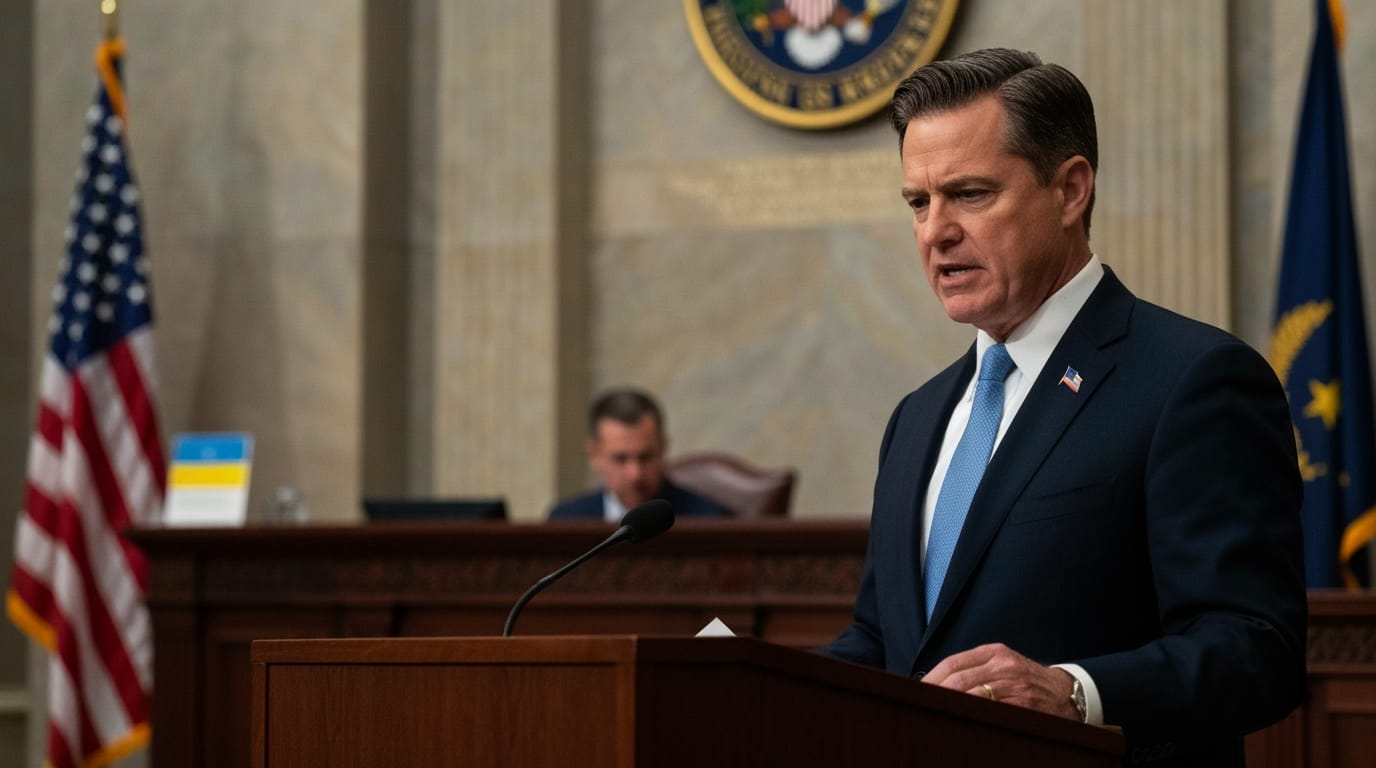
WASHINGTON – In a significant legislative move, the U.S. House of Representatives on Thursday passed a comprehensive bill aimed at bolstering aid to Ukraine and escalating sanctions against Russia. The "Ukraine Support Act" secured passage with a bipartisan vote of 226 to 195, a demonstration of congressional resolve that notably bypassed opposition from some Republican leadership and the current administration. This vote represents a pivotal moment, signaling a continued commitment to Ukraine’s defense against Russian aggression amidst domestic political divisions.
The passage of the Ukraine Support Act arrives at a critical juncture in the ongoing conflict, as Kyiv continues its struggle against a prolonged invasion. The legislation, championed by Representative Gregory Meeks (D-NY), the top Democrat on the House Foreign Affairs Committee, provides substantial financial and military assistance while imposing new economic pressures on Moscow. Its advancement underscores a growing impatience within certain congressional circles regarding the effectiveness of current U.S. policy towards the region and the approach of President Donald Trump.
A Bipartisan Stand Against Opposition
The journey of the Ukraine Support Act through the House was marked by an "unusual path" to passage, ultimately succeeding through a legislative maneuver known as a discharge petition. This rarely used tool allowed a majority of lawmakers to force a vote on the bill, circumventing the reluctance of House leadership. A total of 218 signatures were gathered for the petition, including those of six Republicans who broke ranks with their party's establishment to support the measure. On the final vote, 18 Republicans, alongside one independent, joined nearly all Democrats in approving the bill, highlighting a bipartisan consensus on supporting Ukraine despite broader political friction.
This cross-party collaboration emerged in defiance of the Trump administration, which had expressed opposition to further funding for Ukraine. The vote also followed another significant foreign policy decision by the House earlier in the week, wherein lawmakers approved a war powers resolution aimed at halting U.S. military action against Iran. Together, these actions suggest a broader shift in congressional foreign policy alignment, particularly concerning issues where the legislative body's stance diverges from the White House. Representative Gregory Meeks emphasized that the vote demonstrated the House's solidarity with the Ukrainian people and its commitment to holding the Russian government accountable for its invasion. Similarly, Representative Don Bacon, a Republican who supported the bill, framed the vote as a "Churchill vs. Chamberlain moment," advocating for standing with freedom and democracy.
Comprehensive Aid and Targeted Sanctions
The core of the Ukraine Support Act is multifaceted, designed to provide both immediate and long-term assistance to Kyiv while simultaneously increasing economic pressure on the Kremlin. The legislation authorizes $8 billion in military finance loans, a crucial mechanism for Ukraine to acquire necessary defense equipment and capabilities from the United States. Furthermore, it extends the Ukraine Security Assistance Initiative (USAI) through 2027, allowing for the direct transfer of weapons and other military aid from Pentagon stockpiles, streamlining the delivery of critical supplies.
Beyond military provisions, the bill earmarks over $1 billion in security and reconstruction aid, aiming to assist Ukraine in rebuilding vital infrastructure and enhancing its national security posture. An additional $300 million in long-term U.S. military aid is also included, signifying an enduring commitment to Ukraine's defense capabilities.
On the sanctions front, the act tightens existing measures and introduces new restrictions aimed at key segments of the Russian economy. Provisions include expanding sanctions on Russia's vital oil and gas sector and imposing increased restrictions on financial institutions that continue to conduct business with Russia. These "stiff sanctions and export controls" are designed to target Russian financial, oil, and mining sectors, as well as specific officials, thereby impeding Russia's ability to finance its military operations and destabilize the global economy. The cumulative effect of these measures is intended to weaken Russia's war machine and compel a reassessment of its aggressive policies.
Political Undercurrents and Administration Rift
The passage of the Ukraine Support Act highlights a deepening rift between the legislative and executive branches over foreign policy, particularly concerning the conflict in Eastern Europe. President Trump has consistently voiced skepticism regarding extensive U.S. involvement and funding for Ukraine, a stance reflected in a significant downturn in American military aid to Kyiv, which reportedly decreased by 99% during his first year back in office. Critics argue that the administration's approach has often favored Russian interests, leading to concerns about the long-term implications for U.S. alliances and democratic values.
The House's vote signals a clear pushback against this narrative, with many lawmakers expressing a belief that withdrawing support would only embolden Russia and undermine international stability. The bipartisan coalition that formed to pass the bill underscores a conviction among a substantial number of representatives that active engagement in Ukraine's defense is a matter of American security and moral clarity. Representative Brian Fitzpatrick, a Republican co-chair of the Congressional Ukraine Caucus, affirmed this sentiment, stating that support for Ukraine is "a matter of American security, allied strength, and moral clarity." The House's resolve suggests a legislative body increasingly willing to assert its foreign policy prerogatives, even when it means directly confronting the executive branch.
Uncertain Path Ahead in the Senate
Despite the decisive vote in the House, the Ukraine Support Act faces an uncertain future in the Senate. For the bill to become law, it must secure passage in the upper chamber and subsequently receive presidential assent. However, Senate Republican leadership has historically shown reluctance to advance similar legislation, often deferring to the administration's guidance on such matters. Any bill would need at least 60 votes to overcome procedural hurdles in the Senate.
Previous attempts at imposing new sanctions on Russia and bolstering Ukraine aid in the Senate have languished. For instance, a bipartisan sanctions bill, often referred to as the Graham-Blumenthal bill, has been stalled for months, indicating the challenges that lie ahead for the House-passed legislation. Should the Ukraine Support Act clear the Senate, it is widely anticipated to face a likely veto threat from President Trump, who has consistently expressed reservations about providing further aid to Kyiv. The legislative process therefore remains fraught with potential obstacles, reflecting the deep divisions within Washington over the optimal strategy for addressing the protracted conflict in Ukraine.
The U.S. has historically provided substantial assistance to Ukraine, with approximately $195 billion approved for the Ukraine response to date, a quarter of which has gone to replenishing U.S. military stockpiles. While major legislative packages saw significant action in previous years, including April 2024, the current bill represents the most robust aid package to advance in over a year, despite some concerns within Congress regarding its specific funding allocations, such as the Ukraine Security Assistance Initiative fund being lower than an amount previously approved for Fiscal Year 2026.
The House's passage of the Ukraine Support Act stands as a powerful declaration of legislative intent. It signals a robust commitment to Ukraine's sovereignty and a firm stance against Russian aggression, even as it navigates a complex domestic political landscape and an uncertain path to becoming law. The bipartisan vote underscores a enduring belief among a significant portion of U.S. lawmakers that supporting Kyiv remains critical for American strategic interests and global stability.


