U.S. in Controversial Talks to Relocate Afghan Refugees to Conflict-Ridden DR Congo
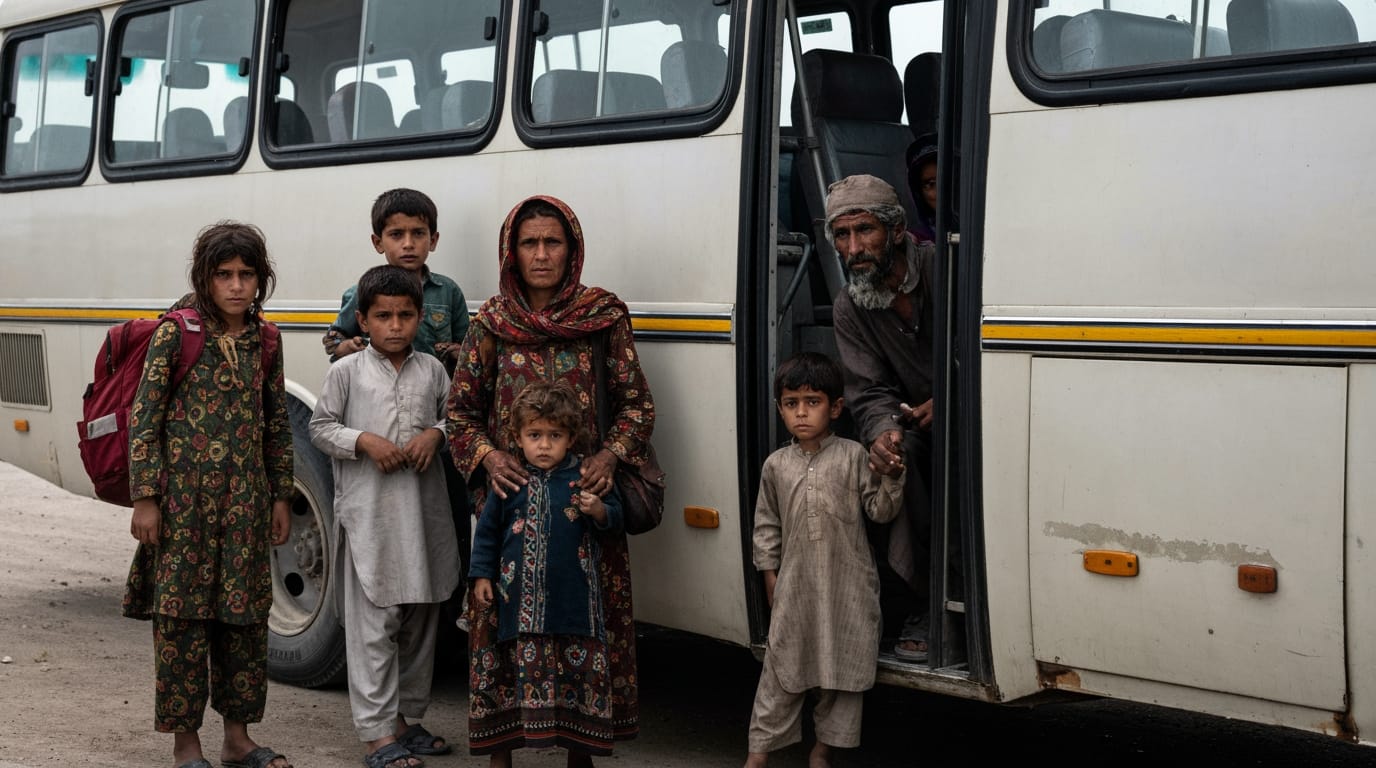
Washington, D.C. – The United States is reportedly engaged in discussions with the Democratic Republic of Congo (DR Congo) to resettle a contingent of Afghan refugees, a move that has ignited a firestorm of criticism from humanitarian organizations and underscored the complex challenges of global displacement. This potential arrangement, involving up to 1,100 Afghans currently housed in Qatar, including many who aided U.S. forces, casts a stark light on the Trump administration's evolving immigration strategies and raises profound ethical questions about refugee protection.
The proposal suggests a choice for these Afghans: return to Taliban-controlled Afghanistan or relocate to a nation grappling with one of the world's most severe humanitarian crises. While the U.S. government has yet to officially confirm details, aid workers briefed on the plan indicate that the discussions are advanced, prompting urgent calls for greater transparency and accountability regarding the welfare of those impacted.
Awaiting a New Home: The Plight of Afghan Evacuees
The group at the center of these negotiations includes individuals crucial to the American war effort in Afghanistan, such as military interpreters, former members of Afghan Special Operations forces, and their family members. More than 400 children are among this vulnerable population. For over a year, these Afghans have been living in limbo at Camp As Sayliyah in Qatar, a former U.S. military base, following their evacuation by the United States due to the immediate danger they faced under Taliban rule. They were brought to Qatar with the promise of a path to settlement in the United States, contingent on further security checks.
The discussions to divert these refugees to a third country in Africa signal a significant departure from established U.S. refugee resettlement practices. The U.S. Refugee Admissions Program (USRAP) has historically provided resettlement opportunities for individuals of "special humanitarian concern," with admission levels fluctuating based on global displacement patterns and domestic priorities. However, the Trump administration has previously curtailed refugee admissions, and this latest development is seen by some as an extension of stricter immigration policies. American diplomats have reportedly been exploring similar arrangements with various African nations for months, though many of these talks have not materialized.
DR Congo: A Nation Under Duress
The proposed destination, the Democratic Republic of Congo, is itself mired in deep-seated humanitarian challenges, raising serious concerns about its capacity to absorb and adequately support additional refugee populations. The DR Congo hosts approximately 6.9 million internally displaced people, with over 5 million concentrated in its eastern provinces due to persistent conflict and violence. Furthermore, the country is already home to over 517,000 refugees and asylum-seekers who have fled neighboring countries like the Central African Republic, Rwanda, and Burundi.
Human rights advocates argue that placing Afghan refugees in DR Congo would be akin to moving them "from the world's No. 1 refugee crisis to the world's No. 2 refugee crisis." The country, despite its official recognition of refugee and asylum seeker status, struggles with systemic inadequacies, security challenges, and frequent epidemics, making it a difficult environment for vulnerable populations. Critics question the wisdom of sending individuals who supported U.S. efforts into an unstable region, particularly given the DR Congo's own ongoing conflicts, including a protracted struggle for power involving numerous armed groups and external actors.
While the Congolese government has indicated a willingness to provide "temporary reception" for deported migrants under a deal with the U.S., it has emphasized that Washington would cover the associated costs and that each case would be individually examined. This agreement is presented as a temporary measure and not a permanent settlement, with Kinshasa asserting full control over entry and stay conditions. However, the practicalities of ensuring safety, access to basic services, and long-term integration for new arrivals in such a fragile context remain a significant point of contention.
Geopolitical Chessboard and Broader Implications
The discussions between the U.S. and DR Congo extend beyond refugee resettlement, encompassing broader diplomatic and economic interests. These talks are reportedly unfolding against a backdrop of U.S. efforts to mediate peace between DR Congo and Rwanda, and to secure access to the DR Congo's rich deposits of critical minerals. This confluence of interests has led some observers to suggest that the refugee relocation proposal could be part of a larger geopolitical strategy, potentially linking humanitarian concerns with economic and security objectives. The Trump administration has reportedly explored similar "third-country deportation" arrangements with several other African nations since 2025, including Ghana, Cameroon, and South Sudan.
The broader context of these negotiations highlights a contentious aspect of contemporary immigration policy, where the U.S. seeks to outsource the processing and housing of migrants. While the DR Congo government states that the arrangement will not impact its public treasury and aligns with national sovereignty, human rights groups worry about the precedent set by such deals and the potential for vulnerable individuals to be caught in legal and humanitarian limbo.
The Human Cost of Displacement
For Afghan refugees, the prospect of further displacement, particularly to a region like the DR Congo, adds another layer of trauma to already arduous journeys. Many Afghans who have previously resettled in the United States have faced substantial challenges, including cultural adjustment, language barriers, difficulties finding suitable employment, and significant mental health issues stemming from pre-migration trauma and the complexities of resettlement. The absence of a clear pathway to permanent residency and the struggle to establish new lives have been noted as significant stressors.
These difficulties underscore the importance of robust resettlement infrastructure and comprehensive support systems, which humanitarian organizations fear would be severely lacking in the proposed DR Congo scenario. The psychological toll of repeated displacement and uncertainty can be profound, impacting individuals' ability to integrate and achieve self-sufficiency.
Conclusion: An Uncertain Future
The talks between the U.S. and DR Congo regarding the relocation of Afghan refugees represent a deeply contentious and complex issue. While the U.S. government seeks solutions for Afghans who aided its mission and who cannot safely return home, the proposed plan raises significant humanitarian and ethical questions. The DR Congo, itself a nation in profound crisis, presents a challenging environment for refugee resettlement, prompting concern from aid agencies worldwide.
As negotiations continue, the fate of hundreds of Afghan individuals, including families and children, hangs in the balance. The discussions illuminate the persistent tension between geopolitical objectives, national immigration policies, and the fundamental humanitarian commitment to protecting vulnerable populations. The ultimate outcome will not only determine the future of these specific Afghan refugees but may also shape future approaches to international refugee resettlement.


