U.S. Military Escalates Pacific Anti-Drug Operations with Deadly Strike
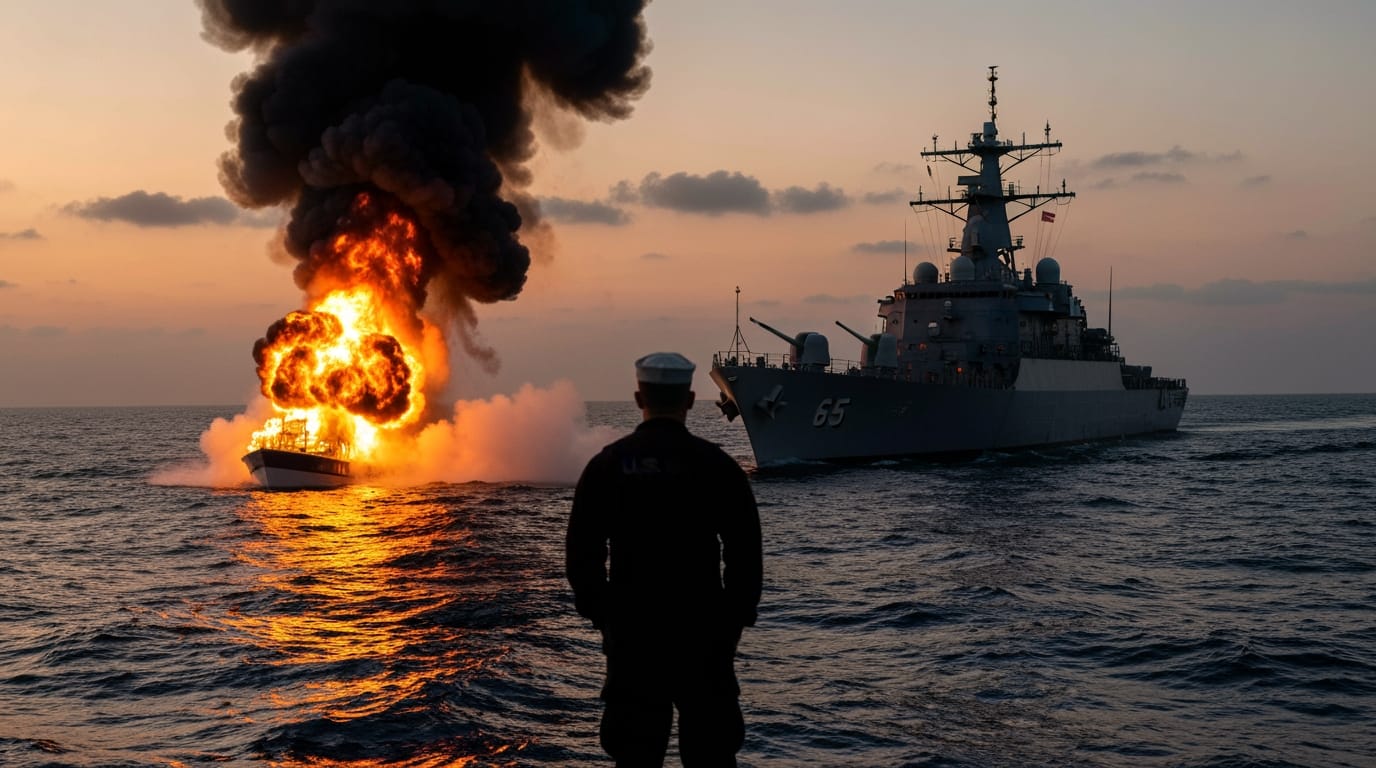
WASHINGTON – The U.S. military has intensified its controversial campaign against alleged drug trafficking, conducting another lethal strike in the Eastern Pacific Ocean on Thursday that resulted in the deaths of two individuals. This incident, announced by U.S. Southern Command (SOUTHCOM), marks the latest action in "Operation Southern Spear," an aggressive counter-narcotics initiative that has claimed the lives of at least 119 people since its inception in September 2025. The ongoing strikes, characterized by the Trump administration as an "armed conflict" against drug cartels, continue to draw scrutiny from lawmakers and legal experts regarding their legality and the evidence supporting the military's claims.
Latest Strike Adds to Rising Toll
The recent engagement occurred on February 5, with Joint Task Force Southern Spear executing a "lethal kinetic strike" on a vessel reportedly operated by "Designated Terrorist Organizations" in the Eastern Pacific. General Francis L. Donovan, who assumed command of SOUTHCOM on the same day, directed the operation. No U.S. military personnel were harmed in the strike. This action follows closely on the heels of other deadly encounters, including one on December 18, 2025, which killed four individuals, and another on November 16, 2025, that resulted in three deaths.
Operation Southern Spear: An Evolving Strategy
Launched in September 2025, Operation Southern Spear represents a significant escalation in U.S. efforts to disrupt maritime drug trafficking routes from Latin America to the United States. The campaign initially focused on the Caribbean Sea before expanding to include the Eastern Pacific Ocean. As of February 5, 2026, the cumulative death toll from these strikes has reached at least 119 people, with at least 36 strikes on 37 vessels reported by late January 2026.
The operations involve a multi-branch effort, utilizing assets from the U.S. Navy, Air Force, Marine Corps, and Coast Guard. The targeted vessels are typically fast-moving crafts, with one described as a 12-meter (39-foot) "flipper type" speedboat equipped with four 200-horsepower engines, allegedly originating from Venezuela.
Justification, Allegations, and Growing Congressional Scrutiny
The Trump administration has consistently justified these lethal strikes by asserting that the U.S. is engaged in an "armed conflict" with drug cartels and that the vessels are operated by "narco-terrorists." SOUTHCOM has often stated on social media that the vessels are linked to designated terrorist organizations and are transiting along known trafficking routes. The administration has specifically named groups like the Venezuelan criminal organization Tren de Aragua as operating these vessels.
However, the military has often not provided public evidence to substantiate these claims, leading to increasing skepticism and scrutiny from Capitol Hill. Lawmakers, including some Republicans, have pressed for more information regarding the identities of those targeted and the legal basis for the operations. Military officials have reportedly acknowledged in congressional briefings that they do not always know the identities of everyone on board the destroyed boats. Multiple current and former military lawyers have also raised concerns, suggesting that the legality of these strikes is questionable. Critics point out that the administration has provided little public evidence that those killed are cartel affiliates or that every vessel indeed carried drugs.
Bolstering Regional Presence Amidst Tensions
The increased kinetic operations in the Eastern Pacific and Caribbean coincide with a significant U.S. military buildup in the region. This includes the deployment of powerful assets such as the nuclear-powered aircraft carrier USS Gerald R. Ford and its accompanying strike group to the Caribbean Sea. While the administration frames this expanded presence as a deterrent against drug flow, these actions have also contributed to heightened regional tensions. The stated objective remains to curtail the flow of narcotics into the U.S., but the lack of transparency surrounding specific incidents and broader operational details continues to fuel debate and concern among international observers and within domestic political circles.
The Enduring Challenge of Counter-Narcotics
The latest U.S. military strike in the Eastern Pacific underscores the persistent and evolving nature of the global war on drugs. Operation Southern Spear represents an aggressive tactical shift, aiming to intercept drug shipments at their source with lethal force. While proponents argue for the necessity of such measures to combat powerful and violent transnational criminal organizations, the campaign faces considerable challenges, particularly in balancing security objectives with international law and human rights considerations. The ongoing debate over the legality and efficacy of these strikes ensures that Operation Southern Spear will remain a focal point of discussion in counter-narcotics policy and international relations.


