U.S. Reportedly Proposes 15-Point Peace Plan Amid Intensifying Middle East Conflict
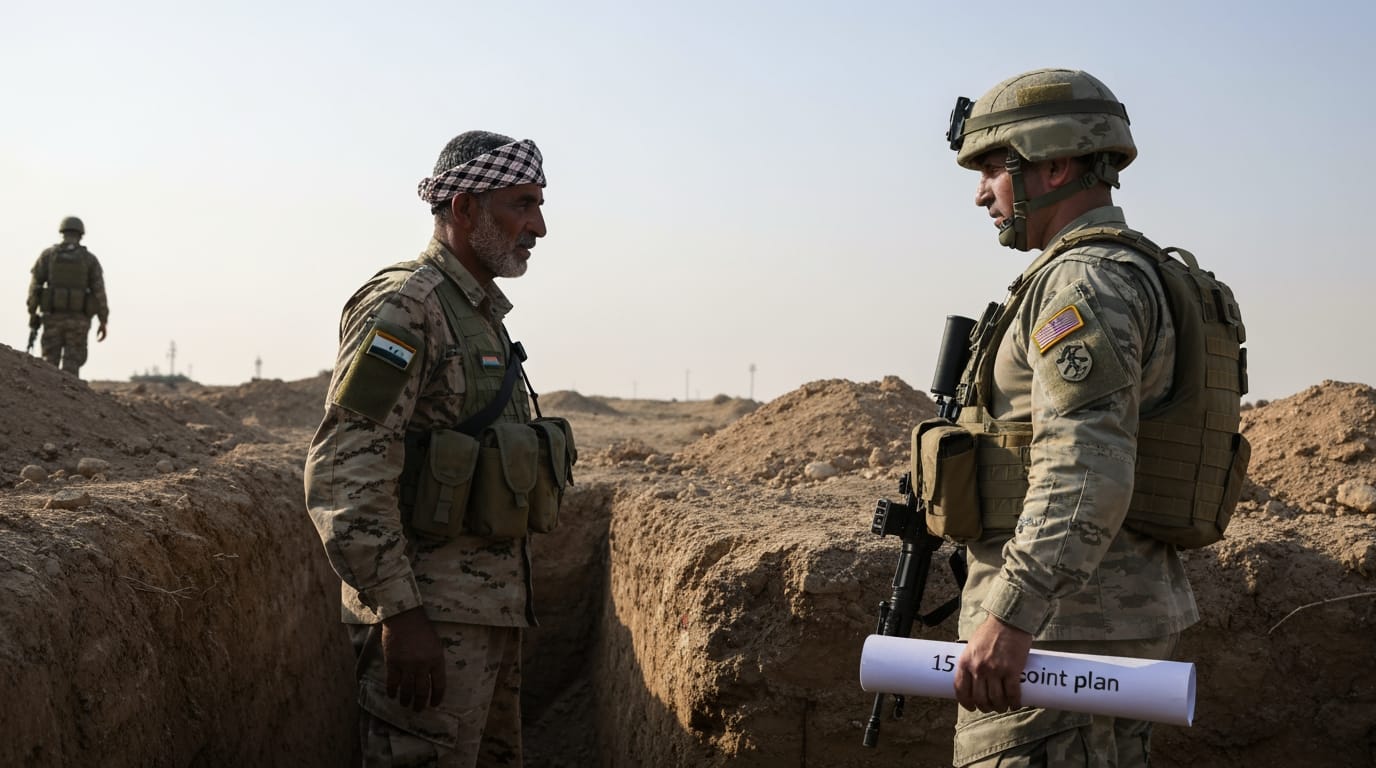
Washington, D.C. – The United States has reportedly extended a comprehensive 15-point peace proposal to Iran, delivered through Pakistani intermediaries, in a bid to de-escalate and ultimately end the escalating "Iran war" gripping the Middle East. This diplomatic overture comes as the region endures its fourth week of intense military engagements, marked by U.S. and Israeli airstrikes on Iranian targets and retaliatory actions by Tehran and its proxies across the Persian Gulf and against Israel. The reported plan outlines stringent conditions for Iran in exchange for significant concessions, reflecting a complex and often contradictory landscape of diplomacy unfolding amidst active conflict.
The precise details of the 15-point plan, though not officially confirmed by Washington or Tehran, have been circulating through media reports citing officials briefed on the diplomacy. At its core, the proposal seeks to dismantle Iran's nuclear program and curb its regional influence. Key demands reportedly include Iran's full abandonment of existing nuclear capabilities, a cessation of uranium enrichment within its borders, and the transfer of all enriched materials to the International Atomic Energy Agency (IAEA). The plan also calls for the closure of pivotal nuclear facilities such as Natanz, Fordow, and Isfahan. Crucially, the U.S. is pressing for Iran to halt its support for regional militias and proxies, a long-standing point of contention, and to ensure the free and open passage through the strategically vital Strait of Hormuz, which has seen significant disruption.
In return for Tehran's adherence to these conditions, the proposed plan offers substantial incentives. These include the lifting of nuclear-related sanctions that have severely impacted Iran's economy and international standing. Additionally, the U.S. reportedly offers support for a civilian nuclear program within Iran and the elimination of the "snapback" mechanism, which allowed for the rapid reimposition of sanctions under previous agreements. This carrot-and-stick approach underscores the Trump administration's stated eagerness to find an "off-ramp" from the current conflict, particularly as it grapples with the economic fallout, including soaring global oil and natural gas prices directly linked to the Strait of Hormuz blockades.
However, the path to peace remains fraught with complications and mixed signals. While President Donald Trump has publicly stated that talks are ongoing and productive, claiming Iran "badly wants to make a deal," Iranian officials have largely denied direct negotiations. A senior Iranian Foreign Ministry official acknowledged receiving "points from the U.S. through mediators" that are currently under review, but Tehran's parliamentary speaker, Mohammad Bagher Ghalibaf, publicly refuted any involvement in talks. This disconnect highlights the deep mistrust that characterizes U.S.-Iran relations, exacerbated by previous instances where U.S. attacks occurred even during periods of diplomatic engagement.
The "Iran war" referenced in the discussions is not a declared, traditional state-on-state conflict but rather a heightened period of military operations and proxy confrontations across the Middle East. For weeks, U.S. and Israeli forces have conducted extensive airstrikes on Iranian targets, including military infrastructure, missile sites, and drone facilities, with U.S. Central Command reporting over 9,000 strikes. Iran, in turn, has launched retaliatory attacks against Israel and Gulf states, while its allied groups like Hezbollah in Lebanon and the Houthi rebels in Yemen continue to engage in hostilities, including attacks on commercial shipping in the Red Sea and ongoing clashes with Israel. The human toll has been significant, with reports indicating over 3,200 casualties in Iran, including more than 200 children, and over 1,000 in Lebanon. The U.S. has concurrently announced the deployment of additional troops, including elements of the 82nd Airborne Division, to the region, underscoring the ongoing military posture.
The role of intermediaries has been critical in facilitating this indirect dialogue. Pakistan has emerged as a central figure, with its army chief, Field Marshal Syed Asim Munir, reportedly serving as a key interlocutor due to his ties with Iran's Islamic Revolutionary Guards Corps. Pakistani Prime Minister Shehbaz Sharif has openly offered his country as a host for potential direct or indirect negotiations. Egypt and Turkey have also reportedly engaged in mediation efforts, reflecting a broader regional and international desire to avert further escalation. However, Israeli political and security circles have expressed concern that any "quick and loose" agreement could fail to address core issues or merely postpone sensitive matters, signaling potential friction among allies.
As diplomacy navigates a volatile landscape of active military operations and profound distrust, the prospects for a comprehensive resolution remain uncertain. The reported 15-point plan represents a significant, albeit indirect, attempt to chart a course toward de-escalation. However, the deep-seated animosities, the conflicting narratives surrounding the talks, and the diverse interests of the many actors involved—from Washington and Tehran to regional powers and proxies—ensure that any path to a lasting peace will be complex and challenging. The international community watches closely as these diplomatic maneuvers unfold against a backdrop of continued conflict, hoping for a breakthrough that could reshape the trajectory of the Middle East.


