U.S., South Korea Drills Abruptly Cut Short After Trump Criticism, Raising Alliance Concerns
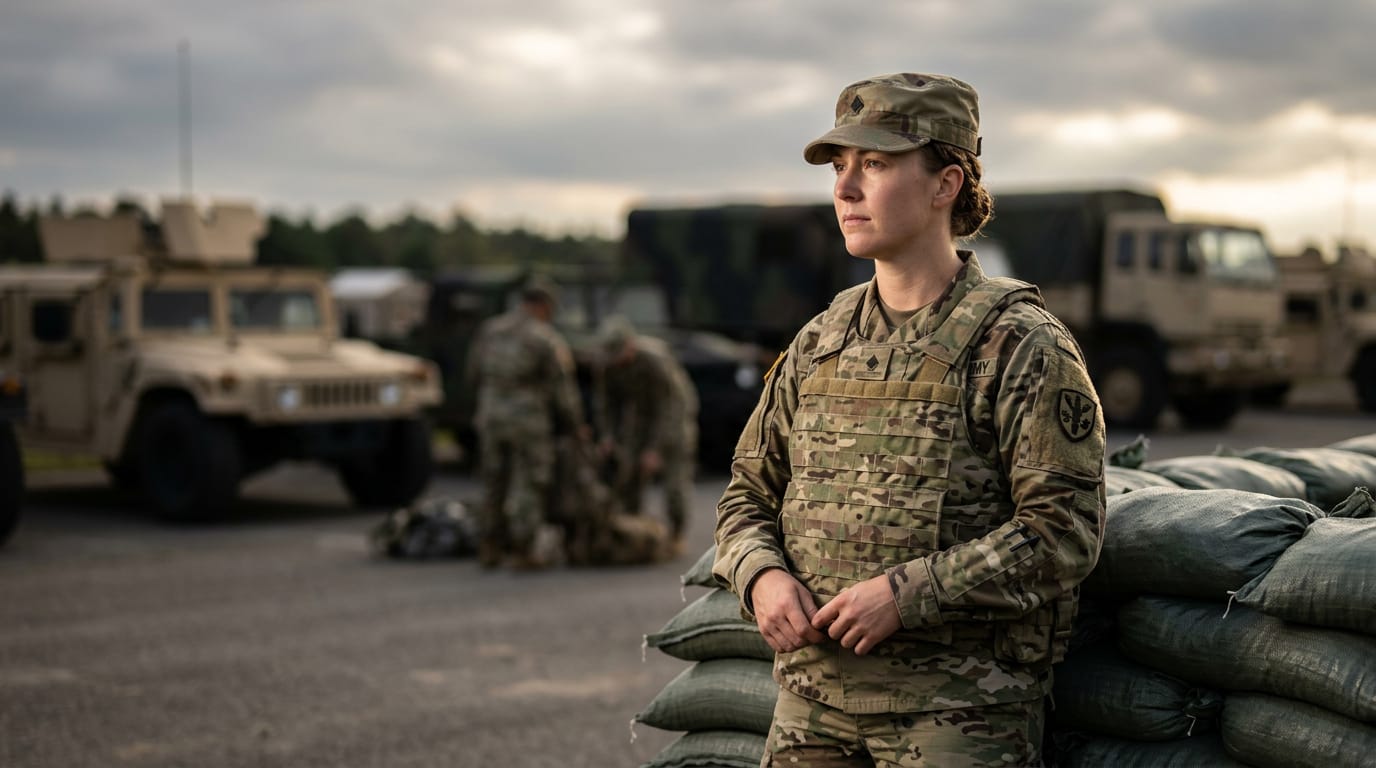
SEOUL, South Korea – Joint military exercises between the United States and South Korea, a cornerstone of their decades-old alliance, have been significantly curtailed this week following a direct order from U.S. President Donald Trump, sparking surprise in Seoul and fueling renewed debate over the future of regional security and Washington's commitment to its allies. The annual Ulchi Freedom Shield exercises, which commenced Monday, will now conclude Friday, nearly a week ahead of schedule, with live-training events substantially reduced or converted to simulations.
This unexpected directive, communicated by President Trump via his Truth Social platform on Sunday, cited the drills as "costly" and sending a "hostile" signal to North Korea, despite ongoing regional tensions and Pyongyang's recent missile activities. While U.S. defense officials maintain that essential readiness objectives will be preserved, the decision has once again cast a spotlight on the delicate balance between diplomatic engagement with North Korea and the traditional military posture designed to deter aggression on the Korean Peninsula.
The Abrupt Curtailment of Ulchi Freedom Shield
The Ulchi Freedom Shield (UFS) exercise, a comprehensive command post exercise designed to enhance the combined defense capabilities of the U.S. and South Korea, began as planned on August 17. However, within days, President Trump announced his dissatisfaction with the drills, instructing Defense Secretary Pete Hegseth to "substantially reduce" them. South Korea's Joint Chiefs of Staff confirmed on Wednesday that the exercises would wrap up on August 21, a week earlier than initially scheduled for August 27. This shortened timeline, requested by the U.S. side, also involves a reduction in associated live-training events, with some being canceled or converted to simulations. A South Korean military official reportedly viewed the decision as "unusual," and Seoul's presidential office indicated it was trying to discern the exact meaning of Trump's comments.
The UFS, a successor to previous large-scale exercises like Ulchi Freedom Guardian, is a critical component of the allies' defense strategy, preparing both militaries for various scenarios, including potential attacks from North Korea. The scale of participation for 2026 included approximately 18,000 South Korean servicemembers, with an unspecified number of U.S. personnel, potentially building on the 3,000 U.S. troops involved in the 2025 iteration. This year's drills were slated to incorporate increased focus on drone warfare, GPS disruption, and cyberattacks, reflecting evolving threats.
Trump's Reiterated Rationale: Cost, Diplomacy, and New Criticisms
President Trump's justification for scaling back the drills echoed previous criticisms he leveled during his first term, primarily focusing on the significant financial burden to the U.S. and the perceived provocation these exercises represent to North Korea. He stated that the drills were "not only costly...but send a signal that is totally inappropriate and hostile" to North Korea, a country he described as "unthreatening and respectful" during his presidency. He also underscored his "very good relationship" with North Korean leader Kim Jong Un as a factor in his decision.
Adding a new dimension to his rationale, Trump also linked the curtailment to South Korea's alleged "refusal to help with the war against Iran," a conflict reportedly launched by the U.S. and Israel in late February. This specific criticism marks a broadening of his concerns beyond inter-Korean relations and alliance costs, tying the drills to broader geopolitical alignments. While the exact cost of such large-scale exercises is often difficult to ascertain due to their integration across various military budgets, a previously canceled Ulchi Freedom Guardian exercise in 2018 was estimated at $14 million. Critics argue that these cost-savings are minimal compared to the overall U.S. defense budget and the strategic value of alliance readiness.
A Pattern of Disruption: Historical Precedents and Alliance Strain
This is not the first time President Trump has intervened in the longstanding tradition of joint military exercises with South Korea. During his initial presidency, he made similar, often abrupt, decisions to suspend or scale back major drills. Following his 2018 Singapore summit with Kim Jong Un, the Ulchi Freedom Guardian exercise was suspended for the first time in 28 years. In 2019, the Key Resolve and Foal Eagle exercises, also large-scale annual drills involving hundreds of thousands of troops, were effectively concluded and replaced by smaller, less visible command post exercises and field training drills.
These exercises, dating back to 1955, are deeply rooted in the 1953 armistice that ended active fighting in the Korean War, which never formally concluded with a peace treaty. Their primary purpose is to ensure the readiness of both forces to defend South Korea against potential aggression, foster interoperability, and provide a credible deterrent. The repeated curtailment of these drills has consistently raised concerns among military officials and analysts about a potential "degradation" in the readiness of U.S. and South Korean troops, impacting their ability to effectively coordinate in a conflict. South Korean officials, reportedly caught off guard by past decisions, have voiced alarm over the potential weakening of the combined defense posture, which they view as a critical pillar of the alliance.
North Korea's Reaction and Regional Repercussions
North Korea has a long history of vehemently denouncing the joint exercises, consistently labeling them as "dress rehearsals for an invasion" and a "most immediate and open threat" to its security. Pyongyang's state media frequently criticizes the drills as "frantic" and "extremely dangerous." While President Trump characterized North Korea as "unthreatening and respectful" during his tenure, Pyongyang has continued its missile tests, including shortly before the current Ulchi Freedom Shield began. The latest curtailment of the drills, therefore, aligns with a long-held North Korean demand for their cessation as a prerequisite for dialogue.
However, the implications extend beyond the Korean Peninsula. Allies in the Indo-Pacific region, already sensitive to shifts in U.S. foreign policy, view such decisions with apprehension. There are concerns that actions perceived as weakening alliance commitments could embolden adversaries and undermine the collective security framework. The balance between diplomatic outreach to North Korea and maintaining robust military readiness remains a contentious issue, with differing perspectives on how best to achieve long-term stability and denuclearization in the region.
Conclusion
The premature conclusion of the Ulchi Freedom Shield exercises in 2026, driven by President Trump's criticisms of cost, perceived hostility to North Korea, and new objections related to the Iran conflict, underscores a recurring tension in U.S. foreign policy. While diplomatic engagement with North Korea is a desirable outcome, the consistent scaling back of joint military drills raises fundamental questions about alliance strength, military readiness, and deterrence in a volatile region. The move has once again highlighted the deep philosophical divides within policymaking circles regarding the optimal approach to security on the Korean Peninsula and the broader Indo-Pacific, leaving allies like South Korea navigating a period of persistent uncertainty about the reliability and consistency of U.S. commitments.