U.S. Strikes Iranian Kharg Island Military Targets Amid Escalating Conflict; Trump Issues Stark Warning
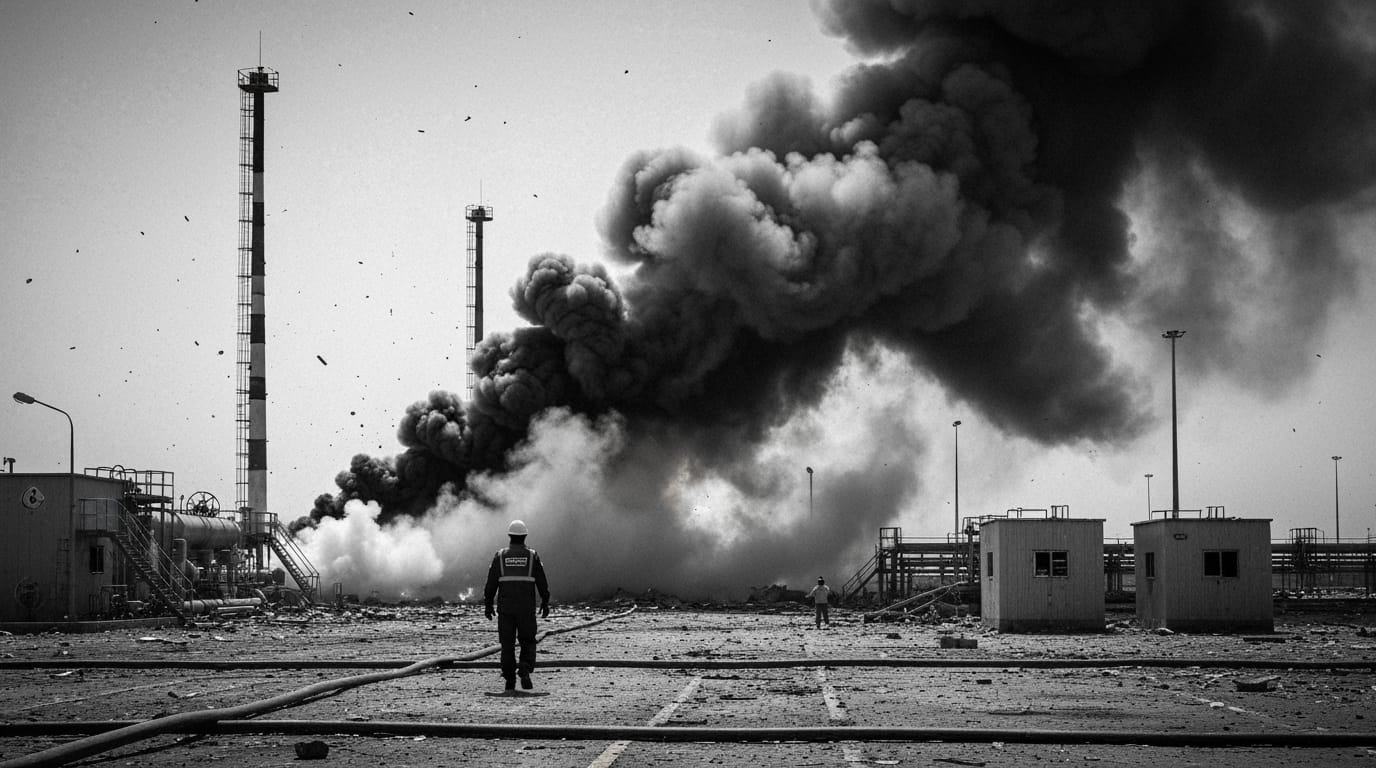
DUBAI, UAE – In a significant escalation of the ongoing conflict in the Middle East, U.S. forces have launched a series of powerful bombing raids against military targets on Iran's critical Kharg Island, a move confirmed by former President Donald Trump. The strikes, which Trump declared "obliterated" every military objective on the strategically vital island, mark a perilous new phase in the nearly two-week-old war between the United States, its allies, and Iran. While the island's crucial oil infrastructure was reportedly spared for now, Trump issued a stern warning that this restraint is contingent on the free passage of ships through the Strait of Hormuz, a waterway currently experiencing severe disruption.
Precision Strikes Target Strategic Iranian Outpost
The U.S. Central Command (CENTCOM) executed the bombing raids on Friday, focusing exclusively on military installations across Kharg Island. Kharg Island, a small landmass in the Persian Gulf approximately 15 miles off the Iranian mainland, serves as the primary terminal through which roughly 90 percent of Iran's oil exports pass. President Trump, announcing the action via social media from his flight to Florida, stated that the U.S. had "totally obliterated every MILITARY target in Iran's crown jewel." He emphasized that, "for reasons of decency," the oil infrastructure on the island had been intentionally left intact. However, this forbearance came with a direct threat: "Should Iran, or anyone else, do anything to interfere with the Free and Safe Passage of Ships through the Strait of Hormuz, I will immediately reconsider this decision." The extent of the destruction at Kharg could not be independently verified immediately following the strikes.
Broader Conflict Rages as Regional Tensions Soar
The attack on Kharg Island unfolds amidst a rapidly deteriorating security situation across the Middle East, nearly two weeks after the outbreak of war between the U.S. and Israel against Iran. The conflict has seen widespread missile and drone attacks by Iran against Israel and neighboring Gulf states, coupled with U.S. and Israeli airstrikes targeting military assets across Iran. The Strait of Hormuz, a critical chokepoint through which a fifth of the world's traded oil passes, has been effectively closed since the conflict began, severely impacting global energy markets. Daily tanker transits have plummeted, with data indicating fewer than 10 vessels per day compared to an average of 84 earlier in 2026. This disruption has already sent crude oil prices soaring, with Brent crude trading near $100 per barrel. The International Energy Agency (IEA) has reportedly coordinated a record 400-million-barrel release from strategic stockpiles to combat "energy-fueled inflation."
Trump's Uncompromising Stance and Military Buildup
President Trump's announcement followed a period of heightened rhetoric, with the former president issuing vague threats of consequences for Iranian leaders. His social media posts underscored a firm resolve, stating, "Iran has NO ability to defend anything that we want to attack — There is nothing they can do about it!" The U.S. military has simultaneously bolstered its presence in the region, with the deployment of 2,500 Marines and an amphibious assault ship to West Asia. This significant addition of forces, including amphibious landing craft, helicopters, F-35 fighter jets, and an infantry battalion, signals a readiness for a wide range of operations, though officials have not confirmed whether a ground operation on Kharg Island is imminent. Prior to the strikes, some analysts had suggested that military action against Kharg Island could lead to oil prices reaching $150 per barrel.
Global Implications and Uncertain Future
The strikes on Kharg Island have intensified global concerns over energy security and regional stability. While military targets were the focus, the proximity of the attacks to Iran's vital oil export facilities underscores the immense economic leverage held by both sides. The Speaker of the Iranian Parliament had warned just a day earlier that a strike on Kharg Island would provoke a "new level of retaliation." Iran's military further threatened that oil and energy infrastructure of firms cooperating with the U.S. would be "immediately destroyed" if Iranian energy facilities were attacked. The conflict has already resulted in a deepening humanitarian crisis in Lebanon, with nearly 800 fatalities and 850,000 displaced persons due to Israeli strikes against Hezbollah. As the war approaches its third week, the targeting of Kharg Island's military capabilities by the U.S. adds a dangerous new dimension to a conflict already reverberating across global markets and civilian populations, leaving the world to watch for Iran's response and the potential for further, unprecedented escalation.


