UAE Charts Independent Course, Exits OPEC Amid Focus on Domestic Priorities
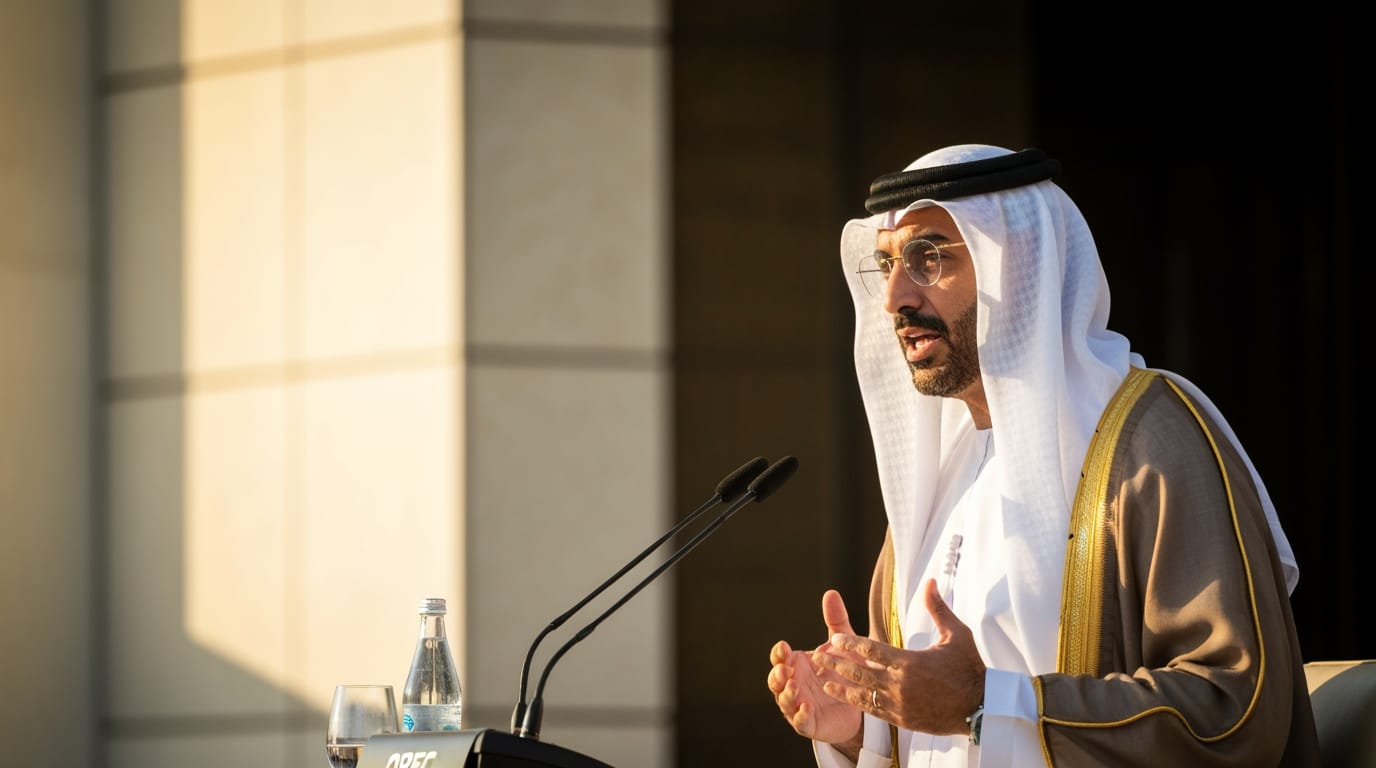
Abu Dhabi, UAE – The United Arab Emirates (UAE) has announced its withdrawal from the Organization of the Petroleum Exporting Countries (OPEC) and the broader OPEC+ alliance, effective May 1, 2026, marking a significant recalibration of its national energy strategy. The decision, revealed on April 28, 2026, underscores the UAE's escalating focus on its long-term economic objectives, including ambitious oil production targets and a robust energy diversification agenda, which have increasingly clashed with the output constraints imposed by the cartel. This move ends nearly six decades of membership and positions the UAE for greater autonomy in navigating a dynamic global energy landscape.
The departure of the UAE, historically OPEC's third-largest producer after Saudi Arabia and Iraq, is poised to have substantial implications for global oil markets and the future cohesion of the influential producer group. Emirati officials indicated that the decision stems from a comprehensive review of its national production policy and capacity, aiming to enhance flexibility and respond more effectively to evolving market dynamics.
A Decades-Long Partnership Concludes
The UAE's relationship with OPEC dates back to 1967 when Abu Dhabi first joined the organization, maintaining its membership following the federation's formation in 1971. For much of this period, the UAE was a cooperative member, contributing to market stability. However, tensions over production quotas have been a recurring theme, intensifying in recent years as the UAE invested heavily to expand its crude oil output capabilities.
Under the OPEC+ agreements, which include non-OPEC allies like Russia, the UAE's actual production was often held significantly below its maximum potential. For instance, in 2024, the UAE was reportedly producing around 3 million barrels per day (bpd) against an installed capacity of approximately 4.85 million bpd. This substantial gap represented lost revenue and a perceived impediment to the nation's economic growth and strategic energy goals. The frustration over these constraints has been building, with reports indicating disagreements over output levels surfacing in past OPEC+ meetings. The exit, therefore, is not an abrupt shift but rather the culmination of a widening strategic divergence.
Driving Force: National Ambition and Diversification
At the heart of the UAE's decision is a clear articulation of national interest and a commitment to maximizing its energy resources while concurrently pursuing ambitious diversification and sustainability agendas. The Abu Dhabi National Oil Company (ADNOC) has aggressively pushed to increase the country's crude oil production capacity to 5 million bpd by 2027, accelerating a target initially set for 2030. This expansion is supported by significant capital expenditures, with ADNOC planning investments of $150 billion between 2023 and 2027. By leaving OPEC, the UAE gains the autonomy to operate its oil fields at full capacity and respond flexibly to global demand, free from the collective production ceilings.
Beyond hydrocarbons, the UAE is a global leader in energy transition initiatives. Its comprehensive UAE Energy Strategy 2050 targets net-zero emissions by 2050 and aims to triple the contribution of renewable energy in its energy mix. The country plans to invest between AED 150-200 billion (approximately $40-54 billion USD) by 2030 to support this transition, focusing on large-scale projects such as the Al Dhafra Solar Project, set to be one of the world's largest, and the Barakah Nuclear Power Plant, the first of its kind in the Arab world. These investments are part of a broader strategy to diversify the economy, with oil and gas currently accounting for roughly 30% of the UAE's economic activity. The newfound flexibility outside OPEC is expected to support these domestic priorities by allowing the UAE to optimize returns from its oil sector to fund its green transition and economic diversification.
Repercussions for OPEC's Authority
The UAE's exit undeniably weakens OPEC's ability to exert influence over global oil markets. As one of the few members with significant spare production capacity, the UAE played a crucial role as a "swing producer," providing a buffer against supply shocks. With its departure, OPEC loses a substantial portion of its collective spare capacity, increasing the reliance on Saudi Arabia as virtually the sole major holder of unutilized output.
Analysts suggest that this move could exacerbate existing internal divisions within OPEC, potentially leading to a more challenging environment for reaching consensus on production policies. While the wider OPEC+ alliance still commands a significant share of global oil output, maintaining cohesion in this expanded group will be critical. The departure could inspire other members to reassess their commitments, further eroding the cartel's collective bargaining power. Some experts view this as a fundamental fracture for OPEC, although the organization has weathered previous departures from smaller members like Qatar, Ecuador, and Angola.
Global Oil Market Reshaped
The immediate impact of the UAE's exit on global oil prices is expected to be limited due to ongoing geopolitical tensions, particularly disruptions around the Strait of Hormuz, which have constrained the UAE's ability to export even at full capacity. The Strait of Hormuz is a critical chokepoint for global oil shipments, and its current state limits how much additional crude the UAE can immediately bring to market.
However, in the medium to long term, the UAE's unfettered ability to increase production could add more supply to the global market, potentially placing downward pressure on oil prices. This increased competition from a major producer could benefit importing nations and consumers. Conversely, some analysts predict that a shift toward more independent, growth-focused energy strategies among producers could lead to increased market volatility, as coordinated supply management gives way to individual national interests.
The UAE's decision also carries geopolitical undertones. It signals a strategic distancing from Saudi Arabia, OPEC's de facto leader, reflecting diverging foreign policy interests and energy philosophies. This move could, paradoxically, reinforce US-UAE relations, as Washington has historically advocated for increased oil production to stabilize prices and welcomed any development that weakens OPEC's market control.
Conclusion
The United Arab Emirates' decision to exit OPEC marks a pivotal moment in the global energy landscape. Driven by a clear national vision to maximize its oil production capacity, accelerate economic diversification, and lead in renewable energy, the UAE is charting a more independent course. While the immediate effects on global oil prices may be muted by ongoing regional instability, the long-term implications are significant. OPEC faces a weakened capacity to manage global supply, potentially ushering in an era of greater market competition and volatility. As the UAE solidifies its position as a proactive and flexible energy player, its actions are set to reshape not only its own economic future but also the dynamics of international energy policy for years to come.


