UAE Economy: Navigating Global Headwinds Amidst Robust Diversification Drive
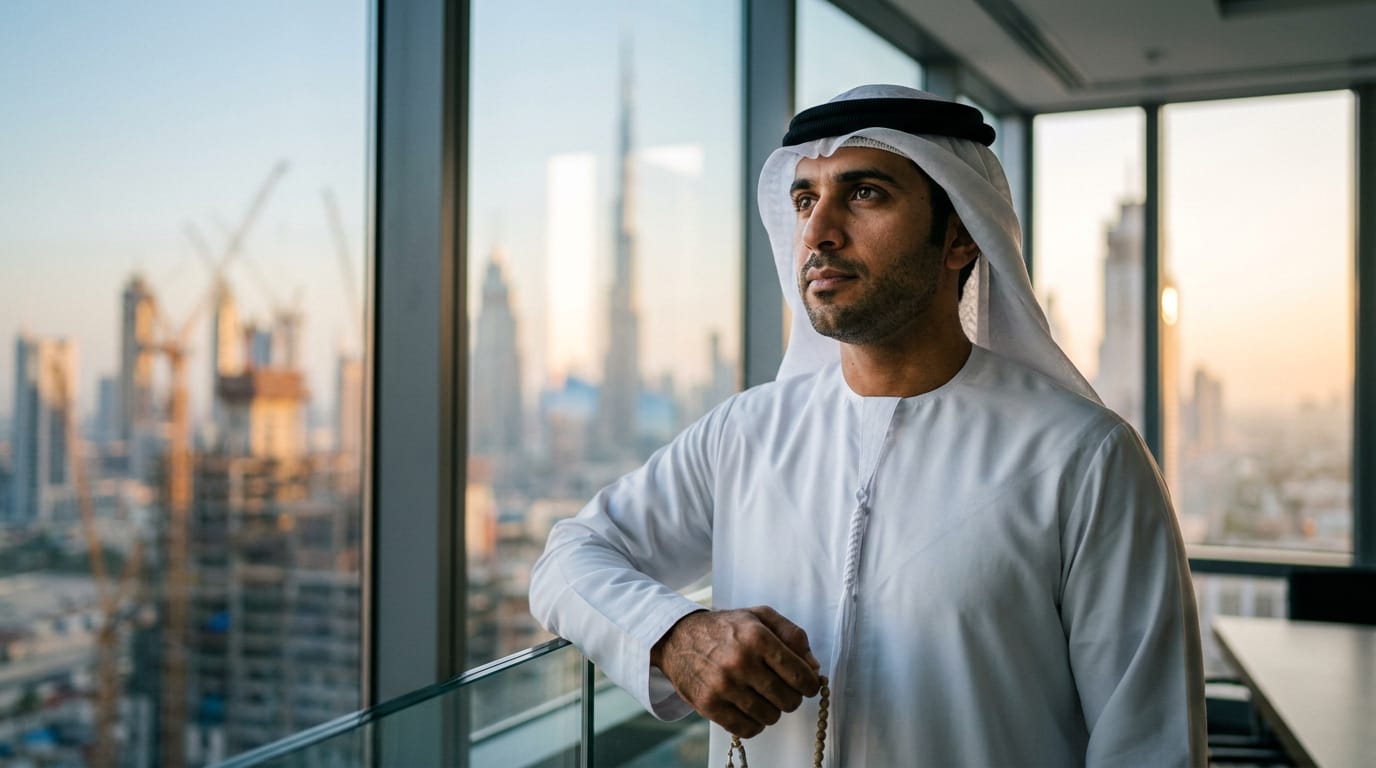
DUBAI – The United Arab Emirates economy stands at a critical juncture, exhibiting strong indicators of recovery and diversification even as it contends with fresh geopolitical uncertainties. While the nation has made remarkable strides in reducing its reliance on hydrocarbons, a recent confluence of regional tensions and their economic ripple effects presents a nuanced picture, prompting close observation of its trajectory. The narrative is one of a dynamic economy proactively charting a course toward sustainable growth, yet keenly aware of external vulnerabilities.
The Diversification Dividend: A Strategic Transformation
For decades, the UAE has strategically steered its economy away from oil dependency, investing heavily in a vision for a knowledge-based, innovation-driven future. This ambitious transformation has yielded significant results, fundamentally reshaping the economic landscape. Non-oil sectors now contribute approximately 70% of the nation's Gross Domestic Product (GDP), a testament to concerted efforts in fostering new engines of growth. The UAE's non-oil trade notably reached $1 trillion in 2025, years ahead of its initial 2031 target, underscoring the success of these diversification initiatives.
The federal and individual Emirate governments have channeled substantial investments into a broad spectrum of industries, including aluminum production, advanced technology, logistics, aviation, re-export commerce, telecommunications, financial services, manufacturing, construction, real estate, and retail. This concerted push has transformed the UAE into a high-income, open-market economy, recognized as one of the world's most dynamic. With an estimated GDP of $552.3 billion in 2024 and projections to exceed $800 billion by 2031 under the "We the UAE 2031" vision, the economic outlook remains largely positive.
Pillars of Prosperity: Investment, Trade, and Global Connectivity
The UAE's economic strength is further bolstered by its strong appeal to international investment and its pivotal role as a global trade hub. In 2024, the nation attracted an impressive $45.6 billion in Foreign Direct Investment (FDI) inflows. This performance positioned the UAE as the top country globally relative to the size of its economy and tenth overall among global FDI recipients, according to fDi Intelligence's Greenfield FDI Performance Index. This influx of capital reflects the UAE's strategic location, pro-business environment, and forward-looking investment policies, reinforcing its status as a global hub for new ventures and innovation.
Beyond capital, the UAE cultivates robust economic partnerships worldwide, exemplified by its strong ties with the United States, which stands as the UAE's top investment destination. The nation consistently ranks highly in global competitiveness indices, including the World Economic Forum's "most-networked countries" list, surpassing many developed nations. This open and welcoming approach to international trade and investment has been a hallmark of the UAE's economic policy, rooted in a history of extensive maritime commerce stretching back centuries.
Geopolitical Crosscurrents and Emerging Headwinds
Despite a prevailing narrative of robust growth and successful diversification, the UAE economy is not immune to external shocks, particularly those stemming from regional geopolitical dynamics. While oil's share of overall GDP has significantly reduced to around 30%, hydrocarbons continue to underpin the economy in the medium term, accounting for over two-thirds of exports and the bulk of government revenue. This enduring, albeit diminished, reliance on the energy sector means that global oil price volatility and regional stability remain critical factors.
Recent developments in the region, specifically concerning the Strait of Hormuz, have introduced fresh economic headwinds. Reports from July 2026 indicate that shipments through the vital waterway have picked up but remain well below pre-conflict levels, while oil and gas production continues to be subdued. Such disruptions impact not only the UAE's direct energy exports but also its broader role as a trading and logistics hub. Compounding these concerns, the regional conflict has reportedly frozen Dubai's housing market, with transactions experiencing a sharper decline than prices. These challenges highlight the delicate balance the UAE must maintain between its ambitious domestic growth agenda and the unpredictable nature of its geopolitical neighborhood. The 2020 economic contraction of 6.1% due to the COVID-19 pandemic also serves as a reminder of how global crises can impact even a diversifying economy.
The Path Forward: Resilience and Vigilance
The UAE's economic journey presents a compelling case study in resilience and strategic foresight. The nation's leadership has proactively championed economic reforms and diversification, building a strong foundation that allows it to absorb and adapt to global and regional shocks. The sustained investment in knowledge-based industries, infrastructure, and human capital continues to drive non-oil sector expansion, fostering an environment conducive to innovation and business growth.
However, the recent geopolitical developments serve as a stark reminder that even the most diversified economies can face unexpected challenges. While the long-term outlook remains overwhelmingly positive, predicated on ambitious national visions and continued investment in the future, the immediate period demands heightened vigilance. The UAE's ability to swiftly adapt its strategies and leverage its deep fiscal reserves will be crucial in navigating these complex currents, ensuring that its path remains firmly set on recovery and sustained prosperity, rather than succumbing to external pressures. The continued focus on attracting foreign investment, fostering a competitive business environment, and expanding its global economic footprint will be paramount as the UAE solidifies its position as a leading global economic player.