UAE Investment in Brazil: Will Favelas Benefit?
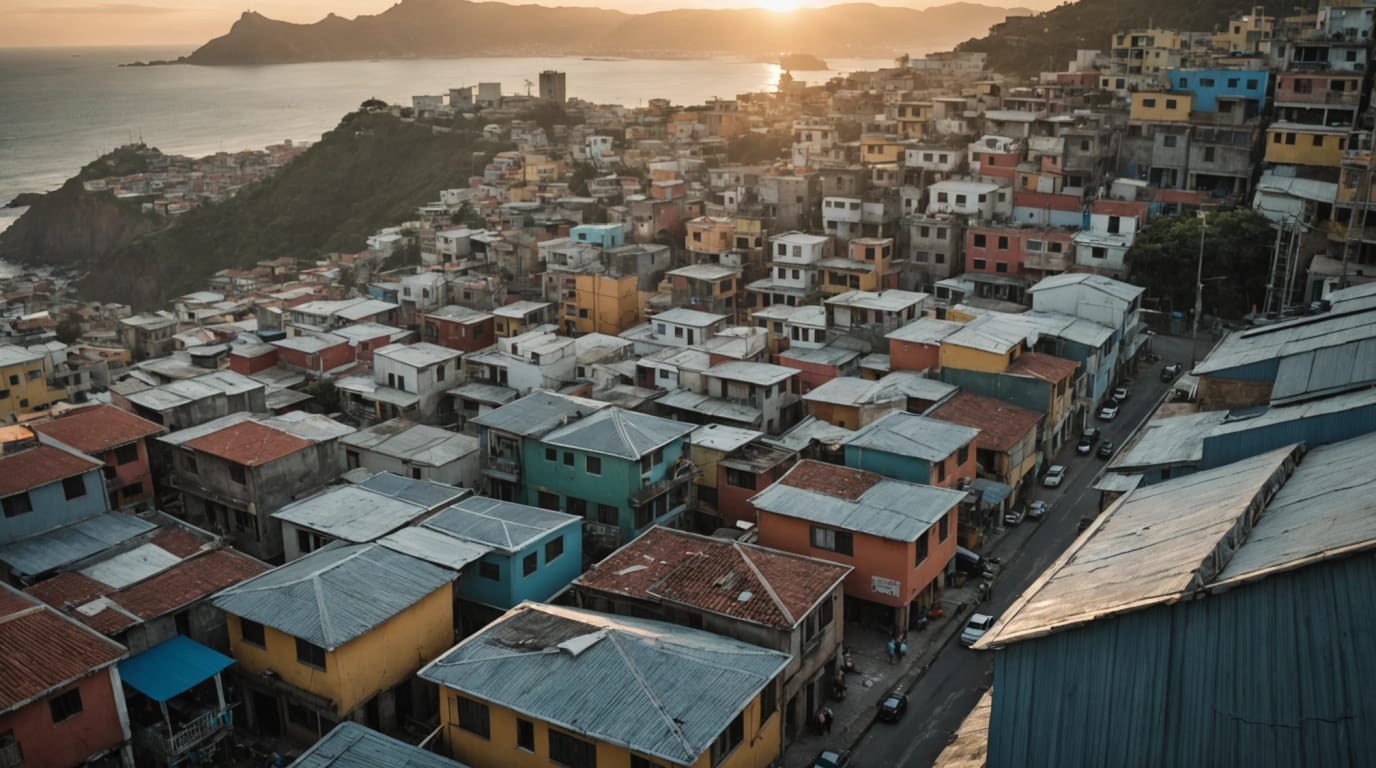
The United Arab Emirates (UAE) has pledged significant investments in Brazil, with a focus on infrastructure and raw materials. While the headline figures are impressive, questions remain about whether these investments will reach Brazil's most vulnerable communities, particularly those living in favelas.
A Substantial Investment
The Abu Dhabi Investment Group (ADIG) has announced plans to invest more than $100 billion in Brazil, signaling a deepening of economic ties between the two nations. This commitment, made during a meeting between Brazilian President Luiz Inácio Lula da Silva and ADIG CEO Zayed bin Aweidha, targets key sectors such as infrastructure, clean energy, oil and gas, and agriculture. A separate partnership between ADIG and Brasilinvest aims to invest $10 billion specifically in infrastructure projects related to Brazilian agribusiness.
The proposed investments are intended for strategic projects across Brazil, particularly in infrastructure and energy. Sectors of focus include technology, aviation, automotive manufacturing, and finance. The UAE's non-oil trade with Brazil reached $4.3 billion in 2022, demonstrating the existing strong economic relationship. The UAE is Brazil's second-largest trade partner in the Middle East.
Favelas in Focus
A portion of the investment, approximately $19 billion, is earmarked for urban redevelopment in the Rio de Janeiro metropolitan area. This ambitious plan includes expanding metro lines, constructing high-speed train networks, and reurbanizing favelas in the Baixada Fluminense and São Gonçalo regions. The goal is to improve housing possibilities and connect these communities better with the city center through improved transportation.
The Baixada Fluminense region, located near Rio de Janeiro, is home to around 3 million people living in slums, often in precarious conditions with limited access to essential services. The proposed modernization aims to restructure and connect these areas with roads, subways, and high-speed trains.
Potential Benefits and Concerns
If realized, the planned investments could bring significant benefits to favela residents. Improved infrastructure could enhance access to jobs, education, and healthcare. Better housing and sanitation could improve living conditions and reduce health risks.
However, there are also concerns about the potential negative impacts of large-scale development projects on favelas. Gentrification, the process of neighborhood change that results in the displacement of lower-income residents, is a significant risk. As favelas become more attractive to investors and middle-class residents, property values and rents may rise, forcing long-time residents to move out.
The pacification of favelas, through the implementation of Pacifying Police Units (UPPs) starting in 2008, has also been linked to gentrification. While the UPP program aimed to reclaim territories controlled by drug traffickers, it also made favelas more attractive to foreign investment, leading to increased property values and rents.
Lessons from the Past
Past attempts to address urban poverty in Brazil have had mixed results. During the 1970s, the government forcibly removed over 100,000 favela residents and placed them in public housing projects or back in rural areas. These eradication programs were widely criticized for disrupting communities and failing to address the root causes of poverty.
More recent initiatives, such as the Favela-Bairro Program launched in 1993, have focused on integrating favelas into the urban fabric through infrastructure improvements and social programs. However, these programs have faced challenges in terms of funding, coordination, and community participation.
Ensuring Equitable Outcomes
To ensure that the UAE's investments benefit favela residents, it is crucial to prioritize community participation and social inclusion. Development projects should be designed in consultation with local residents to ensure that their needs and priorities are taken into account. Measures should be put in place to prevent displacement and protect the rights of vulnerable residents.
Investing in education, job training, and small business development can help favela residents take advantage of new economic opportunities. Social programs that provide access to healthcare, childcare, and other essential services can improve their quality of life.
Several non-governmental organizations (NGOs) are already working to improve conditions in Brazil's favelas. These organizations provide a range of services, including education, healthcare, vocational training, and community development. Supporting these organizations can help ensure that investments reach the people who need them most.
A Maturing Relationship
The UAE and Brazil have a long-standing relationship, with diplomatic ties established in 1974. The UAE has become an increasingly important investor in Brazil, particularly through its sovereign wealth funds. Mubadala, another UAE state-owned investment company, has been investing in Brazil since 2012, with a portfolio that includes infrastructure projects and major companies.
The increasing economic cooperation between the two countries reflects a broader trend towards South-South cooperation and a desire to diversify economic partnerships. Brazil sees the UAE as a key partner in the Middle East, while the UAE views Brazil as a strategic market and investment destination in Latin America.
Conclusion
The UAE's planned investments in Brazil have the potential to bring significant benefits to the country, including its favelas. However, realizing this potential will require careful planning, community participation, and a commitment to social inclusion. By learning from past experiences and prioritizing the needs of vulnerable residents, it is possible to ensure that these investments contribute to a more equitable and sustainable future for all Brazilians. The success of these projects hinges on addressing the risks of gentrification and ensuring that favela residents are empowered to participate in and benefit from the changes taking place in their communities.


