Uganda at a Crossroads: The Enduring Pursuit of Change in the Shadow of a Long-Serving Leader
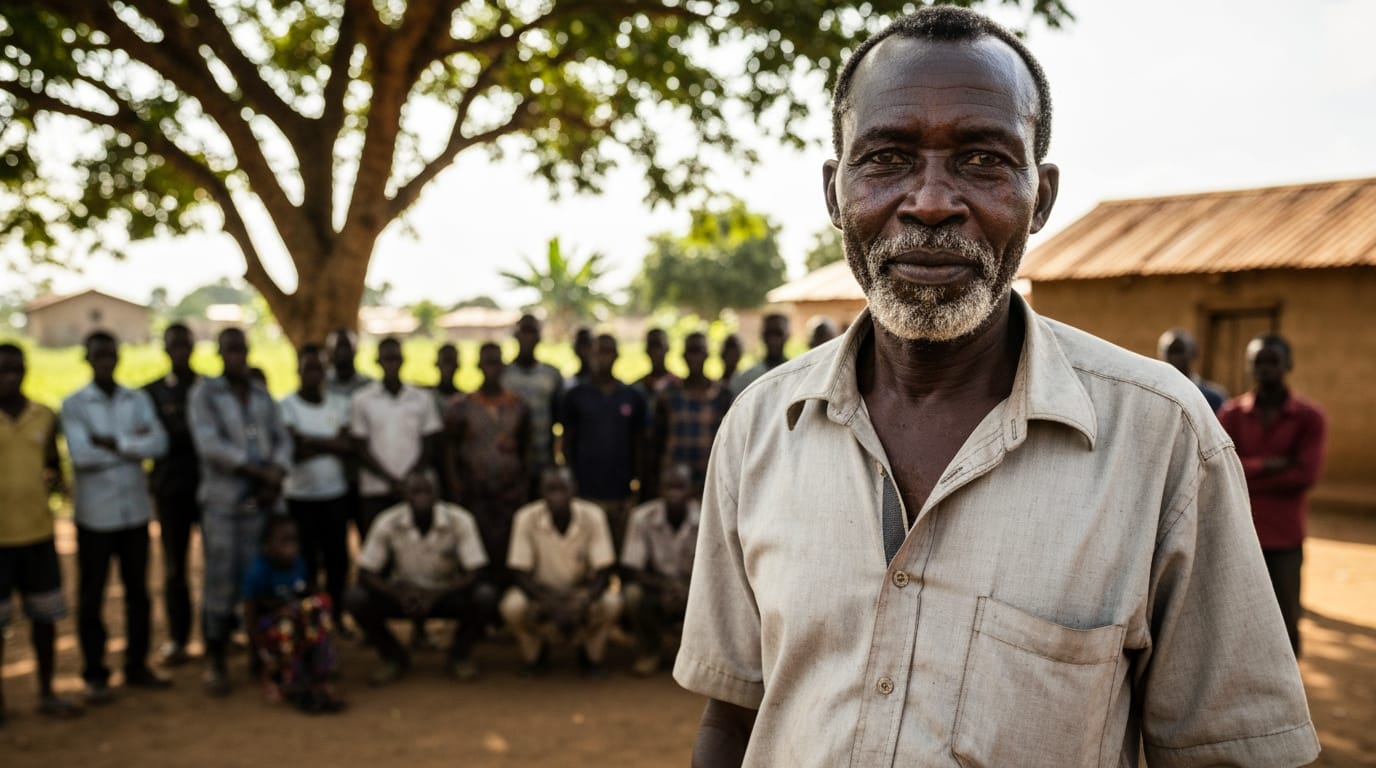
Uganda stands on the cusp of another pivotal election cycle, with the nation grappling with the profound question of whether its long-entrenched political landscape can finally yield to calls for change. At the heart of this dynamic is President Yoweri Museveni, who has governed the East African nation for nearly four decades, and his persistent challenger, Robert Kyagulanyi Ssentamu, popularly known as Bobi Wine. The upcoming January 2026 general elections are poised to be another fiercely contested affair, highlighting the deep divisions between a powerful incumbent and a burgeoning opposition fueled by a youthful, often disenfranchised, population.
The Incumbent's Enduring Grip on Power
President Yoweri Museveni, now 81, first seized power in Uganda in 1986 following a guerrilla war, promising fundamental change and criticizing leaders who overstayed in office. His nearly 40-year tenure has made him Africa's fourth-longest-ruling leader, a period marked by both periods of economic revitalization and increasing accusations of authoritarianism. Museveni has successfully contested six presidential elections, leveraging constitutional amendments that removed presidential term limits in 2005 and age limits in 2017 to prolong his rule.
In the most recent 2021 presidential election, Museveni was declared the winner with 58.64% of the vote, securing his sixth term in office. His ruling National Resistance Movement (NRM) party simultaneously retained a significant two-thirds majority in parliament, solidifying its legislative control. Despite these victories, the electoral processes have frequently drawn criticism, with international observers and opposition parties raising concerns about fairness and transparency. As the 2026 election approaches, Museveni has once again been nominated by his party to seek a seventh term, signaling his intention to extend his leadership into its fifth decade.
The Rising Tide of Opposition: Bobi Wine and the NUP
Challenging Museveni's protracted reign is Robert Kyagulanyi Ssentamu, widely known by his stage name Bobi Wine. The 43-year-old pop star-turned-politician has emerged as a formidable voice for the opposition, leading the National Unity Platform (NUP) party. Wine's political journey began in 2017 when he won a parliamentary by-election, quickly gaining national and international attention for his activism against constitutional changes, such as the removal of presidential age limits, and his criticism of government policies like a social media tax.
In the 2021 presidential contest, Wine was the primary challenger to Museveni, officially securing 34.83% of the vote. His NUP party made significant inroads in the parliamentary elections, becoming the main opposition party with 57 seats, surpassing the long-standing Forum for Democratic Change (FDC). Wine's appeal largely resonates with Uganda's vast youth demographic, with his modest origins and outspoken criticism of social and economic injustices connecting with a population where 40% of voters are under 30. Throughout his political career, Wine has consistently alleged electoral fraud and has faced multiple arrests, detentions, and instances of house arrest, which he and his supporters describe as politically motivated repression.
Electoral Processes and Allegations of Irregularities
Ugandan elections, particularly the 2021 general elections, have been marred by accusations of irregularities and a narrowing of democratic space. The U.S. State Department described the 2021 process as "fundamentally flawed," with concerns including 409 polling stations reporting a 100% voter turnout, which raised questions about the credibility of the results. Africa Elections Watch also reported observed irregularities. International bodies, including the European Union, called for investigations into alleged abuses of power and violence during the election period.
The campaign environment has often been tense, characterized by the heavy-handedness of security forces. During the 2021 election cycle, Bobi Wine faced multiple arrests, and his home was surrounded by security personnel. Furthermore, internet access was shut down across most of the country during the 2021 polls, hindering communication and election monitoring. As Uganda heads into the 2026 elections, concerns persist regarding shrinking civic space, continued crackdowns on the opposition, and the overall credibility of the electoral process. A critical factor in past elections has been low voter turnout, with only 57% of registered voters participating in 2021, a dynamic that analysts suggest can be exploited in alleged rigging schemes.
Socio-Economic Undercurrents and the Youth Factor
Beyond the political contest, deep socio-economic issues form the undercurrent of the calls for change in Uganda. The country has a remarkably young population, with over half its citizens under the age of 30, and approximately 700,000 young people entering the labor market annually. This demographic reality presents a significant challenge in the form of youth unemployment, which stood at 16.1% among those aged 18 to 30 in 2024.
This high rate of youth joblessness, coupled with pervasive income inequality and corruption, is identified as a significant risk factor for political instability. While Uganda's economy has experienced growth, it has not translated into substantial structural changes or broad socioeconomic transformation, leaving a considerable portion of the population in poverty. Many young, urban Ugandans express disillusionment with the perceived inertia of the ruling NRM and the frequent corruption scandals that have plagued the government. Government initiatives aimed at tackling unemployment have, so far, shown limited impact, further fueling a sense of frustration and a desire for a different direction.
An Uncertain Future: Stability Versus Change
Uganda's political trajectory remains a complex interplay of a deeply entrenched leadership and an increasingly vocal, youth-driven demand for change. While President Museveni and the NRM continue to emphasize stability and continuity, the persistent challenges to electoral integrity, coupled with profound socio-economic grievances, cast a long shadow over the nation's future. The question of presidential succession also looms large, with ongoing speculation about Museveni's son, General Muhoozi Kainerugaba, as a potential successor, adding another layer of uncertainty to Uganda's political landscape. As the 2026 elections draw closer, Uganda finds itself at a critical juncture, navigating the tension between its established political order and the growing aspirations for a new era.


