Uganda's Contested Vote: A Shadow of Crackdown and Digital Darkness
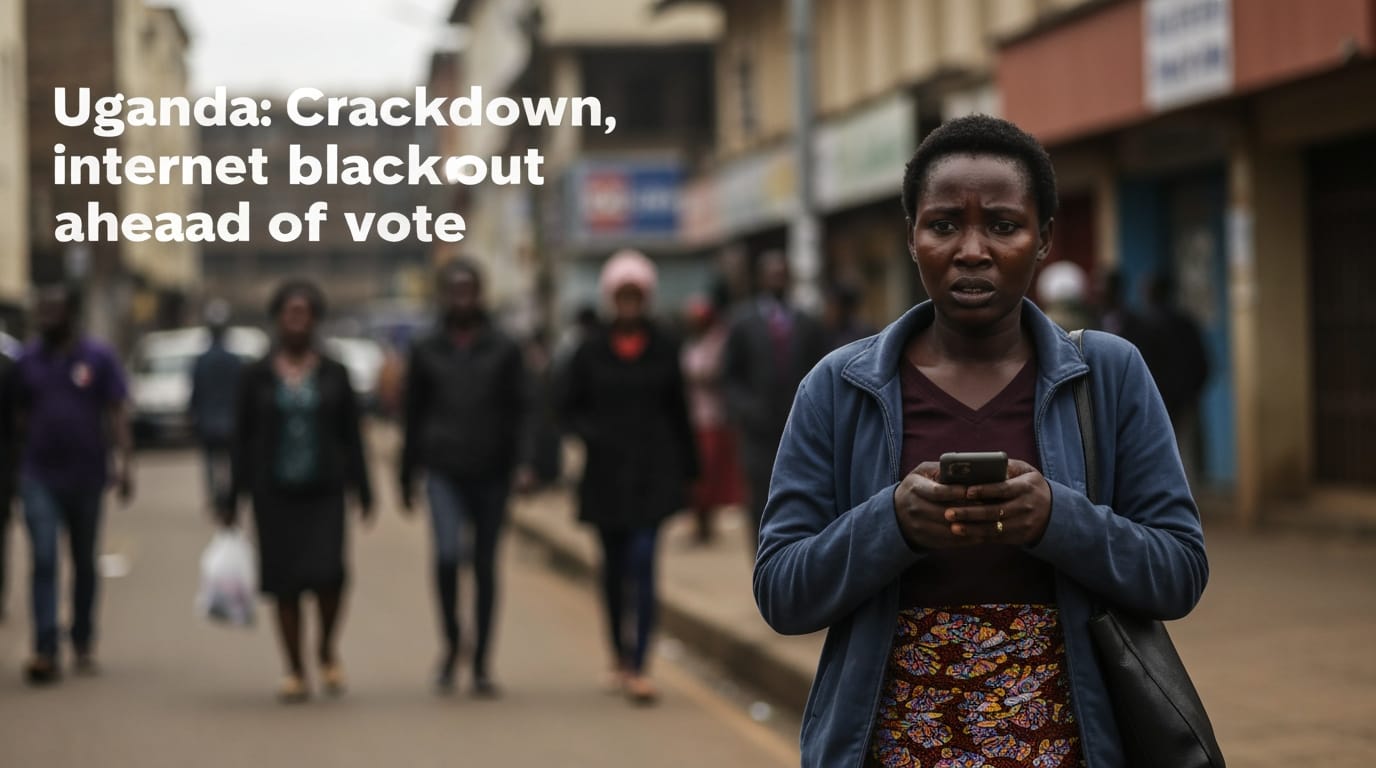
KAMPALA, Uganda – In the days leading up to Uganda's January 14, 2021, general election, the nation found itself cloaked in a pervasive atmosphere of political repression and digital isolation. A sweeping internet blackout, coupled with a severe crackdown on opposition figures and their supporters, cast a long shadow over the electoral process, drawing sharp criticism from human rights advocates and international observers alike. The measures, ostensibly implemented for national security and to combat misinformation, instead fueled concerns about the fairness and transparency of an election where long-serving President Yoweri Museveni sought to extend his decades-long rule against a popular young challenger, Robert Kyagulanyi Ssentamu, known as Bobi Wine.
A Campaign Marred by Suppression
The 2021 election cycle unfolded against a backdrop of escalating tensions and systematic restrictions on civil liberties. Ugandan authorities had intensified their suppression of freedoms of expression and assembly well before polling day, utilizing various tactics to limit the opposition's reach and stifle dissent. Opposition rallies were frequently dispersed, often with excessive force, and government critics, journalists, and opposition members faced arbitrary arrests and detention. Human Rights Watch reported that security forces exploited COVID-19 restrictions as a pretext for beatings, extortion, and arbitrary detentions. Bobi Wine, a musician-turned-politician and the flagbearer for the National Unity Platform (NUP), became a focal point of this crackdown, enduring multiple arrests and disruptions to his campaign. His detention in November 2020, following his certification as a presidential candidate, sparked widespread protests across the country, which were met with brutal force, resulting in at least 54 deaths. The regime also employed legal maneuvering, including stopping voter registration in 2019, which effectively disenfranchised up to one million young Ugandans.
The Descent into Digital Darkness
As election day approached, Uganda plunged into an unprecedented digital blackout. The Uganda Communications Commission (UCC) initially ordered telecommunication companies to suspend social media and online messaging platforms on January 12, 2021. This included major platforms like Facebook, Twitter, WhatsApp, Signal, and Viber. President Museveni publicly defended the social media shutdown, accusing Facebook of "arrogance" and taking sides against his ruling National Resistance Movement (NRM) party, stating that if the platform would "take sides against the [ruling party], then that group will not operate in Uganda." Facebook had, prior to this, removed dozens of pro-government accounts, citing coordinated inauthentic behavior.
The restrictions escalated further on the eve of the election. On January 13, 2021, the UCC instructed internet service providers to suspend all internet gateways until further notice, leading to a near-total nationwide internet blackout from 7 p.m. local time. This blackout lasted for approximately four days, with services gradually being restored by January 18, 2021, though social media access remained restricted for some time thereafter. The economic cost of this four-day shutdown was significant, estimated by TOP10VPN at approximately USh390 billion, placing Uganda among the top five countries globally for economic losses due to internet shutdowns. The disruption severely impacted citizens' ability to communicate, access information, use essential services like mobile money, and monitor the electoral process, thereby undermining the transparency of the vote.
The Iron Fist on the Streets
Beyond the digital realm, the physical crackdown intensified. Reports of arbitrary killings of opposition supporters, forced disappearances, torture, and widespread use of force by security agencies became prevalent. Security forces, including police and military personnel, patrolled the streets, particularly in urban areas like Kampala, and used live ammunition to disperse peaceful assemblies. Opposition members and their supporters were often held incommunicado or placed under house arrest. Bobi Wine himself was placed under effective house arrest for 11 days following the election, with security forces surrounding his home, preventing anyone from entering or leaving. United Nations-appointed independent human rights experts condemned these "brutal policing methods," citing the killing of over 50 people and widespread repression against opposition leaders. They highlighted allegations of extrajudicial killings, arbitrary arrest and detention, enforced disappearance, torture, and ill-treatment, urging authorities to investigate and prosecute all human rights violations.
A Disputed Outcome and Lingering Concerns
The general elections were held on January 14, 2021, and incumbent President Yoweri Museveni was declared the winner with 59% of the vote, securing a sixth term in office. Bobi Wine officially received 35% of the vote. However, Wine immediately rejected the results, calling it "the most fraudulent election in the history of Uganda" and alleging widespread fraud. He claimed to possess video proof of voting fraud, which he intended to share once internet services were restored. The election's legitimacy was further questioned by external bodies. The U.S. State Department described the electoral process as "fundamentally flawed," and Africa Elections Watch noted irregularities. International observers, including the European Union, United Nations, and United States, largely did not monitor the elections after many of their staff were denied accreditation. The East African Community monitoring mission head acknowledged that the internet and social media shutdown made election monitoring difficult. Voter turnout was recorded at 57%, the lowest since Museveni took office.
The Path Forward
The 2021 Ugandan general election, marked by the severe crackdown and nationwide internet blackout, served as a stark example of the challenges to democratic processes in the region. The suppression of opposition, restriction of information, and alleged human rights abuses drew international condemnation and raised serious questions about the integrity of the electoral outcome. While President Museveni secured another term, the events leading up to and during the election left a legacy of deep mistrust and underscored the persistent struggle for political space and fundamental freedoms in Uganda. The pattern of internet shutdowns during elections is not new to Uganda, with similar restrictions imposed in 2016 and concerns raised for future elections, indicating an ongoing challenge for democratic accountability and human rights.


