UK and Nigeria Forge Deeper Ties in Landmark State Visit
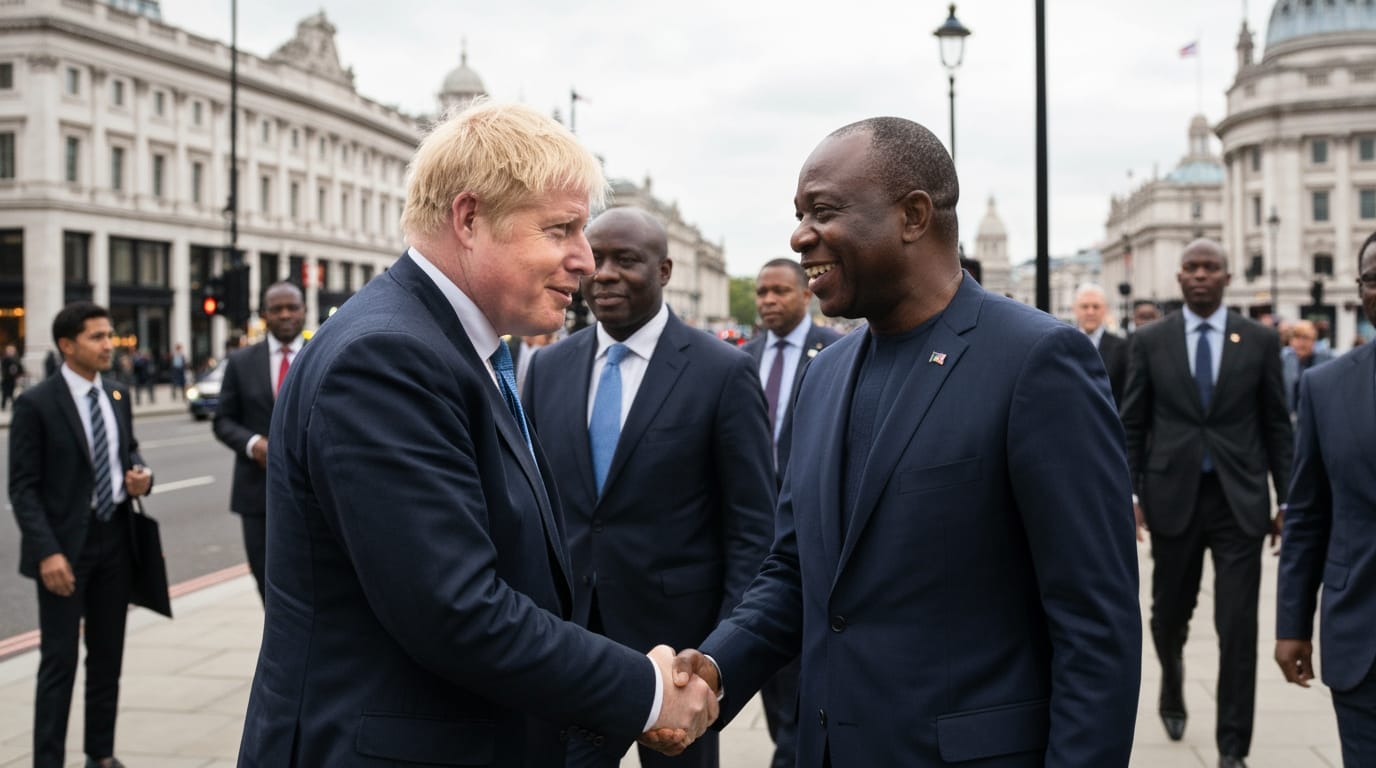
London played host to Nigerian President Bola Tinubu this week in a highly anticipated state visit, signaling a new chapter in the enduring relationship between the United Kingdom and Africa’s most populous nation. The diplomatic engagement, the first state visit by a Nigerian leader in 37 years and the first by a democratically elected Nigerian head of state since 1999, underscored a mutual ambition to fortify economic, security, and cultural bonds amid evolving global dynamics. From high-level discussions on trade and investment to collaborative strategies on security and migration, the visit sought to translate historical ties into concrete, forward-looking partnerships that address contemporary challenges and opportunities for both countries.
A Return to Royal Diplomacy: Ceremonial Significance and Renewed Engagement
President Tinubu, accompanied by First Lady Oluremi Tinubu and a delegation of ministers and governors, was received with full ceremonial honors, hosted by King Charles III and Queen Camilla at Windsor Castle from March 18 to 19, 2026. The elaborate reception, which included a private breakfast with the King and Queen, a wreath-laying ceremony at The Cenotaph, and a state banquet at Windsor Castle, marked a significant moment of diplomatic recognition. This level of engagement, considered the UK's highest form of diplomatic welcome, highlighted the strategic importance London places on its relationship with Nigeria, a key Commonwealth state and regional power in West Africa. Beyond the pomp and pageantry, the visit aimed to operationalize existing frameworks such as the UK-Nigeria Strategic Partnership, signed in November 2024, and the Enhanced Trade and Investment Partnership (ETIP), established in early 2024.
Economic Diplomacy Takes Center Stage: Investment, Trade, and Reforms
A central focus of President Tinubu's visit was economic diplomacy, with significant attention given to attracting foreign direct investment and leveraging trade opportunities. The Nigerian leader actively pitched his administration's macroeconomic reforms, which include fuel subsidy removal, naira devaluation, and tax reform, as measures aimed at creating a more attractive investment climate. These reforms have garnered commendation from global investors and development financiers, who describe them as "credible" and indicative of a renewed investor interest in Nigeria.
A pivotal outcome of the visit was the unlocking of approximately $1.51 billion in investment commitments. Among the most prominent deals was a £746 million ($990 million) export finance package guaranteed by UK Export Finance and arranged by Citibank. This funding is earmarked for the comprehensive redevelopment of two of Nigeria’s vital trading gateways: the Lagos Port Complex and the Tin Can Island Port. The project is projected to boost international trade routes and generate £236 million in supplier contracts for UK firms, including a £70 million contract for British Steel, with a mandate for at least 20% of contracts to be sourced directly from the UK.
Further economic agreements included a $496 million memorandum of understanding between the Nigeria Sovereign Investment Authority and Asset Green Ltd to establish a large-scale integrated dairy production and processing platform, aimed at reducing Nigeria's reliance on dairy imports. Additionally, consumer goods manufacturer Twinings Ovaltine announced plans for a £24 million investment in a new manufacturing facility in Lagos, expected to create over 100 direct jobs and expand exports across West Africa.
The UK also reinforced its commitment to supporting Nigeria's economic stability through broader programs. This includes the launch of two economic reform initiatives worth £12.4 million – the Nigeria Economic Stability and Transformation (NEST) programme and the Nigeria Public Finance Facility (NPFF) – designed to strengthen macroeconomic stability, improve fiscal resilience, and foster private-sector growth. The UK also announced an £18 million UK-Nigeria Growth Programme to enhance the delivery of the Enhanced Trade and Investment Partnership. Total trade between the two nations reached £8.1 billion in 2025, an 11.4% increase from the previous year, with Nigeria currently ranking as the UK's 36th largest trading partner.
Bolstering Security and Streamlining Migration
Security cooperation formed another critical pillar of the discussions between President Tinubu and British officials, including Prime Minister Keir Starmer. Nigeria, grappling with complex terrorism challenges, particularly in the Sahel region, emphasized the crucial role of its partnership with the UK in safeguarding regional stability. Discussions centered on joint efforts to combat terrorism, disrupt terrorism financing, and address regional instability through enhanced intelligence sharing, capacity building, and coordinated operations. The UK has a long-standing security relationship with Nigeria, providing training, intelligence sharing, and support for counter-terrorism efforts, including strengthening Nigeria's National Counter-Terrorism Centre.
Migration policy also featured prominently on the agenda. Both nations finalized agreements to overhaul migration procedures and dismantle criminal networks. In a significant policy shift, the Nigerian government committed to officially recognizing UK letters—identification documents for individuals without valid passports—which is expected to accelerate the removal of those with no legal right to remain in the UK. Further initiatives include collaborative efforts to disrupt gangs exploiting visa routes and a new standardized process to combat forged records and fake job sponsorships. Nigeria also pledged to review its laws to ensure tougher sentencing for immigration offenders.
Broader Implications and Future Outlook
The state visit was not without its broader context and human interest elements. For many Nigerians, both at home and abroad, the visit carried significant expectations regarding tangible improvements in economic conditions and security. While analysts acknowledged the potential for attracting investment and strengthening security cooperation, some in the Nigerian diaspora expressed skepticism about whether the visit would translate into genuine change for ordinary citizens. There was a call for engagement with diaspora organizations to ensure their perspectives are considered.
The visit highlighted the intersection of foreign policy with domestic impact, with many hoping that the diplomatic visibility would yield concrete gains for Nigeria's development. The UK's support for Nigeria's economic reforms and its ongoing security partnership aim to contribute to a more stable and prosperous Nigeria, which in turn benefits regional and global stability. The discussions also extended to cultural cooperation, with events showcasing Nigerian artifacts and celebrating the contributions of Nigerian artists to the global creative industry.
In conclusion, President Tinubu's state visit to the UK marked a pivotal moment in bilateral relations, moving beyond historical ties to forge a modern partnership focused on shared strategic interests. The substantial agreements across trade, investment, security, and migration underscore a mutual commitment to deepening cooperation. While the success of these initiatives will ultimately be measured by their tangible impact on the lives of Nigerians, the visit has undoubtedly reset the diplomatic agenda and laid a robust foundation for future collaboration between the two Commonwealth nations.


