UK Government Takes Emergency Control of British Steel Amid Nationalization Fears
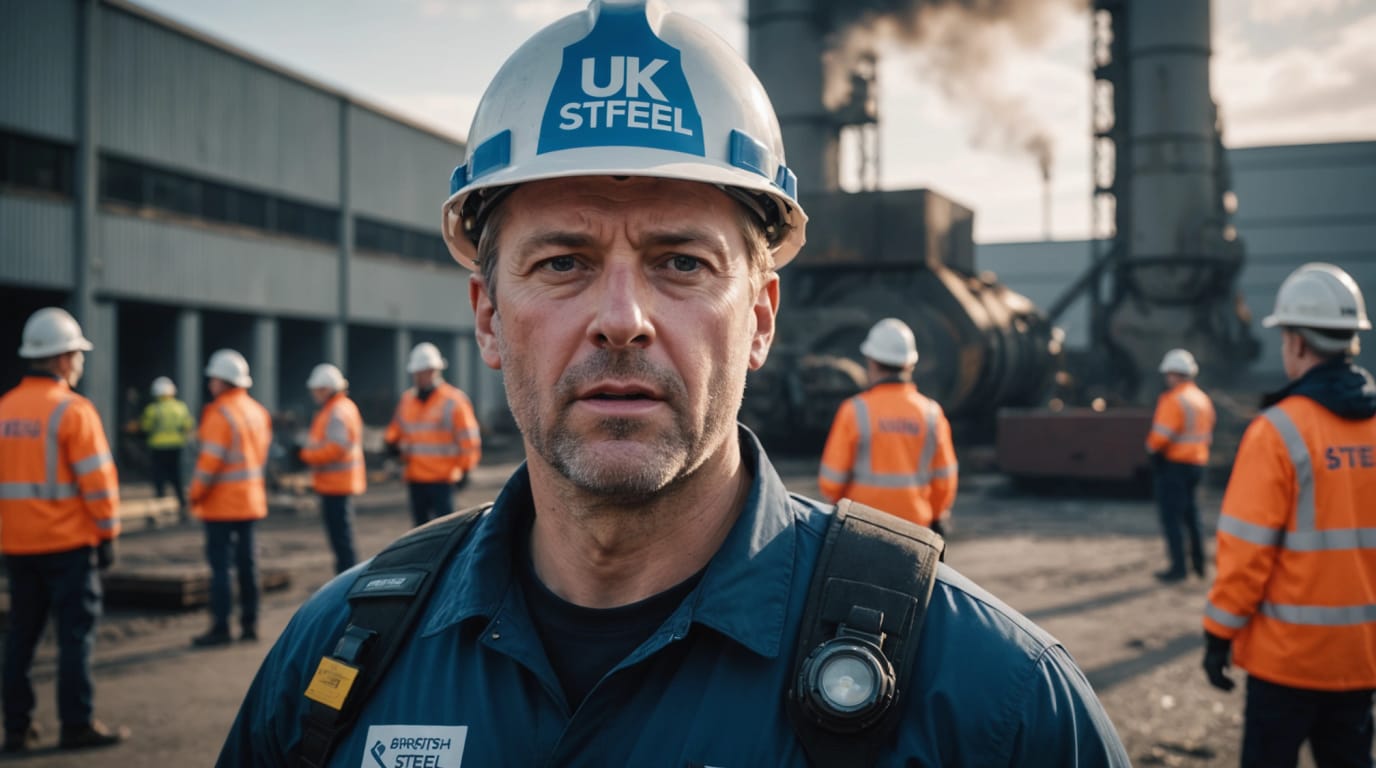
The UK government has taken emergency control of British Steel, marking a dramatic intervention to prevent the imminent closure of the company's Scunthorpe plant. Lawmakers were recalled from their Easter recess for an emergency session of Parliament on Saturday, a rare occurrence last seen during the Falklands War in 1982, to vote on legislation granting the government sweeping powers over the steelmaker. The move comes after the government failed to reach a funding agreement with British Steel's Chinese owner, Jingye Group, raising concerns about the future of the plant and the thousands of jobs it supports.
Averting Imminent Closure
The primary impetus for the government's intervention was the threat of an immediate shutdown of British Steel's blast furnaces in Scunthorpe. The company, which employs 3,500 people at the plant, had been seeking financial assistance to transition to greener steel production methods. However, negotiations with the government broke down, and Jingye Group reportedly cancelled orders for raw materials, raising fears that the furnaces would be forced to close as early as the following week.
Business Minister Jonathan Reynolds told lawmakers that the blast furnaces were operating at a loss of £700,000 ($915,600) a day. The government said it needed to act urgently to avert the closure and allow more time to negotiate a permanent future for British Steel. Closure of the furnaces would leave Britain as the only G7 country unable to produce virgin steel from iron ore, coke and other inputs.
Emergency Legislation and Government Powers
To address the crisis, Parliament passed the Steel Industry (Special Measures) Bill, granting the government the authority to direct the company's board and workforce, ensure employees are paid, and order the raw materials necessary to keep the blast furnaces running. The legislation also empowers the government to use force, if necessary, to take control of British Steel assets and imposes criminal sanctions, including potential jail time, for executives who fail to comply with government orders.
The bill is designed to give the government "the power to direct steel companies in England, which we will use to protect the Scunthorpe site," according to Downing Street. Ministers hope to secure a private partner to open up co-investment options for a transition, but urgent temporary action was seen as necessary to keep the plant running until longer-term plans are agreed.
Nationalization Looms as Likely Outcome
While the government has stated its preference for a private sector solution, Business Minister Jonathan Reynolds conceded that nationalization is becoming an increasingly likely outcome. "A transfer of ownership to the state remains on the table, and it may well at this stage, given the behaviour of the company, be the likely option," Reynolds told lawmakers.
If British Steel were nationalized, it would be the biggest state rescue since a number of banks were taken into government hands in 2008. Labour peer Lord Sikka has argued that nationalizing British Steel should be the long-term outcome, emphasizing the importance of steel for civil and defense industries and the need for self-sufficiency in a world of trade wars.
Historical Context and Challenges
The current crisis at British Steel is not an isolated event but rather the latest chapter in a long history of challenges for the UK steel industry. The industry has faced numerous periods of nationalization, privatization, and restructuring over the past several decades.
British Steel Corporation (BSC) was formed in 1967 through the nationalization of 14 major steel companies. The company was privatized in 1988 and later merged with Dutch steel firm Koninklijke Hoogovens in 1999 to create Corus Group. In 2007, Tata Steel acquired Corus. British Steel has been owned by the Chinese company Jingye Group since 2020.
The UK steel industry has struggled with global competition, outdated facilities, high energy costs, and trade barriers, including U.S. tariffs on steel imports. The government has earmarked £2.5 billion for the steel industry and plans to publish a strategy for the sector in spring 2025.
Political Fallout and Diverging Views
The government's intervention in British Steel has drawn a range of reactions from across the political spectrum. While there is broad support for saving the Scunthorpe plant and protecting jobs, there are differing views on the best way forward.
Nigel Farage, the leader of Reform UK, has called for the full nationalization of British Steel. Plaid Cymru has questioned why the government has not intervened to protect steelworks in Wales in the same way it is acting over Scunthorpe. Some have criticized the government's green policies, arguing that they have made steelmaking more expensive and contributed to the crisis.
Implications for the UK Steel Industry
The government's emergency control of British Steel has significant implications for the UK steel industry. The move underscores the strategic importance of steelmaking to the UK economy and national security. It also highlights the challenges of maintaining a competitive steel industry in a globalized world.
The future of British Steel remains uncertain, but the government's intervention provides a temporary reprieve and an opportunity to explore long-term solutions. The outcome will likely shape the future of the UK steel industry for years to come.


