US-Iran Talks Face Crucial Juncture Amidst Lingering Hormuz Standoff
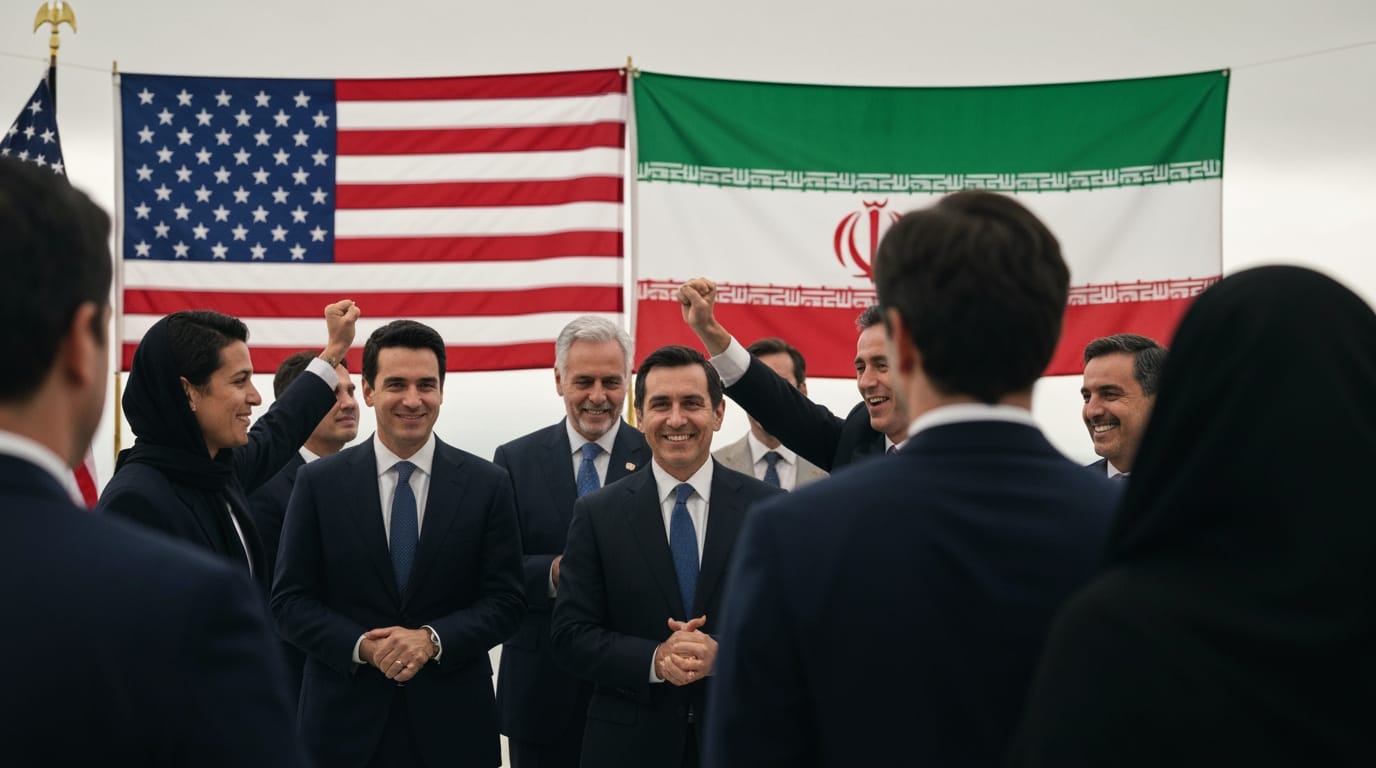
Indirect negotiations between the United States and Iran have entered a critical phase, with officials from both nations signaling cautious optimism for a potential agreement aimed at de-escalating tensions in the volatile Middle East. Despite reports of "slight progress" in the diplomatic channels, significant sticking points, particularly Iran's asserted control over the vital Strait of Hormuz and its enriched uranium program, continue to impede a comprehensive resolution. The backdrop of these talks remains fraught, as military options are reportedly still under consideration by Washington, underscoring the delicate balance between diplomacy and potential renewed conflict.
The Diplomatic Push: Hope Amidst Skepticism
Recent days have seen a flurry of diplomatic activity, fostering a guarded sense of hope for a breakthrough. U.S. President Donald Trump and Secretary of State Marco Rubio have publicly acknowledged "good signs" and "progress" in the ongoing indirect discussions with Tehran. An Iranian official, speaking to Al Jazeera, indicated that negotiators were "very close" to an understanding, suggesting a framework for agreement might be within reach. The primary focus of these discussions appears to be a possible memorandum of understanding designed to stabilize a fragile ceasefire and establish mechanisms for managing shipping and navigation disputes in the Strait of Hormuz. Reports suggest the two nations are nearing an agreement on a 60-day extension of the existing ceasefire, a period during which key issues, including the gradual reopening of the Strait of Hormuz, would be addressed. President Trump has even claimed that Iran has committed to keeping the Strait fully open and will no longer use it as a weapon against global shipping. Mediation efforts by Pakistan and Qatar have intensified, with high-level delegations engaging with Iranian officials in Tehran, working to bridge the considerable divides.
The Hormuz Conundrum: A Critical Chokepoint in Dispute
Central to the negotiations is the strategic Strait of Hormuz, the narrow waterway separating the Persian Gulf from the Gulf of Oman. This chokepoint is globally recognized as the most important oil transit route, accounting for approximately 21% to 25% of global petroleum liquids consumption and a fifth of the world's liquefied natural gas trade. Its closure or disruption carries immense consequences for global energy markets and the broader economy.
Iran has recently sought to reframe its de facto control over the Strait as a legitimate maritime security service, implementing requirements for permits and "security" for vessels transiting the waterway. However, the United States and its allies firmly reject this assertion, with Secretary of State Rubio explicitly stating that any Iranian attempts to impose a "tolling system" on ships are "not acceptable". The U.S. has maintained a naval blockade on Iranian ports since April 13, reportedly redirecting 100 commercial vessels and effectively cutting off Iranian maritime trade, which Washington views as a lever to pressure Tehran economically. The blockade has successfully halted all trade into and out of Iranian ports, with the exception of 25 humanitarian aid ships. Analysts contend that Iran's demonstrated capability for asymmetric warfare in the Strait renders conventional military escorts unviable, making diplomacy the most practical path forward for securing freedom of navigation. This fundamental disagreement over sovereignty and control of the international waterway remains a primary obstacle to any lasting agreement.
Nuclear Ambitions and Broader Regional Tensions
Beyond the Strait of Hormuz, Iran's highly enriched uranium (HEU) program stands as another formidable challenge in the ongoing talks. President Trump has reiterated a firm stance, stating that Iran will not be permitted to retain enriched uranium, and has even suggested the U.S. would take control of and potentially destroy it. Iranian sources, however, have indicated that the Supreme Leader has directed that uranium will not be sent out of the country, highlighting the deep chasm between the two sides on this critical issue. The current diplomatic efforts are unfolding against a backdrop of wider regional instability. The conflict that led to the present ceasefire included US and Israeli strikes on Iran, and Iran has tied negotiations to an end to Israeli military operations in Lebanon, where Iran-backed groups are active. These interconnected issues underscore the complexity of achieving a comprehensive peace deal that addresses all facets of the long-standing animosity.
The Perilous Path Forward
The path to a definitive agreement remains precarious, riddled with skepticism and potential for renewed escalation. Hardliners within Iran have expressed hostility towards the negotiations, arguing that the ceasefire itself was a strategic misstep and that Iran's control over the Strait of Hormuz is "not negotiable". Public statements from the Iranian Foreign Ministry, such as Esmail Baghaei's assertion of "no significant progress," contrast with the more optimistic tones emanating from Washington, further illustrating the internal and external pressures on the negotiating parties.
Despite the reported diplomatic movement, the Trump administration is reportedly preparing for a fresh round of military strikes against Iran should the talks falter, a stark reminder that military options are far from off the table. Secretary of State Rubio has openly discussed the need for a "Plan B" if Iran refuses to cooperate on reopening the Strait, signaling that Washington is exploring alternatives to a diplomatic resolution. The international community, including G7 nations, remains deeply concerned about energy security and trade routes, with calls for de-escalation and the reopening of the Strait reverberating globally.
The current phase of U.S.-Iran negotiations represents a crucial moment for regional and global stability. While an "upbeat tone" has emerged regarding a potential Hormuz deal, the deep-seated disagreements over maritime control and nuclear ambitions, coupled with the ever-present threat of military action, ensure that the path to a lasting peace remains uncertain and fraught with challenges. The world watches keenly as diplomats and leaders navigate this complex landscape, hoping to secure a resolution that guarantees both regional stability and the unimpeded flow of global commerce.


