UK Inquiry: Putin Morally Responsible for Civilian Novichok Death
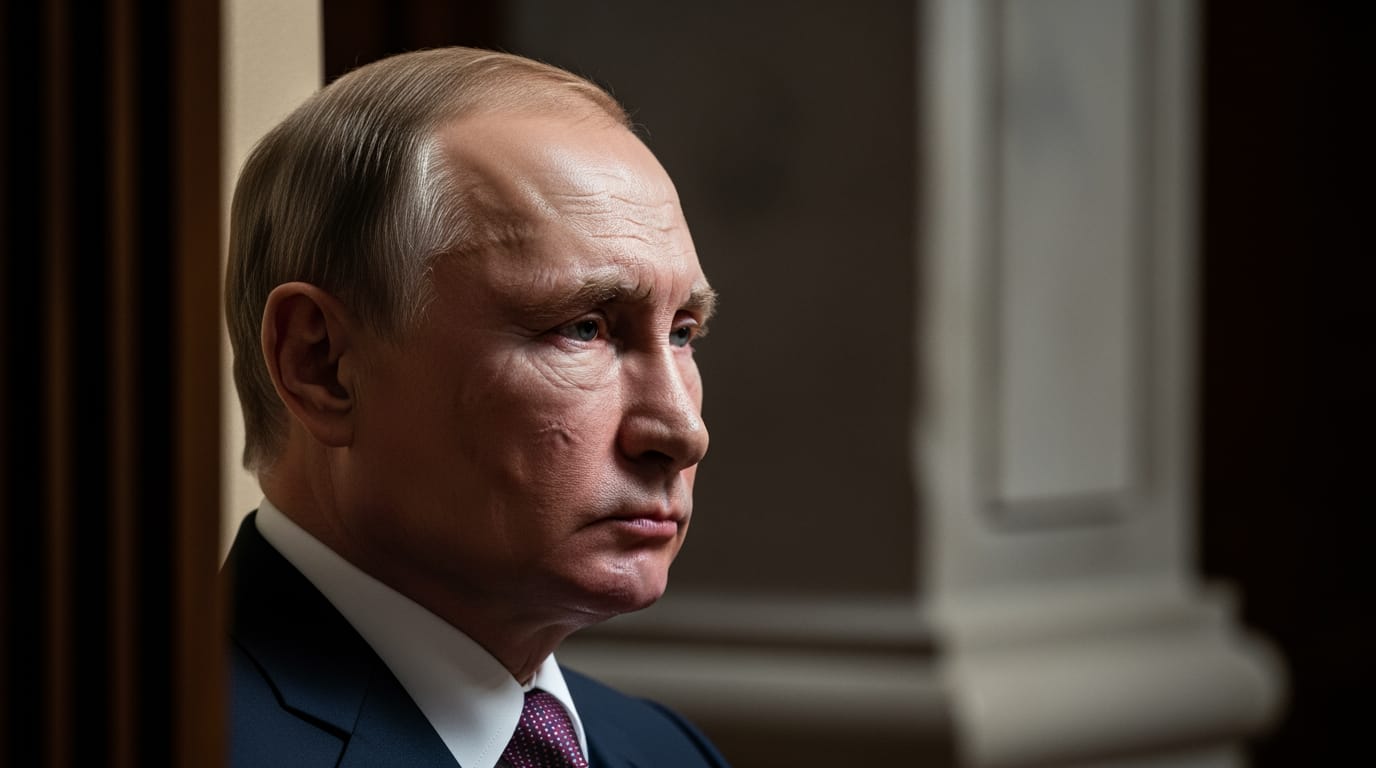
London, UK – A comprehensive British public inquiry has concluded that Russian President Vladimir Putin bears "moral responsibility" for the death of Dawn Sturgess, a British citizen who tragically died after exposure to the Novichok nerve agent in 2018. The damning report, published Thursday, directly attributes the authorization for the initial Novichok attack, which led to Sturgess's death, to the highest levels of the Russian state, explicitly naming President Putin. This finding escalates the UK's long-standing accusations against Moscow, prompting immediate new sanctions and further straining already tense diplomatic relations.
The inquiry's findings underscore the profound human cost of state-sponsored aggression, illustrating how a geopolitical assassination attempt resulted in the death of an innocent bystander. Dawn Sturgess's death, a consequence of what the inquiry deemed an "astonishingly reckless" act, serves as a stark reminder of the indiscriminate dangers posed by the deployment of military-grade chemical weapons in civilian areas.
The Unintended Victim: Dawn Sturgess's Tragic End
Dawn Sturgess, a 44-year-old mother of three, collapsed on June 30, 2018, in Amesbury, Wiltshire, after unwittingly coming into contact with the deadly nerve agent. She had sprayed what she believed to be perfume from a discarded Nina Ricci bottle onto her wrists. Her partner, Charlie Rowley, who found the ornate bottle, also fell severely ill but ultimately survived the exposure. Despite prompt medical attention and intensive care, Sturgess succumbed to the poison eight days later, on July 8, 2018, dying from a catastrophic cardiac arrest and brain injury. The public inquiry was told that the amount of Novichok contained within the discarded bottle was potent enough to "kill thousands" of people. Experts concluded that no medical intervention could have saved her life given the nature of the exposure.
Echoes of Salisbury: The Broader Novichok Attack
Sturgess's death was inextricably linked to a separate, but connected, Novichok poisoning just months earlier. On March 4, 2018, approximately eight miles away in Salisbury, former Russian double agent Sergei Skripal, 66, and his daughter Yulia, 33, were found unconscious on a park bench. Investigators determined that Novichok had been smeared on the doorknob of Sergei Skripal's home, the intended target of the attack. A British police officer, Detective Sergeant Nick Bailey, was also hospitalized after being contaminated during the response to the incident.
The UK government swiftly identified the substance as Novichok, a military-grade nerve agent developed in the Soviet Union, and held Russia responsible for the chemical weapon deployment on British soil. British authorities identified two Russian military intelligence (GRU) agents, Alexander Petrov (an alias for Alexander Mishkin) and Ruslan Boshirov (an alias for Anatoliy Chepiga), as the individuals who transported the nerve agent to the UK. A third GRU officer, Denis Sergeev (known by the alias Sergey Fedotov), was later also implicated. The accused individuals publicly denied involvement, claiming they were merely tourists visiting Salisbury Cathedral. The inquiry concluded that the discarded perfume bottle, which ultimately claimed Sturgess's life, was the same container used in the Skripal attack.
The Inquiry's Unequivocal Conclusion
The public inquiry into Dawn Sturgess's death, chaired by retired Supreme Court judge Lord Anthony Hughes, conducted extensive public and classified hearings over 33 months, costing an estimated £8.3 million. The final report, released on Thursday, delivered a conclusive verdict: the attempted assassination of Sergei Skripal "must have been authorised at the highest level, by President Putin."
Lord Hughes explicitly stated that the actions of the GRU agents and those who authorized the mission, including President Putin, were "astonishingly reckless." He unequivocally concluded, "They, and only they, bear moral responsibility for Dawn's death." The report further emphasized that deploying such a highly toxic nerve agent in a populated urban area carried an "entirely foreseeable" risk of harming innocent civilians, a risk dramatically amplified by discarding the Novichok in a perfume bottle.
UK's Firm Stance and International Fallout
In response to the inquiry's findings, the British government swiftly announced new punitive measures. The UK sanctioned Russia's intelligence service, the GRU, "in its entirety," signaling a direct condemnation of Moscow's state apparatus. The Russian ambassador was summoned to the Foreign Office to answer for what London termed Moscow's "ongoing campaign of hostile activity" against the United Kingdom.
Prime Minister Keir Starmer issued a statement, asserting that the inquiry's conclusions were a "grave reminder of the Kremlin's disregard for innocent lives." He added, "Dawn's needless death was a tragedy and will forever be a reminder of Russia's reckless aggression." Foreign Secretary Yvette Cooper reinforced this strong stance, warning that President Putin and his agents constitute "an active threat to Britain's citizens, our security and our prosperity."
In a predictable counter-response, Russia's Foreign Ministry rejected the findings and the imposed sanctions, stating that Moscow "does not recognize illegitimate sanctions which are imposed under trumped-up pretexts" and reserved the right to retaliate. The initial Novichok attack in 2018 had already triggered a significant diplomatic crisis, leading to the largest coordinated expulsion of Russian diplomats by Western nations in decades.
A Call for Accountability
The definitive conclusions of the public inquiry provide a measure of clarity and formal accountability for the death of Dawn Sturgess. Her family, while acknowledging that the report offered some answers, expressed that certain questions remained. The findings reinforce the narrative that the reckless actions of a state, operating with impunity, can have devastating and indiscriminate consequences for ordinary citizens. The UK's unwavering commitment to identifying and sanctioning those responsible underscores the gravity of deploying chemical weapons and the broader implications for international law and state sovereignty. The diplomatic standoff between London and Moscow, exacerbated by these findings, illustrates the enduring and severe repercussions of the Novichok attacks on global relations.


