UK Prime Minister Keir Starmer Announces Resignation, Triggering Leadership Race
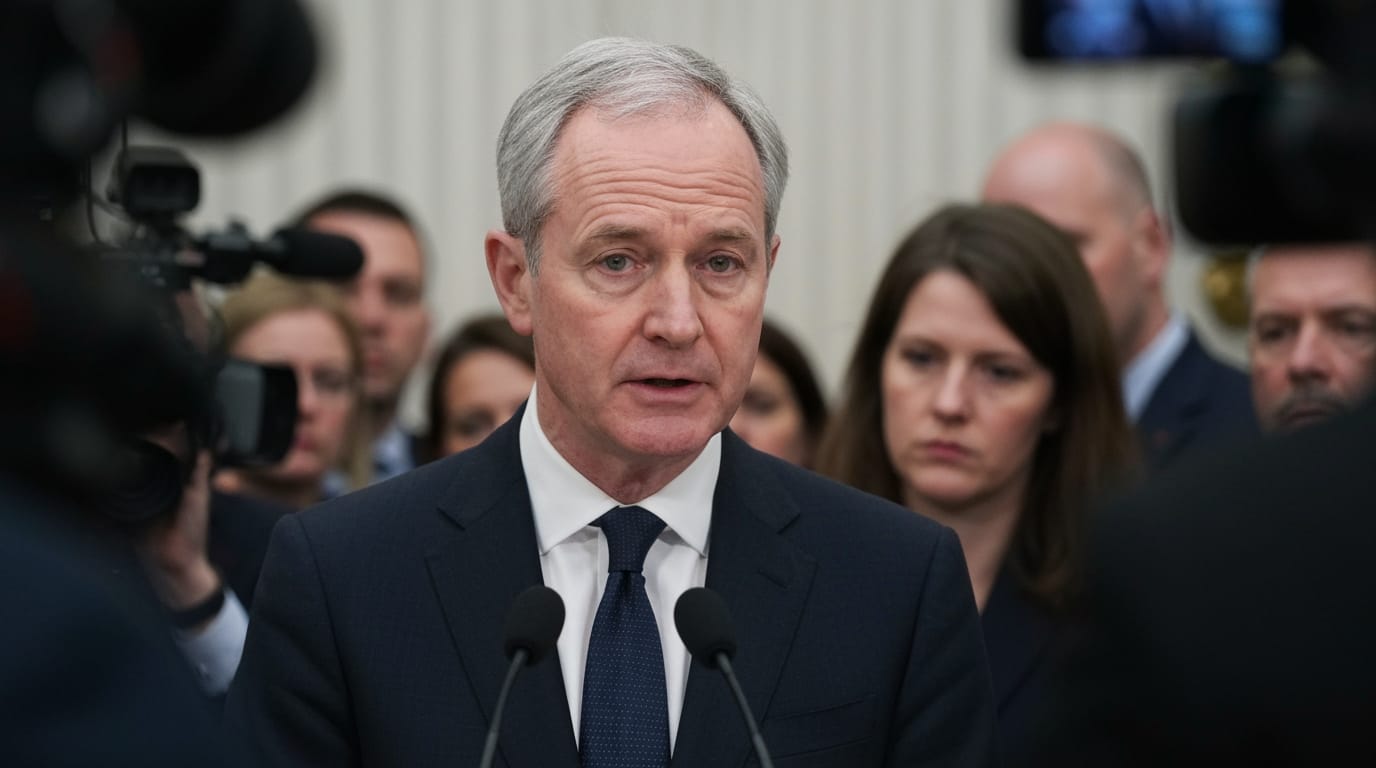
LONDON – In a dramatic turn of events that sent shockwaves through Westminster and across the United Kingdom, Prime Minister Keir Starmer today announced his intention to resign from his position, effective by the end of September. The unexpected announcement, made from Downing Street on Monday, June 22, 2026, initiates a leadership contest within the Labour Party and plunges British politics into a fresh period of uncertainty. Starmer indicated he would step down as Labour party leader, paving the way for a successor to be in place before the party's annual conference later this autumn.
The resignation follows a period of intense pressure on the Prime Minister, marked by significantly declining public trust, faltering approval ratings, and mounting internal dissent within his party. Starmer’s departure will mean Britain is set to see its seventh leader in less than a decade, underscoring a turbulent era in the nation’s political landscape. The move has immediately ignited speculation about who will next occupy Number 10, with Greater Manchester Mayor Andy Burnham emerging as a prominent figure widely expected to contend for the Labour leadership.
The Announcement and Interim Period
Speaking outside the iconic black door of Downing Street, Keir Starmer confirmed his decision to step aside, signaling an end to his premiership. While the immediate resignation as party leader was clear, Starmer articulated a plan to remain in office until late September. This timeline is reportedly designed to allow for a smooth transition and enable the new leader to consolidate their position and rally the party ahead of the crucial annual conference. Sources within the government suggested this arrangement would provide the incoming leader, particularly if it were someone like Andy Burnham, ample time to assemble a team ready to take on the immense responsibilities of Downing Street.
The decision comes after a weekend of intense deliberation, during which Starmer reportedly discussed his future with his wife at the Chequers country residence. High-ranking Labour Party officials had anticipated a definitive statement on his future by Monday, following earlier reports suggesting his resignation was imminent. The news has brought to a head months of growing dissatisfaction and pressure that have culminated in this pivotal moment for British politics.
A Premiership Under Siege: The Road to Resignation
Starmer's decision to resign was the culmination of a confluence of political headwinds that had severely weakened his position. Public trust in his leadership had eroded significantly, with his personal approval ratings plummeting to what have been described as historical lows among British political figures. This decline was attributed to a perception that he had failed to deliver on promises of improving living conditions for the British populace. Critics noted that his support base had fragmented, with a substantial portion of the left believing he was not sufficiently progressive, the political center feeling that life had not improved under his stewardship, and the right maintaining their traditional opposition to Labour.
A brutal round of local elections preceding his announcement further underscored the party's struggles and intensified the calls for his resignation. Adding to the internal pressure, more than a quarter of Labour's Members of Parliament—over 100 MPs—had reportedly demanded his departure. The situation became dramatically untenable with the return of Greater Manchester Mayor Andy Burnham to Westminster, following a convincing victory in a parliamentary election. Burnham's success reportedly inspired many Labour MPs, who began to view him as an experienced politician with strong communication skills capable of restoring the party's fortunes and public support. Starmer's previous assertion that he was ready to face any leadership challenge now appears to have been overtaken by the weight of these internal and external pressures.
Starmer's Tenure: Policy and Political Realities
Keir Starmer assumed the role of Prime Minister at a challenging time for the United Kingdom. His ascent to power, following what many analysts described as a general election where voters were more focused on ending 14 years of Conservative governance rather than enthusiastically endorsing Labour, meant his mandate was viewed by some as fragile from the outset. During his leadership of the Labour Party, and subsequently as Prime Minister, Starmer faced accusations of having adopted a "soft left" or "continuity Corbyn" persona to win the party leadership, only to subsequently backtrack on many of those pledges.
Internationally, Starmer's government took a firm stance against Russia. He was a consistent and vocal opponent of Russia's "shadow fleet" and significantly ramped up sanctions against the nation. This policy was noted for exacerbating Russia's economic problems, demonstrating a clear foreign policy direction under his premiership. Domestically, however, the UK grappled with significant social turmoil. Issues such as migration, inadequacies in public services, and systemic failures contributed to a pervasive sense of public anger and a demand for change. Just weeks before Starmer's resignation, British Defense Minister John Healy also resigned on June 11 amid a dispute over military spending, signaling further internal rifts within the government.
The Looming Leadership Battle
With Starmer's resignation, the Labour Party now faces the critical task of selecting a new leader to navigate these turbulent waters. Andy Burnham, a well-known figure with a strong regional mandate and recent parliamentary victory, is widely seen as the frontrunner. His proven communication skills and perceived ability to unite diverse factions within the party are considered significant assets. The leadership contest is expected to be closely watched, not just by Labour members but by the entire nation, as the new leader will inherit a complex set of challenges.
The process of choosing a successor is anticipated to culminate before or during the Labour Party's annual conference in late September. This timing aims to provide the new leader with a platform to galvanize support and outline a fresh vision for the party and the country. The stability of the next Labour leader will be crucial for a nation that has experienced considerable political flux in recent years.
Conclusion: A Nation at a Crossroads
Keir Starmer's resignation marks a significant inflection point for the Labour Party and the United Kingdom. His premiership, though relatively brief, was characterized by an attempt to navigate a deeply divided political landscape and address pressing domestic and international issues. The immediate focus now shifts to the impending leadership contest and the selection of a new individual tasked with uniting the Labour Party and offering a compelling vision to a populace hungry for stability and effective governance. As the UK faces ongoing social turmoil, economic pressures, and international complexities, the next leader will confront immense challenges, with the nation's political trajectory hanging in the balance. The high turnover of prime ministers in recent years underscores a broader pattern of political instability, making the upcoming leadership decision all the more critical for the future direction of the country.


