Ukraine and Russia Weigh Ceasefire Amid Shifting Geopolitical Landscape
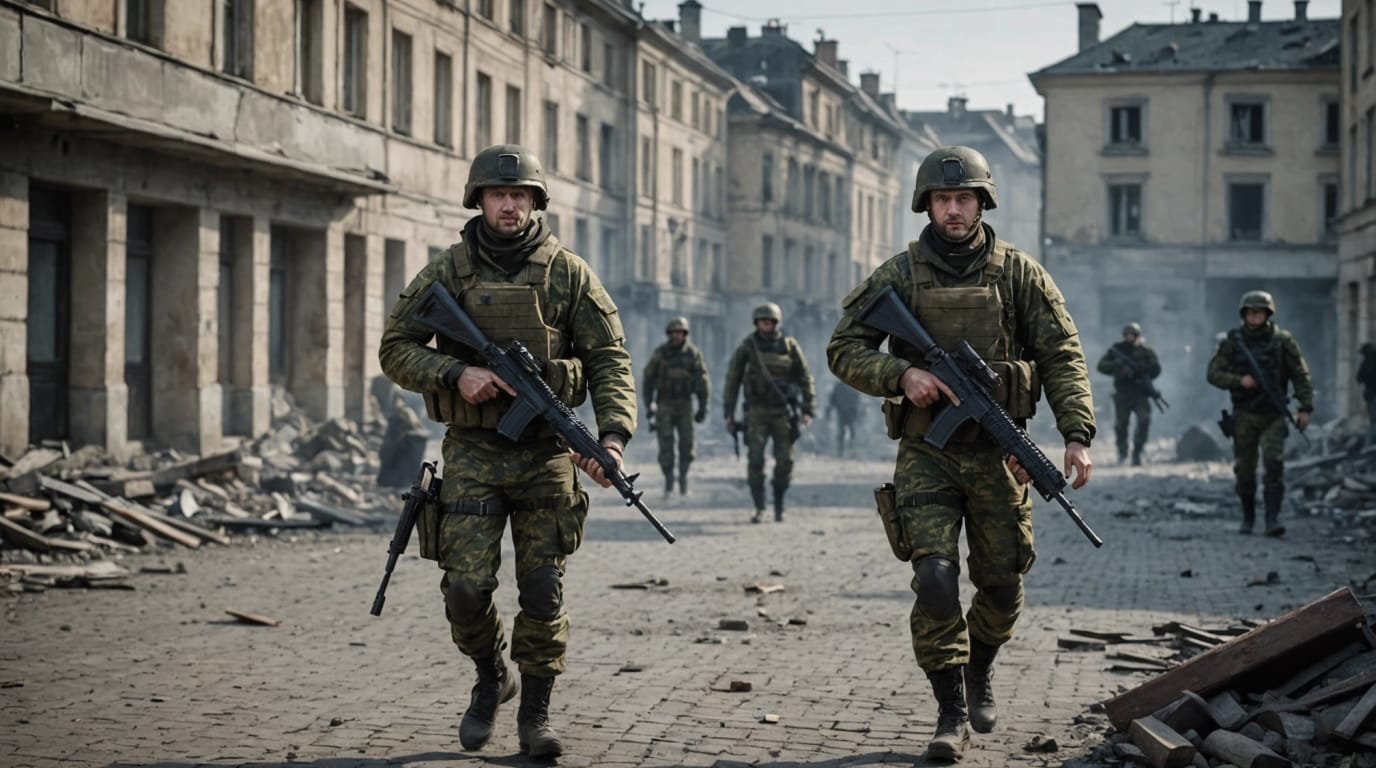
After more than three years of intense conflict, a potential turning point has emerged in the war between Ukraine and Russia. A U.S.-brokered proposal for a 30-day ceasefire has been tentatively accepted by Ukraine, but faces a skeptical Russia, raising questions about the future of the war and the broader geopolitical implications.
The Ceasefire Proposal
The proposed ceasefire, hammered out during eight hours of negotiations in Jeddah, Saudi Arabia, between U.S. and Ukrainian delegations, calls for an immediate cessation of hostilities for a period of 30 days. This truce could be extended by mutual agreement. In return for Ukraine's agreement, the United States has agreed to resume intelligence sharing and military aid to Ukraine, which had been paused following a contentious meeting between President Donald Trump and Ukrainian President Volodymyr Zelenskyy in late February. The U.S. aims to communicate to Russia that reciprocity is the key to achieving peace.
The terms of the proposal also address humanitarian concerns, including provisions for the exchange of prisoners of war, the release of civilian detainees, and the return of forcibly transferred Ukrainian children. Both the U.S. and Ukraine have pledged to appoint negotiating teams to begin discussions on the terms of a lasting peace.
Russia's Response: Conditions and Concerns
While publicly stating that Russia agrees with proposals to halt military action, President Vladimir Putin has introduced a series of conditions and concerns that cast doubt on the likelihood of an immediate breakthrough. Putin stated that any ceasefire must lead to a long-term peace that addresses the "root causes" of the conflict.
These "root causes," according to Russia, include a series of grievances related to Ukraine's alignment with the West, its potential membership in NATO, and the status of Russian-occupied territories. Russia insists that any deal must include international recognition of its annexation of Crimea and other seized territories, guarantees that Ukraine will not join NATO, and pledges that European peacekeepers will not be deployed to Ukraine.
Putin also questioned the purpose of a 30-day ceasefire, speculating whether Ukraine would use the time to mobilize and rearm its forces. He raised concerns about who would oversee the truce along the extensive front line.
Shifting Battlefield Dynamics
The backdrop to these diplomatic efforts is a fluid and complex military situation on the ground. While the conflict has largely been confined to eastern and southern Ukraine, recent developments indicate a potential shift in momentum.
Russian forces have intensified their offensive in the Kursk region, aiming to dislodge Ukrainian troops from the territory. Some reports suggest that Russian forces have retaken Sudzha, a key stronghold previously captured by Ukrainian forces during a cross-border incursion in August 2024.
Ukraine, on the other hand, has continued to conduct drone attacks on Russian ships and military vehicles. In early August 2024, Ukraine launched the Kursk Offensive, a surprise incursion into Russia’s Kursk Oblast, capturing 1,250 square kilometers of Russian territory. However, progress stalled as Russia deployed over 50,000 troops to counter the attack.
International Involvement and Perspectives
The conflict in Ukraine has drawn in a range of international actors, each with their own interests and perspectives.
The United States, under President Trump, has taken a leading role in brokering the ceasefire proposal, signaling a desire to de-escalate the conflict and potentially reset relations with Russia. However, this approach has raised concerns among some European allies, who fear that the U.S. may prioritize its own interests at the expense of Ukraine's security and sovereignty.
European partners, such as the United Kingdom and France, are discussing security guarantees for Ukraine, aiming to provide a long-term deterrent against future Russian aggression. The European Union has also provided substantial financial and military aid to Ukraine.
China's stance on the conflict remains a crucial external factor. If Beijing supports a ceasefire agreement, it may exert pressure on Russia to comply.
Implications and Uncertainties
The proposed ceasefire presents both opportunities and risks. A successful truce could provide a much-needed respite for civilians, facilitate humanitarian aid, and create a window for negotiations on a lasting peace settlement.
However, the deep divisions between Ukraine and Russia, coupled with Russia's track record of violating previous ceasefire agreements, raise concerns about the durability of any truce. Some analysts suggest that Russia may use a ceasefire to replenish its forces, consolidate its gains, and exert greater control over Ukraine through the threat of renewed aggression.
The outcome of the ceasefire proposal will likely depend on a number of factors, including the willingness of both sides to compromise, the role of international mediators, and the evolving dynamics on the battlefield.
A Fragile Hope for Peace
As the war in Ukraine enters its fourth year, the proposed ceasefire offers a fragile hope for de-escalation and a potential path toward peace. However, significant obstacles remain, and the future of the conflict remains uncertain. The coming days and weeks will be critical in determining whether this diplomatic initiative can succeed in bringing an end to the bloodshed and paving the way for a lasting resolution.


