Ukraine Appoints Tech Visionary Mykhailo Fedorov as New Defense Minister, Signaling Digital Revolution in Warfare
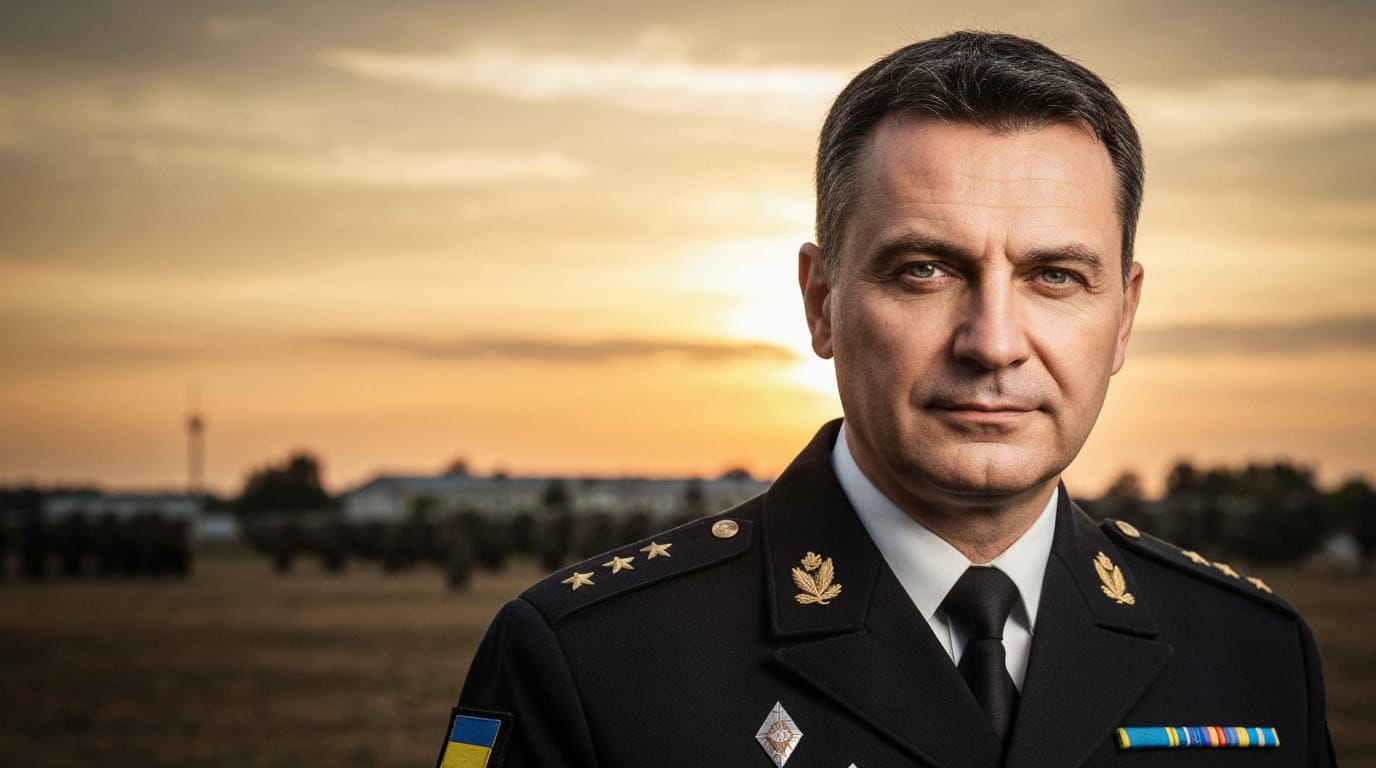
KYIV – In a pivotal strategic move underscoring the growing importance of technology in modern conflict, Ukraine's parliament, the Verkhovna Rada, today appointed Mykhailo Fedorov as the nation's new Minister of Defense. The unanimous vote, with 277 lawmakers in favor, cements a significant leadership change anticipated to accelerate Ukraine's tech-driven approach to defense amid ongoing hostilities. At 34 years old, Fedorov becomes the youngest Defense Minister in Ukraine's history, bringing a formidable reputation as a digital innovator from his previous role as Deputy Prime Minister and Minister of Digital Transformation. His appointment is poised to transform the country's military apparatus, integrating cutting-edge technologies like artificial intelligence, advanced drone systems, and robust cyber defenses directly into the war effort.
Architect of Digital Governance Ascends to Defense
Fedorov's journey to the helm of Ukraine's defense sector began in 2019 when he joined President Volodymyr Zelenskyy's administration as Minister of Digital Transformation. His initial mandate was ambitious: to build a "state in a smartphone" and digitize public services, effectively combating bureaucracy and enhancing government transparency. This vision materialized in the highly successful Diia app, a mobile application that transformed how Ukrainian citizens interact with their government. Diia allows users to access digital documents, register births, renew passports, and even apply for state aid, boasting over 23 million users. The app's user-centric design and ease of use quickly made Ukraine a global leader in e-governance, a model that other countries, including Estonia, are now seeking to emulate.
Beyond streamlining administrative processes, Fedorov's team proactively leveraged Diia for wartime efforts. Following the full-scale invasion, the app was adapted to serve critical functions such as providing information on job listings for displaced persons, processing war-damage claims, and enabling citizens to report the movement of Russian troops and equipment through a dedicated "e-enemy" chatbot. This innovative repurposing of civilian technology for national security demonstrated Fedorov's pragmatic and adaptable leadership, qualities now deemed essential for Ukraine's defense.
Bridging Silicon Valley and the Battlefield
Fedorov's influence on Ukraine's defense strategy predates his formal appointment as Defense Minister. From his role in digital transformation, he was instrumental in initiating and scaling programs that directly augmented Ukraine's military capabilities. A cornerstone of these efforts is the "Army of Drones" initiative, a comprehensive program focused on the procurement, repair, and training of operators for unmanned aerial vehicles (UAVs). This initiative has been crucial in establishing a "drone line" – a continuous defensive and offensive zone along the front using drones to identify and neutralize enemy forces. Fedorov has set an ambitious target to significantly increase drone-inflicted losses on Russian troops, envisioning a future where "more robots mean fewer losses. More technology means fewer killed."
His team also played a pivotal role in securing and deploying Starlink satellite internet terminals across Ukraine, particularly for frontline forces. This rapid provision of resilient communication infrastructure, facilitated through direct engagement with Elon Musk, proved to be a critical technological advantage in the early stages of the invasion. Furthermore, Fedorov spearheaded the creation of the "IT Army of Ukraine," mobilizing a vast network of volunteer cyber specialists to conduct defensive and offensive cyber operations against Russian digital infrastructure. This proactive cyber posture has been vital in the informational and digital fronts of the conflict.
Another significant undertaking under his guidance is Brave1, a defense technology cluster that fosters collaboration between the government, military, and private sector innovators. Brave1 provides grants and support for the development of new defense technologies, including advanced drones, electronic warfare systems, sensors, and other military startups. With thousands of companies and defense developments already engaged, Brave1 represents Ukraine's commitment to cultivating a robust domestic defense industry and rapidly deploying innovations to the battlefield.
A New Era of Transparency and Technological Advancement for the Defense Ministry
President Zelenskyy's decision to appoint Fedorov signals a clear intent to infuse the Defense Ministry with his trademark efficiency, innovation, and commitment to transparency. Fedorov has already outlined his immediate priorities, which include a comprehensive "deep audit" of the Ministry of Defense's finances, a crucial step in addressing any potential corruption and optimizing resource allocation. He has publicly stated his goal is to "change the system: to reform the army, improve infrastructure on the front lines, eradicate lies and corruption, and make leadership and trust a new culture."
Beyond fiscal reforms, Fedorov plans to push for significant advancements in military training and recruitment, aiming to reduce battlefield losses through better preparation and enhanced combat effectiveness. His vision includes the widespread integration of artificial intelligence for predictive analytics and disruption of enemy attacks, alongside boosting domestic production of sophisticated weaponry like laser-guided munitions and robotic systems. This emphasis on indigenously produced, high-tech solutions is a direct response to the demands of prolonged conflict and the need for scalable defense capabilities.
Redefining Modern Warfare
Fedorov's appointment is a potent symbol of how modern warfare is evolving, placing technological superiority and rapid innovation at the forefront of national defense strategies. Ukraine, facing a formidable adversary, has been forced to adapt and embrace asymmetric advantages offered by technology. His leadership signifies a deliberate shift away from traditional military hierarchies toward a more agile, data-driven, and technologically advanced fighting force.
The challenges are immense. Ukraine faces ongoing manpower shortages and continuous aggression, making the efficient deployment of technology even more critical. Fedorov's track record demonstrates an ability to attract talent, foster innovation, and implement large-scale digital solutions under extreme pressure. His strategic bet on drones, data, and AI reflects a belief that these elements will ultimately determine Ukraine's fate. His vision extends to creating a "fully automated frontline, not held by people but by robots," showcasing a radical reimagining of military engagement.
The appointment of Mykhailo Fedorov as Ukraine's Defense Minister marks a transformative moment, signaling Ukraine's unwavering commitment to leveraging technology as its shield and sword. From revolutionizing public services with the Diia app to mobilizing a digital army and fostering a vibrant defense tech ecosystem, Fedorov has consistently demonstrated a capacity to drive significant change. His new role is poised to accelerate the integration of advanced digital solutions, artificial intelligence, and drone warfare into every facet of Ukraine's defense, reshaping its military for a new era of conflict and setting a precedent for modern national security. The world will be watching as this tech-savvy leader endeavors to secure Ukraine's future through innovation and strategic digital transformation on the battlefield.


