Ukraine Boycotts Paralympic Opening Ceremony Over Russian Flag Decision
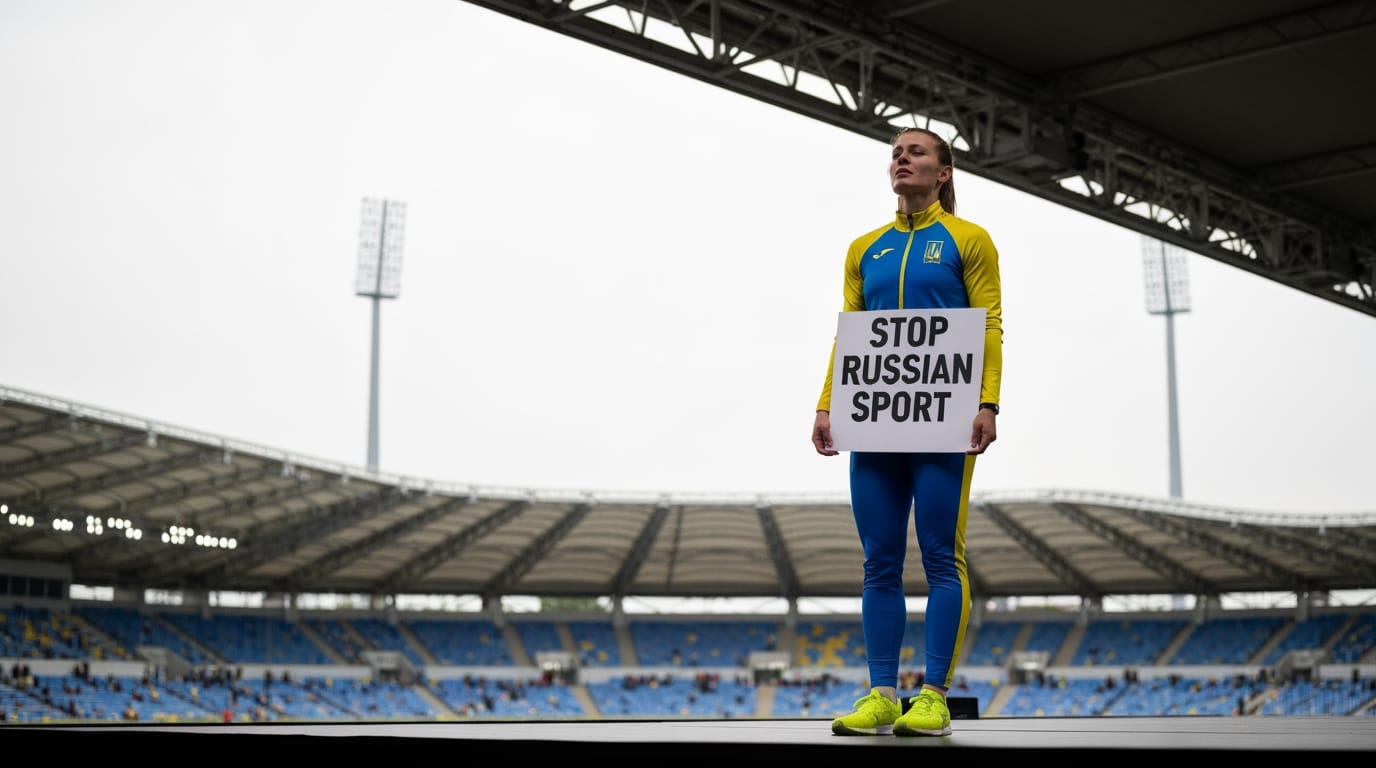
KYIV, Ukraine – Ukraine has announced its decision to boycott the opening ceremony of the upcoming Milano-Cortina Paralympic Winter Games, scheduled for March 6, 2026. The move comes in staunch protest against the International Paralympic Committee's (IPC) controversial decision to permit Russian and Belarusian athletes to compete under their national flags. The boycott underscores the deep political and emotional chasm separating sport and the ongoing conflict in Eastern Europe.
The National Paralympic Committee of Ukraine, along with Ukrainian government officials, declared on February 19, 2026, that their delegation would not participate in the opening festivities set to take place in Verona. This strong stance is a direct response to the IPC's ruling, which will allow six Russian and four Belarusian athletes to display their national emblems, a departure from calls for their participation under neutral banners. Ukrainian officials have also demanded that their own national flag not be used at the opening ceremony, emphasizing the severity of their protest.
IPC Decision Ignites Fury
The IPC's decision has been met with significant outrage from Kyiv, which views the presence of Russian and Belarusian national symbols at an international sporting event as a profound betrayal. Valeriy Sushkevych, president of the Ukrainian Paralympic Committee, expressed profound disappointment, stating that he feels the IPC has betrayed Ukraine, particularly as Russian flags would be displayed, which he described as "soaked in Ukrainian blood." Ukrainian Sports Minister Matviy Bidnyi condemned the decision as "disappointing and outrageous," asserting that the flags of Russia and Belarus "have no place at international sporting events that stand for fairness, integrity, and respect."
For Ukraine, the issue extends beyond mere athletic competition; it is inextricably linked to the ongoing military aggression. Ukrainian officials contend that Russia and Belarus have weaponized sport, transforming it into "a tool of war, lies, and contempt." They further highlighted that neither Russia nor Belarus reportedly went through the standard qualification process to secure licenses for the Milano-Cortina Paralympics, suggesting that the IPC's decision contradicts fundamental principles of slot distribution by granting Russia the largest number of slots without proper qualification.
A Political Maneuver or Sporting Principle?
The International Paralympic Committee had previously imposed a ban on Russia and Belarus following the 2022 invasion of Ukraine. However, this ban was lifted in September 2025, paving the way for the current ruling that permits national flag participation. While an IPC spokesperson indicated that the committee was in direct contact with Ukraine's Paralympic Committee to discuss the matter internally, the justification for allowing national symbols remains a point of contention.
From Moscow's perspective, the decision to allow their athletes to compete is a step towards de-politicizing sport. Russia has consistently argued that mixing sport and politics is inappropriate and that targeting disabled athletes is particularly offensive. However, Ukraine counters that in Russia, Paralympic sport is actively utilized to glorify the war and those who have returned from the conflict with injuries, thus becoming a platform for state propaganda. Ukrainian Sports Minister Bidnyi warned that allowing the Russian flag on the international stage essentially contributes to Russia's propaganda machine and normalizes the war.
Broader Implications and International Reactions
The Ukrainian boycott is not merely symbolic; it reflects a deeper struggle to maintain pressure on nations involved in armed conflict. Ukrainian Foreign Minister Andriy Sybiga has instructed Kyiv's ambassadors to lobby other countries to also shun the opening ceremony, stressing that allowing "aggressor states" flags while the war continues is "wrong - morally and politically." This call has already resonated with some European officials. Glenn Micallef, the EU's sports commissioner, announced he would also skip the opening ceremony. Additionally, Foreign Minister Antonio Tajani of Italy, the host nation, joined the chorus of criticism, urging the IPC to reconsider its decision. Estonia has also publicly backed Ukraine, announcing its decision to boycott the opening ceremony.
Despite the boycott of the opening ceremony, Ukraine's para-athletes are still committed to participating in the competitive events of the Milano-Cortina Games, which run from March 6 to March 15, 2026. This strategic decision highlights a desire to compete and achieve sporting victories, while simultaneously making a strong political statement against what they perceive as an unjust decision by the IPC. The Ukrainian Paralympic Committee stated their intent to "fight for the sporting victories of Ukrainian athletes" and to "strive for the principles of justice in Paralympic sport" alongside other nations.
The controversy casts a shadow over the upcoming Winter Paralympics, bringing the intersection of sport and global geopolitics into sharp focus once again. The IPC's decision has reignited debates about neutrality, inclusion, and the ethical responsibilities of international sporting bodies in times of conflict. As the games approach, the absence of Ukrainian officials and the presence of contested national flags will serve as a poignant reminder of the ongoing humanitarian crisis and the complex challenges of upholding universal values within the realm of elite athletic competition.