Ukraine Declares U.S. Security Guarantees Deal '100% Ready' Amidst Critical Peace Talks
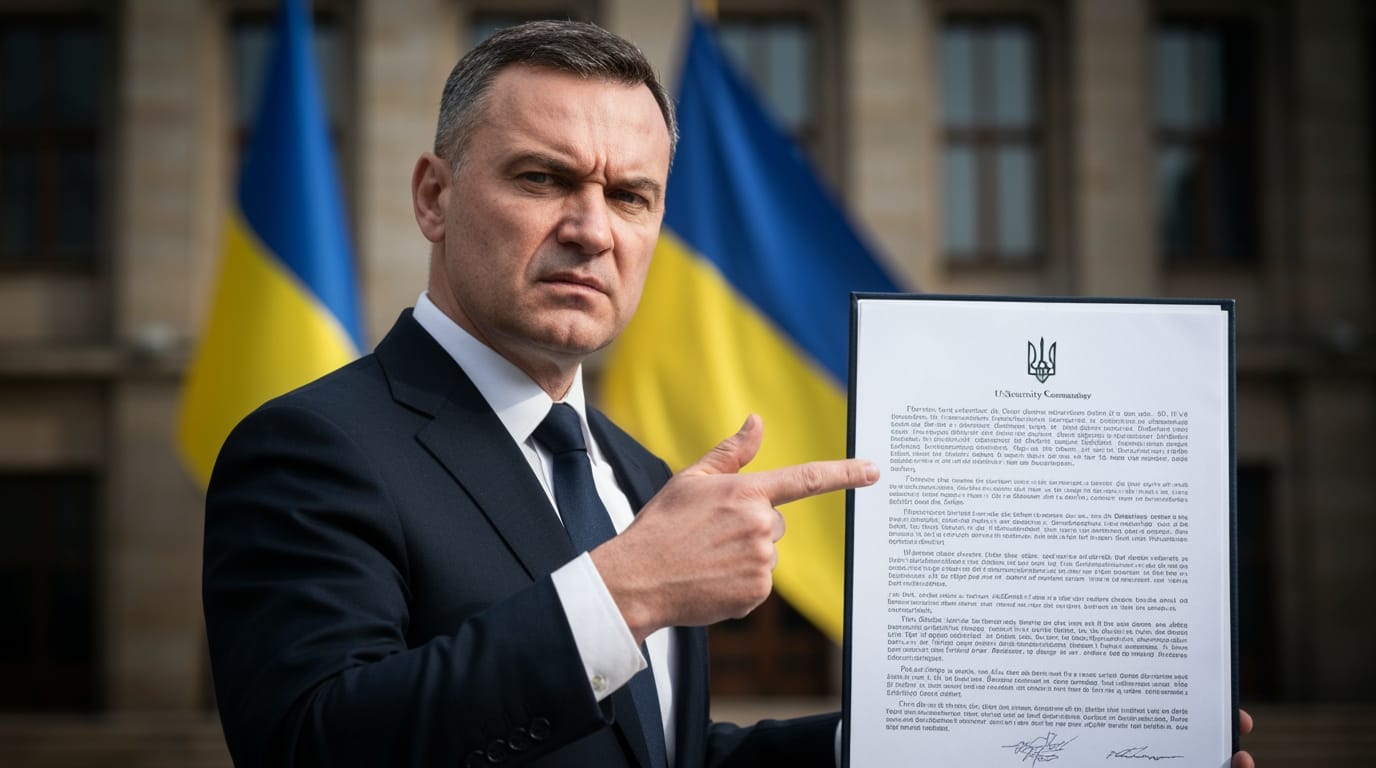
Kyiv has announced a significant diplomatic stride toward securing its long-term future, with Ukrainian President Volodymyr Zelenskyy stating Sunday that a U.S. security guarantees document is "100% ready" for signing. The declaration follows two days of intensive trilateral discussions in Abu Dhabi involving representatives from Ukraine, the United States, and Russia, aimed at forging a path to end the nearly four-year full-scale invasion of Ukraine. This pivotal agreement, once signed, would proceed to the U.S. Congress and Ukrainian parliament for ratification, signaling a potentially new phase in the protracted conflict.
Diplomacy on the Brink of a Breakthrough
President Zelenskyy, speaking to journalists in Vilnius during a visit to Lithuania, highlighted the readiness of the comprehensive security guarantees document. He indicated that Ukraine now awaits its partners to determine a specific date and location for its official signing. These recent talks in the United Arab Emirates mark a rare instance of direct engagement in a trilateral format involving diplomats and military representatives from all three nations, underscoring the high stakes involved in de-escalating the ongoing hostilities.
The document's journey to ratification by both the U.S. Congress and the Ukrainian parliament distinguishes it as a profoundly impactful accord, suggesting a more robust and legally binding commitment than previous arrangements. The discussions in Abu Dhabi covered a broad spectrum of military and economic matters, including the possibility of a ceasefire. However, fundamental disagreements persist, particularly concerning Ukraine's territorial integrity, which remains a major sticking point in any potential peace settlement.
The Evolving Landscape of Ukraine's Security
This "100% ready" document represents an evolution in the framework of international support for Ukraine, building upon prior commitments while aiming for a more encompassing resolution. It stands distinct from the 10-year bilateral security agreement signed by U.S. President Joe Biden and Ukrainian President Zelenskyy on June 13, 2024, during the G7 summit in Italy. That earlier bilateral agreement, an executive pact that did not require congressional approval, focused on strengthening security and economic cooperation, providing assistance and training, and advancing reforms essential for Ukraine's Euro-Atlantic integration.
The current document, poised for parliamentary ratification, appears to be integral to a broader peace settlement that would define Ukraine's security architecture post-conflict. Ukraine has consistently sought legally binding security assurances, a pursuit influenced by the non-binding nature of the 1994 Budapest Memorandum, which offered assurances but failed to prevent subsequent aggression against its territory. The new guarantees are designed to bolster Ukraine's credible defense and deterrence capabilities for the long term, ensuring its ability to defend itself and deter future aggression.
Hurdles to Lasting Peace
Despite the progress on the security guarantees document, significant diplomatic challenges endure. The talks in Abu Dhabi laid bare the deep-seated differences between Ukrainian and Russian positions, particularly concerning territorial issues. While Ukraine insists on the inviolability of its territorial integrity, Russia continues to demand Kyiv's withdrawal of troops from areas in the east that Moscow has unilaterally annexed but does not fully control.
President Zelenskyy acknowledged the U.S. efforts to find a compromise, emphasizing that "all sides must be ready for compromise" to achieve a resolution. Negotiators are scheduled to reconvene in the UAE on February 1 for another round of talks, highlighting the ongoing, intricate nature of the diplomatic process.
A Multidimensional Approach to Security
Beyond the immediate security guarantees, Ukraine continues to pursue a multidimensional approach to solidify its future stability. President Zelenskyy underscored Ukraine's ambition for European Union membership by 2027, perceiving it as a crucial "economic security guarantee." This aspiration reflects a broader strategy to integrate Ukraine into Euro-Atlantic structures, which Kyiv believes are essential for its long-term stability and prosperity.
Ukraine has also been active in forging bilateral security agreements with a growing number of international partners, with 15 such agreements already concluded under the framework of the G7 Joint Declaration of Support to Ukraine. These commitments, along with the efforts of a "Coalition of the Willing," aim to collectively strengthen Ukraine's defense posture and ensure a robust international response to any future threats. The ultimate goal is to create a secure, sovereign, and independent Ukraine fully integrated with the Euro-Atlantic community.
Conclusion
The announcement of a "100% ready" U.S. security guarantees document marks a critical juncture in the diplomatic efforts to resolve the conflict in Ukraine. While the readiness of the document signals a potential breakthrough in establishing a more formalized and ratified security framework, the path to a comprehensive and lasting peace remains fraught with significant challenges, particularly over territorial disputes. The upcoming signing and ratification processes, along with future rounds of trilateral talks, will be crucial in determining the ultimate impact of this agreement on Ukraine's security and the broader geopolitical landscape.


