Ukraine Embarks on Sweeping Government Overhaul Amid Prolonged War
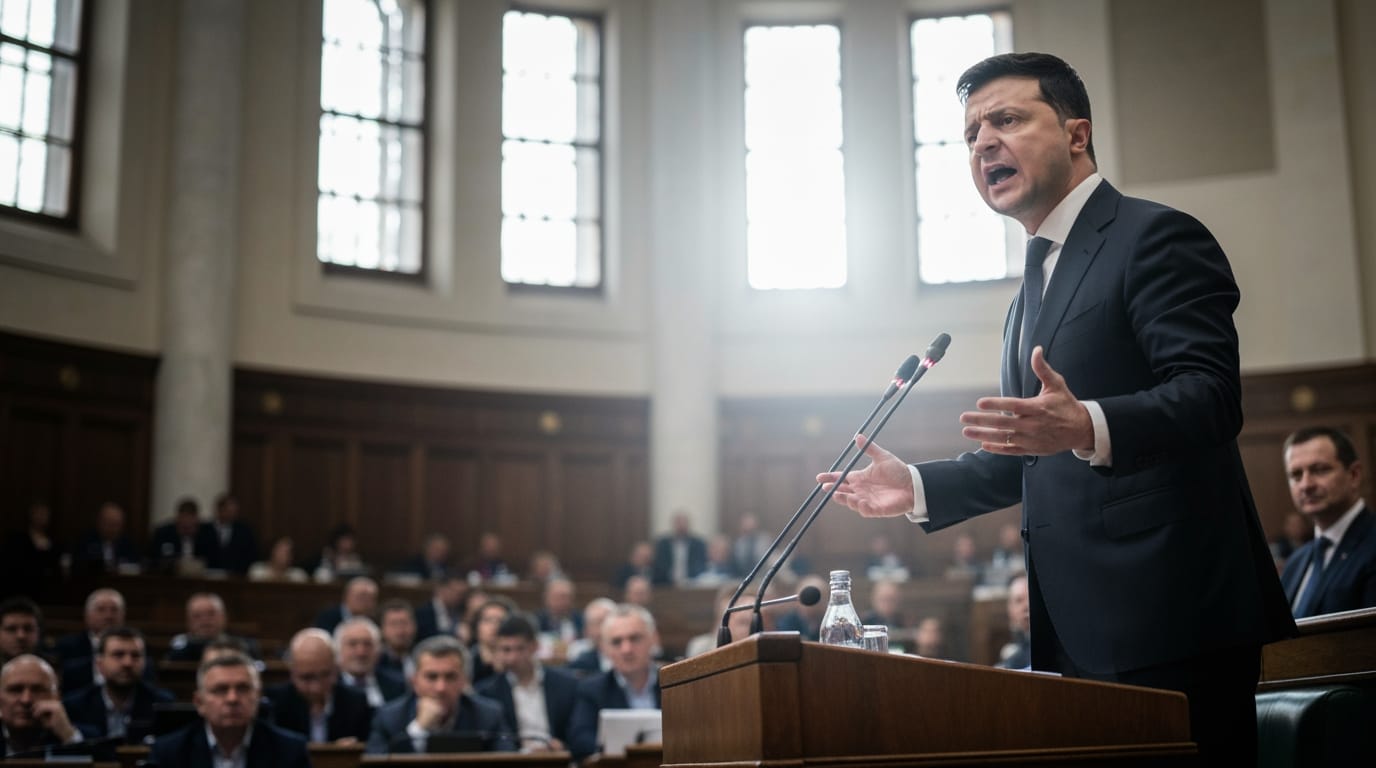
KYIV, Ukraine – President Volodymyr Zelenskyy has initiated a comprehensive shake-up of Ukraine's government, announcing the replacement of Prime Minister Yulia Svyrydenko and significant changes across various ministries and law enforcement agencies. This extensive reshuffle, publicly disclosed on July 12, 2026, marks a pivotal moment in Ukraine's wartime administration, signaling a deliberate shift toward a "new political strategy" aimed at fortifying the nation's resilience and sharpening its diplomatic and security focus amidst the protracted conflict with Russia. The overhaul, the third major reorganization since Russia's full-scale invasion in February 2022, underscores Kyiv's intent to adapt its state apparatus to the evolving demands of a prolonged war and to more effectively pursue its strategic objectives on both the domestic and international fronts.
Crafting a New Political Strategy for a Prolonged Conflict
President Zelenskyy articulated that the extensive governmental changes are imperative for the implementation of an "updated political strategy." This strategic recalibration reflects a recognition that Ukraine's governance model must transition from emergency management to sustained adaptation in the face of an enduring conflict. The president emphasized that each priority area, particularly in foreign policy, will now be entrusted to experienced individuals capable of translating high-level agreements into tangible results and meeting the expectations of the Ukrainian populace. This move is designed to enhance administrative effectiveness, accelerate decision-making, and improve coordination across state sectors, which are vital for managing public finances, defense production, and economic recovery in a challenging environment.
The new strategy prioritizes several critical foreign policy directions. These include strengthening bilateral ties and security cooperation with the United States, notably through agreements for licensed production of Patriot air defense systems, and advancing Ukraine's bid for European Union membership. Zelenskyy also highlighted the importance of a proposed European anti-ballistic missile project, deepening economic, political, and cultural connections within the EU, and re-establishing relations with neighboring countries like Poland and Hungary on a "new foundation." Furthermore, enhancing cooperation with the Middle East and Gulf region, identified as a promising area for security and economic collaboration, and with China, as well as engaging key international organizations, are central to Kyiv's diplomatic efforts.
Domestically, the government's updated agenda focuses on immediate wartime needs and long-term recovery. Priorities include bolstering efforts in frontline and border regions that face daily Russian attacks, increasing the supply of weapons and drones to the military, and meticulously preparing for the upcoming winter season to mitigate potential energy threats. Accelerating the transformation of state-owned companies, which are crucial for national resilience, and implementing reconstruction agreements with international partners also feature prominently.
Leadership Changes and the New Face of Government
The most prominent change in the reshuffle is the departure of Prime Minister Yulia Svyrydenko, who had served in the role for approximately a year. President Zelenskyy expressed gratitude for her "clear, steady, and effective work" and has offered her an opportunity to lead a "new and important area of relations with a key partner," with reports suggesting a potential appointment as Ukraine's Ambassador to the United States. This move would leverage her economic expertise and international contacts in a crucial diplomatic mission.
Serhii Koretskyi, the current head of the state energy company Naftogaz, has emerged as the leading candidate to succeed Svyrydenko as Prime Minister. His potential appointment is seen as placing a respected technocrat at the helm of a government increasingly focused on bolstering energy security, particularly in light of ongoing Russian strikes on critical infrastructure. Other names that had been discussed for the premiership include former Prime Minister and current Energy Minister Denys Shmyhal, Defense Minister Mykhailo Fedorov, and Kharkiv Mayor Ihor Terekhov, known for his crisis management in a frequently targeted city.
Beyond the prime ministerial post, changes are anticipated in the leadership of several law enforcement agencies. The future of Defense Minister Mykhailo Fedorov, who has overseen the military's technological evolution and aimed to overhaul recruitment, remains uncertain, with some reports indicating he might be replaced or transferred to another senior position. Interior Minister Ihor Klymenko has been mentioned as a possible candidate for the Defense Ministry. Concerns have been raised by some opposition lawmakers regarding potential instability in the Defense Ministry during critical army reforms, especially as Ukraine intensifies its long-range strike campaigns against Russian targets. Furthermore, structural changes within ministries are also being considered, including the potential division of the existing Ministry of Economy, Environment, and Agriculture to improve management of key economic sectors.
Navigating Domestic Scrutiny and International Expectations
While cabinet reshuffles formally require parliamentary approval, President Zelenskyy's Servant of the People party retains a majority, making the passage of these changes widely expected. However, the reshuffle occurs against a backdrop of increasing domestic pressures and scrutiny. Public trust in Ukraine's parliament and government has seen some erosion, though presidential trust remains comparatively higher.
The context of the ongoing war also brings unique challenges. Over four years of conflict have placed immense strain on the economy, leading to significant labor shortages due to displacement, mobilization, and casualties. Ukraine's dependence on external military and financial aid necessitates maintaining strong relationships with international partners, who are keen on ensuring transparency and oversight in spending. Efforts to combat corruption remain a persistent challenge, with past incidents, such as a law in July 2025 that briefly reduced the independence of anti-corruption bodies, drawing international warnings. Recent reports of a "systemic conflict" within the defense sector and a significant corruption scandal involving the state-owned Energoatom company have highlighted these ongoing concerns. Despite these internal dynamics, Ukraine's Deputy Prime Minister for European Integration, Taras Kachka, affirmed that the government changes will not impede the country's EU integration process, which remains an "unconditional priority."
Conclusion: A Wager on Renewed Leadership
President Zelenskyy's sweeping government overhaul represents a significant bet on renewed leadership and a recalibrated strategy to navigate the complexities of a prolonged war. By placing experienced officials in key foreign policy roles and streamlining domestic priorities, Kyiv aims to enhance its effectiveness in securing international support, advancing its European integration, and strengthening its defensive capabilities. This critical transition comes at a time when Ukraine continues to face relentless Russian aggression and mounting domestic challenges. The success of this reshuffle will be measured by its ability to foster greater stability, accelerate critical reforms, and ultimately bolster Ukraine's capacity to withstand the pressures of war and emerge as a resilient, independent nation.


