Ukraine Emerges as Global Leader in Counter-Drone Warfare Amid Escalating Middle East Tensions
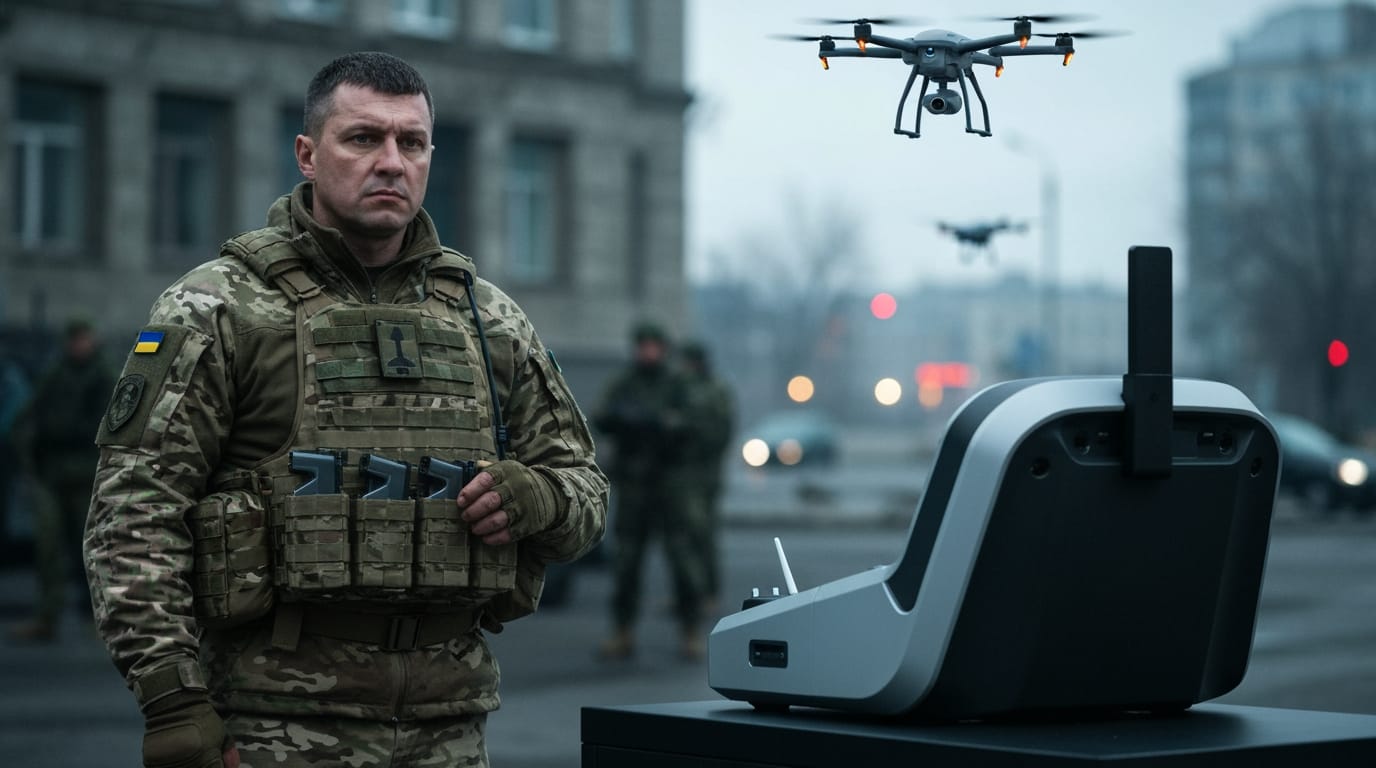
Kyiv, Ukraine – As Iranian-designed drones increasingly proliferate across global conflict zones, particularly in the Middle East, Ukraine has emerged as an unlikely, yet critical, source of battle-hardened expertise in countering these pervasive aerial threats. Having endured four years of relentless drone attacks from Russia, often employing Iranian-made Shahed-136 loitering munitions, Ukraine has developed innovative and cost-effective defense strategies now being sought by nations worldwide. The country's hard-won experience in mitigating large-scale drone assaults is proving to be a valuable commodity as regional conflicts underscore vulnerabilities in traditional air defense systems.
The Shadow of the Shahed: A Proliferating Threat
Iran has developed a diverse and increasingly sophisticated drone program, with its Shahed series becoming a hallmark of its military strategy. These drones, often dubbed "the poor man's cruise missile" due to their relatively low cost and ability to overwhelm more advanced defenses, have been deployed by Russia against Ukrainian cities and infrastructure and by Iranian proxies or Iran itself in targeting critical facilities and military installations across the Middle East. Reports indicate that a single Shahed drone can cost as little as $20,000 to $50,000, while the advanced Patriot missiles typically used for interception by Gulf nations and the United States cost millions of dollars each. This stark cost disparity creates a significant challenge, as defenders risk depleting expensive missile stockpiles against a barrage of inexpensive, expendable drones. The sheer volume of these attacks, with thousands of drones launched in some instances, is designed to saturate and exhaust sophisticated air defense networks.
Ukraine's Innovative Shield: A Layered Defense Strategy
Faced with an urgent and existential threat, Ukraine has been forced to innovate rapidly in counter-drone warfare. Since Russia's full-scale invasion in February 2022, Ukrainian forces have developed a multi-layered air defense system to combat the tens of thousands of Iranian-designed Shahed drones launched by Moscow. This strategy combines traditional surface-to-air missiles with electronic warfare, mobile fire teams, and, crucially, swarms of low-cost interceptor drones. Mobile fire teams, often equipped with machine guns and Man-Portable Air-Defense Systems (MANPADS), have played an important role in urban and short-range defense, though their effectiveness can be limited against high-flying or swarming drones.
The most significant advancement has been the development and deployment of indigenous interceptor drones. These unmanned aerial vehicles, costing as little as $1,000 to $2,500 apiece, are specifically designed to hunt down and destroy incoming Shaheds in mid-air. Ukrainian officials report that these low-cost interceptors now account for approximately 70% of Shahed drones shot down around Kyiv, drastically improving the sustainability of air defense over prolonged conflict. Companies like Wild Hornets, with their Sting interceptor drone, and Skyfall, producing the P1 Sun, have rapidly scaled up production, showcasing Ukraine's burgeoning defense industry. This "good enough" philosophy, prioritizing volume and cost-effectiveness, represents a conceptual shift in defending against abundant, low-cost unmanned systems.
Exporting Expertise: The "Ukrainian Way" Goes Global
The efficacy of Ukraine's counter-drone strategies has garnered significant international attention. As Iranian drone attacks intensified across the Middle East, Gulf nations, despite possessing advanced Western air defense systems, found themselves struggling to cope with the sheer volume and cost implications of intercepting Shaheds. In response, Ukrainian President Volodymyr Zelenskyy confirmed that Ukraine has dispatched military experts and offered its technology to assist partners facing Iranian drone threats.
Teams of Ukrainian military specialists, numbering over 200, have been deployed to countries such as the United Arab Emirates, Qatar, Saudi Arabia, Kuwait, and Jordan to provide both expertise and practical support in countering Iranian drones. These deployments include sharing technical databases, identification methods, operational coordination, and training in the use of low-cost countermeasures and layered defense systems. The United States and Israel have also expressed interest in Ukraine's unique experience, with discussions ongoing about potential cooperation. Kyiv views this sharing of expertise as a strategic opportunity to strengthen diplomatic ties and, in return, potentially secure access to much-needed advanced air defense missiles and other military assistance for its ongoing conflict with Russia. Ukrainian officials have also indicated a willingness to explore joint production facilities and technology transfer with international partners to meet the growing global demand for effective counter-drone solutions.
Challenges and the Evolving Drone Landscape
Despite Ukraine's remarkable successes, the transfer and implementation of its counter-drone expertise are not without challenges. Experts caution that building an effective, integrated air defense network takes time and involves more than simply supplying interceptor drones; it requires comprehensive training, tactical integration, and the development of robust command and control systems. Furthermore, while there is significant international interest in purchasing Ukrainian-made interceptors, current wartime priorities mean that the export of such systems is restricted, though government-to-government discussions about future supplies are underway.
The drone warfare landscape also continues to evolve rapidly. Iran is consistently adapting its drone technology, with new variants like the jet-powered Shahed 238, known as Geran-3 in Russian service, posing new threats. Russia, too, has integrated new technologies, such as Starlink transmitters, into its Geran variants, necessitating continuous counter-innovation. This ongoing technological arms race underscores the need for continuous adaptation and development of countermeasures. Ukraine's experience provides a crucial template for how open societies can respond to this dynamic threat, emphasizing distributed connectivity and cost-conscious solutions over platform-centric hierarchy.
A New Paradigm for Air Defense
Ukraine's transformation from a target of mass drone attacks to a global tutor in counter-drone warfare marks a pivotal moment in modern military strategy. The "Ukrainian way" of defending against Iranian-designed Shahed drones – characterized by its layered, adaptive, and cost-effective approach – offers a blueprint for nations grappling with the proliferation of unmanned aerial systems. By sharing its battle-tested methods, Ukraine is not only bolstering its own strategic position but is also actively reshaping international security dynamics, providing practical solutions to a threat that transcends borders and conventional warfare. The interconnectedness of global conflicts and the rapid dissemination of military innovations ensure that the lessons learned on Ukrainian battlefields will continue to influence air defense strategies for years to come.


