Ukraine on Brink of Deeper Humanitarian Catastrophe, EU Warns Amid Intensified Winter Attacks
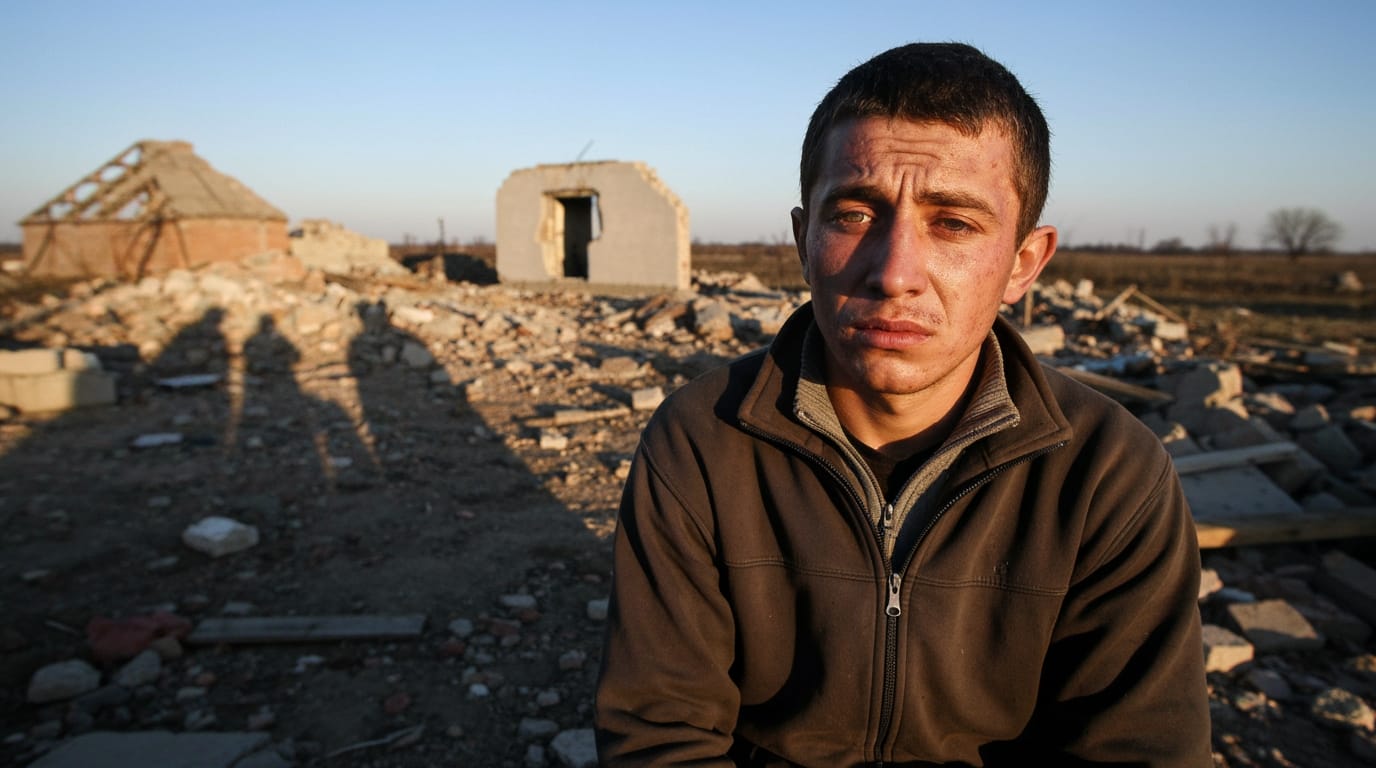
BRUSSELS – As Ukraine endures its fourth winter under relentless conflict, European officials and humanitarian organizations are sounding increasingly urgent alarms, warning that the nation faces a deepening humanitarian catastrophe. With attacks on critical infrastructure escalating, millions of civilians are grappling with severe shortages of heat, electricity, and water, pushing the country further into crisis.
This dire outlook comes as the conflict continues to inflict a devastating toll on human lives and essential services, prompting renewed calls for sustained international support.
Escalating Warnings Amid Unrelenting Hostilities
The gravity of the situation was underscored recently by High Representative Kaja Kallas, who, speaking on January 29, 2026, warned of a "humanitarian catastrophe coming" to Ukraine, directly attributing it to Russia's strategy of "bombing and freezing them to surrender." This echoes earlier concerns from Myroslava Gongadze of the Atlantic Council, who stated in January 2026 that parts of Ukraine, particularly Kyiv and the eastern regions, are "sliding toward a full-scale humanitarian crisis." Kyiv Mayor Vitali Klitschko had also previously alerted the European Union to the potential for a humanitarian crisis, including the spread of disease from frozen water pipes and a subsequent immigration crisis.
The year 2025 marked a grim milestone, becoming the deadliest for Ukrainian civilians since the full-scale invasion began, with over 2,500 killed and more than 12,000 injured. This represents a 31% increase in civilian casualties compared to 2024, highlighting the escalating intensity of hostilities. The UN Human Rights Monitoring Mission in Ukraine has verified nearly 15,000 civilian deaths since February 2022, though the actual figures are believed to be considerably higher.
The Staggering Human Cost: Displacement and Casualties
The human cost of the protracted conflict is profound and continues to mount. As of late 2025 and early 2026, approximately 3.7 million people remain internally displaced within Ukraine, with a significant portion having been displaced for over two years. Many have been displaced multiple times, depleting their resources and increasing their vulnerability. Beyond Ukraine's borders, some 5.86 million refugees were recorded globally by December 2025, with about 5.3 million finding refuge in Europe. Overall, more than one in three Ukrainians, representing approximately 10.6 million people, have been forced from their homes since the war began.
Tragically, civilian casualties persist as a grim reality of the conflict. More than 14,000 Ukrainian civilians have been killed since the invasion, with nearly half of them being older individuals. The first 11 months of 2025 alone saw over 1,900 civilian deaths, the highest number recorded since 2022. The impact extends beyond immediate casualties, with at least 19,500 Ukrainian children illegally transferred to Russia, a stark violation of international law. Of these, only about 1,300 had been returned by December 2025, leaving countless families separated and traumatized.
Infrastructure Under Siege: The Winter's Cruel Grip
A cornerstone of Russia's recent military strategy has been the systematic targeting of Ukraine's energy infrastructure, an approach that has been described as the most comprehensive bombing campaign of the war. These deliberate attacks aim to deny heating, electricity, and water to millions during the freezing winter months, exacerbating the humanitarian crisis.
The scale of destruction is immense. By May 2025, an estimated 90% of Ukraine's thermal power generation capacity had been destroyed, alongside 50% of hydropower installations being damaged and 40% destroyed. By Fall 2025, Ukraine's energy infrastructure was operating at only about one-third of its pre-invasion generating capacity. Critical gas production facilities also suffered, with 60% destroyed by October 2025, severely impacting the country's ability to provide heating. This devastation has left millions without reliable access to essential services, leading to prolonged power outages, water cuts, and heating shortages. More than 2 million housing units have been damaged or destroyed across the country since 2022.
The economic consequences are also significant. Power shortages have led to widespread shutdowns of major enterprises, affecting 80% of Ukrainian companies and causing production declines, rising costs, and increased product prices. The International Monetary Fund (IMF) projects Ukraine's total financial gap for 2026-2027 to be around $63 billion, and the Ukrainian government estimates its total remaining needs, including military, at €136 billion.
Mounting Challenges for Aid and Recovery
The ongoing hostilities present immense challenges for humanitarian aid delivery. An estimated 10.8 million people in Ukraine will require humanitarian assistance and protection in 2026. The most critical needs are concentrated along the frontlines and in northern border regions, where intensified hostilities create significant protection challenges. Efforts to provide assistance are further complicated by insecurity, access constraints, and the pervasive threat of landmines and unexploded ordnance, with Ukraine now having the highest number globally.
Despite these obstacles, humanitarian partners continue their work. The 2026 Humanitarian Needs and Response Plan, launched in January 2026, aims to provide urgent support, particularly focusing on vulnerable populations near the frontlines, evacuations, and emergency responses to attacks. The UN and its partners are seeking $2.3 billion to assist 4.1 million of the most vulnerable people in Ukraine this year. However, funding shortages persist, hindering the overall response. The 2025 Humanitarian Needs and Response Plan was only 47% funded by November 2025, and shelter and non-food assistance reached only 37% of its annual target, leaving over 1.3 million people without adequate support. The European Commission has allocated €145 million for humanitarian needs in Ukraine for 2026.
The winter of 2025-2026 has intensified the crisis, with temperatures plummeting and large-scale attacks on energy infrastructure causing service disruptions that exceed anticipated scenarios. Humanitarian organizations are working to deliver critical winter assistance to protect vulnerable individuals from the cold, including providing shelter, heating support, and essential supplies.
A Persistent Crisis Demanding Sustained Global Action
As Ukraine enters its fifth year of conflict, the humanitarian situation remains severe and increasingly complex. The relentless attacks on civilians and critical infrastructure, combined with widespread displacement and the systemic degradation of essential services, continue to erode the coping capacities of millions. The psychological toll is also substantial, with nearly 10 million people at risk of or living with mental health conditions.
The warnings from European officials highlight the urgent need for continued and strengthened international solidarity and funding. Without sustained efforts to provide humanitarian aid, rebuild damaged infrastructure, and protect the most vulnerable populations, the humanitarian catastrophe in Ukraine risks deepening, with profound and lasting consequences for the country and the wider region.


