Ukraine Peace Effort Faces Uncertainty as 'Easter Truce' Ends
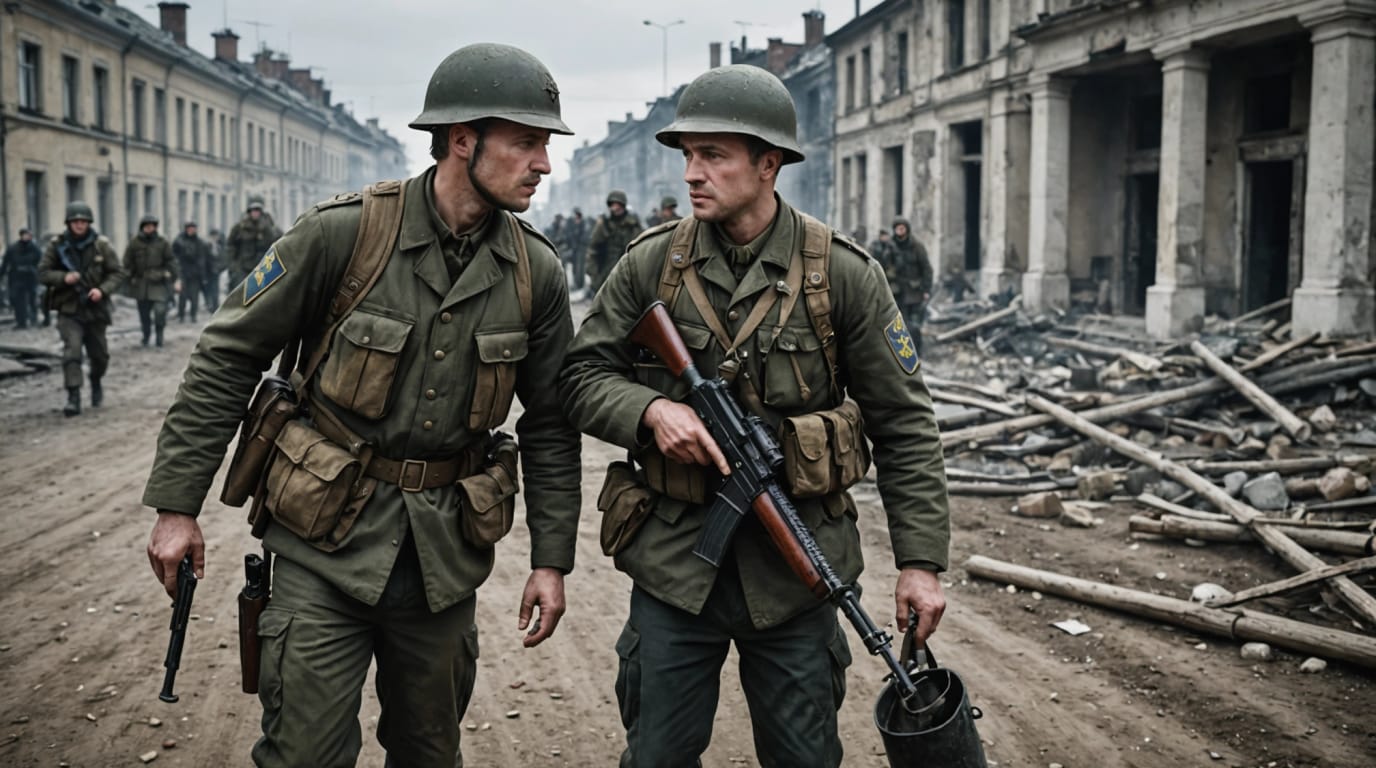
KYIV, Ukraine – Hopes for a swift resolution to the conflict in Ukraine are wavering as a fragile "Easter truce" concludes, leaving the path to lasting peace uncertain. Despite international efforts and ongoing negotiations, deep divisions remain between Ukraine and Russia, further complicated by shifting geopolitical dynamics and a lack of trust.
Violated Truce and Accusations
The 30-hour Easter ceasefire, declared by Russian President Vladimir Putin and ending Sunday night, was marred by accusations of violations from both sides. Ukrainian President Volodymyr Zelenskyy reported nearly 3,000 alleged breaches by Russian forces, while Russia's defense ministry claimed over 1,000 violations by Ukraine. These reciprocal accusations underscore the tenuous nature of any agreements and the deep-seated animosity that continues to fuel the conflict. The unfulfilled truce has amplified skepticism about Russia's commitment to de-escalation and genuine peace negotiations.
Trump's Involvement and Shifting US Stance
The return of Donald Trump to the White House has significantly altered the landscape of the Ukraine peace process. Trump, who vowed to end the war quickly, has initiated direct talks with Russia, sometimes excluding Ukrainian representatives, a move that has caused concern in Kyiv and among European allies. While Trump expresses optimism about reaching a deal, he has also threatened to "take a pass" if either side proves too difficult, raising questions about the long-term commitment of the United States to the peace process. This uncertainty is compounded by Trump's suspension of military aid to Ukraine and his perceived alignment with Moscow's interests, leading to fears of a disproportionate resolution that lacks security guarantees for Ukraine.
Sticking Points and Maximalist Demands
Negotiations between Ukraine and Russia remain deadlocked due to fundamental disagreements on key issues. Russia insists on maintaining control over occupied territories, including Crimea and parts of eastern Ukraine, and demands that Ukraine abandon its aspirations to join NATO. These maximalist demands are unacceptable to Kyiv, which seeks the full withdrawal of Russian troops, the return of prisoners and kidnapped children, and security guarantees to prevent future aggression. The gap between these positions highlights the difficulty of finding common ground and achieving a sustainable peace agreement.
International Involvement and Security Guarantees
Despite the challenges, the international community remains actively involved in seeking a resolution to the conflict. The United Nations and individual countries are participating in U.S.-Russian talks, aiming to facilitate a broader dialogue and address key issues such as the Black Sea Initiative. European nations, particularly the United Kingdom and France, are also stepping up their efforts to provide security guarantees to Ukraine, potentially including the deployment of peacekeepers. However, the effectiveness of these guarantees remains uncertain, as does the willingness of European troops to engage in combat operations.
Public Opinion and Shifting Attitudes
Public opinion in Ukraine regarding the war and potential peace negotiations is evolving. While a majority of Ukrainians initially favored fighting until victory, recent surveys indicate a growing desire for a negotiated end to the conflict. A significant percentage of Ukrainians are now open to territorial concessions as part of a peace deal, reflecting a shift in attitudes amid the prolonged conflict and its devastating consequences. However, any agreement that compromises Ukraine's core interests or fails to provide adequate security guarantees is likely to face strong opposition from the public and political leaders.
Conclusion
As the Easter truce fades, the future of the Ukraine peace effort hangs in the balance. While negotiations continue and international actors strive to find a resolution, deep divisions, shifting geopolitical dynamics, and a lack of trust pose significant obstacles. The path to lasting peace requires a commitment from all parties to engage in meaningful dialogue, address core concerns, and prioritize the security and sovereignty of Ukraine. Without a genuine effort to bridge the gap between competing interests, the conflict risks prolonging, with devastating consequences for the region and the international community.


