Ukraine Peace Talks to Include US Amidst Shifting Geopolitical Landscape
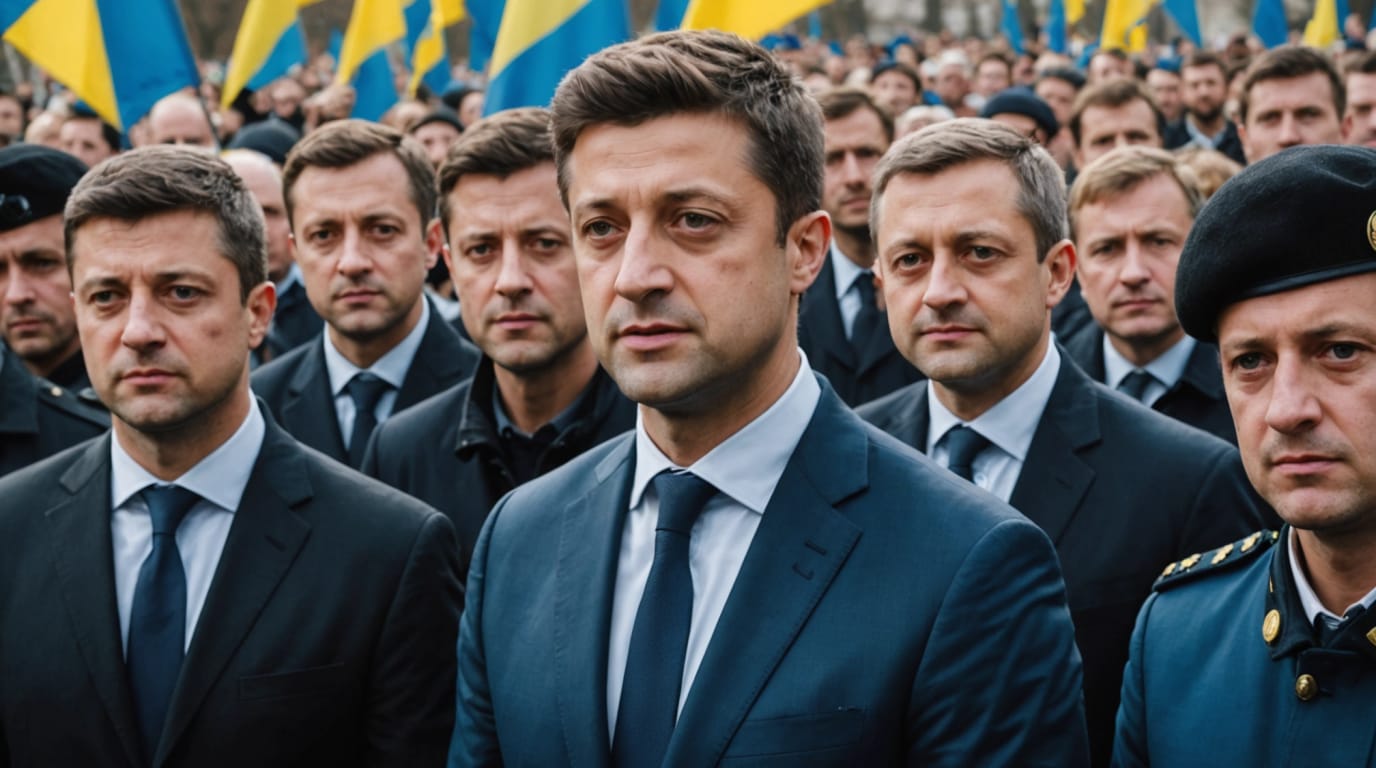
The prospect of peace negotiations to end the three-year-long war in Ukraine has gained momentum, with Ukrainian President Volodymyr Zelenskyy indicating that future talks must include the United States, alongside Europe and Russia. This development comes amidst a flurry of diplomatic activity, a recent rift between Zelenskyy and U.S. President Donald Trump, and growing concerns among European allies about being sidelined in the process.
European Efforts to Broker Peace
European nations, led by Britain and France, are actively exploring options for a peace proposal that includes Ukraine. British Prime Minister Keir Starmer hosted a summit of European leaders in London on Sunday, where they agreed to formulate a peace plan to present to the United States. French President Emmanuel Macron has suggested a one-month ceasefire, pausing attacks on air, sea, and energy infrastructure, to assess Russian President Vladimir Putin's commitment to a truce. France and the UK have also indicated they are open to sending peacekeeping forces to Ukraine as part of any ceasefire.
Starmer has outlined a four-step plan to strengthen Ukraine and support peace: maintaining military aid to Ukraine while the conflict continues and increasing economic pressure on Russia; ensuring that any lasting peace guarantees Ukraine's sovereignty and security, with Ukraine at the table for any negotiations; deterring "any future invasion by Russia" in the event of a peace deal; and establishing a "coalition of the willing" to defend Ukraine and uphold peace in the country.
US Involvement and Shifting Policies
The inclusion of the United States in peace talks marks a shift in U.S. foreign policy under President Trump, who has expressed a desire for a swift resolution to the conflict. Trump has cast aside the previous administration's policy of "no talks about Ukraine without Ukraine in the room" and begun high-level bilateral negotiations with Russia.
U.S. Secretary of State Marco Rubio and Russian Foreign Minister Sergei Lavrov led the first round of U.S.-Russia talks last month in Saudi Arabia, with the immediate effect of improving U.S.-Russia relations. Rubio has stated that the U.S. is ready to negotiate to end the Ukraine-Russia conflict and will continue working with the UK towards peace in Ukraine.
However, Trump's approach has caused concern among some European allies, who fear being excluded from the process. Trump has publicly urged Zelenskyy to align with his approach or risk losing crucial U.S. military aid.
Zelenskyy's Position and Security Guarantees
Zelenskyy has emphasized that Ukraine will not accept any peace deal negotiated without its participation and has stressed the need for security guarantees from the West to prevent future Russian aggression. He has stated that a ceasefire must come with explicit security guarantees from the West to ensure Russia, which invaded Ukraine three years ago and holds about 20% of its territory, does not attack again.
Zelenskyy has also expressed his readiness to engage in direct negotiations with Putin, but insists that such talks must include the United States and Europe to ensure a comprehensive resolution. He has repeatedly stressed that Ukraine cannot stand alone in negotiations with Russia.
Potential Obstacles and Challenges
Despite the diplomatic efforts, significant obstacles remain in achieving a lasting peace. Russia's terms for peace include retaining control of occupied territories and preventing Ukraine from joining NATO, while Ukraine demands the withdrawal of Russian troops, prosecution of Russian leaders for war crimes, and security guarantees.
Trump will likely face huge obstacles to negotiating a comprehensive solution, and negotiations will be both long and difficult.
The Human Cost of the Conflict
The ongoing conflict has resulted in a staggering number of casualties. Zelenskyy has stated that Ukraine has lost over 45,000 soldiers, while Russia's death toll exceeds 350,000. The war has also caused widespread destruction and displacement, leaving millions of Ukrainians in need of humanitarian assistance.
Conclusion
The inclusion of the United States in Ukraine peace talks represents a significant development in the efforts to end the conflict. While challenges remain, the renewed diplomatic activity and the involvement of key international players offer a glimmer of hope for a peaceful resolution. The coming weeks and months will be crucial in determining whether a lasting peace can be achieved, ensuring the sovereignty and security of Ukraine and preventing further loss of life.


