Ukraine Receives Over 1,200 Additional War Dead from Russia Amidst Tensions
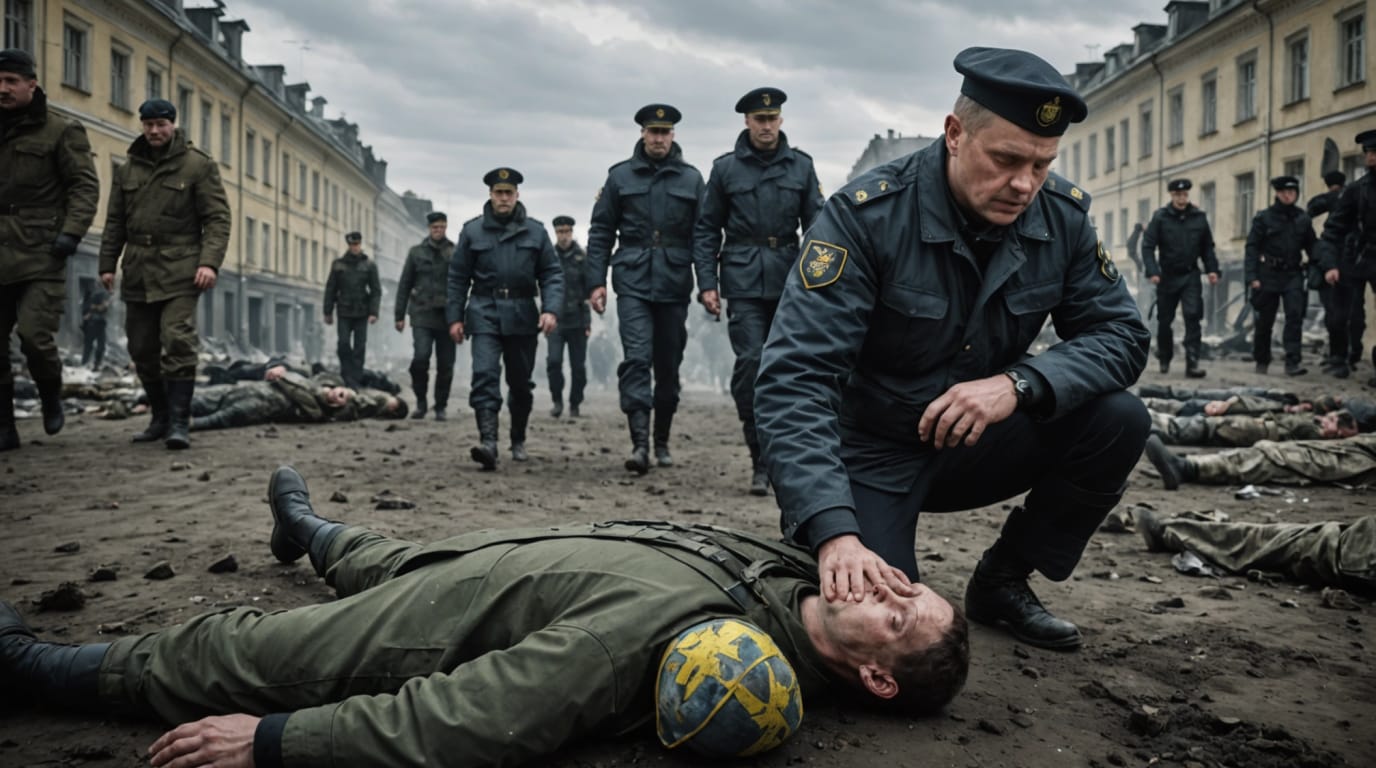
KYIV, Ukraine – Ukraine has received another 1,245 bodies of fallen soldiers and civilians from Russia, marking what Ukrainian officials are calling the final stage of a repatriation agreement brokered during recent peace talks in Istanbul. The grim exchange underscores the ongoing human cost of the conflict, now in its fourth year, even as both sides struggle to find common ground for a lasting ceasefire.
Istanbul Agreement and Repatriation Efforts
The handover, confirmed on Monday by Ukraine's Coordination Headquarters for the Treatment of Prisoners of War (POWs), brings the total number of Ukrainian bodies returned under the Istanbul agreement to 6,057. The agreement, reached during negotiations on June 2, 2025, included provisions for both prisoner exchanges and the repatriation of war dead.
Ukrainian Defence Minister Rustem Umerov acknowledged the completion of this phase of the agreement. "Each of them undergoes identification. Because behind every one of them is a name, a life, a family waiting for answers," Umerov wrote on Facebook. "We are not stopping. Ahead lies the next stage: we continue the fight to bring back our prisoners of war. We bring them back. We remember…"
The operation was a coordinated effort involving Ukraine's Security Service (SBU), the Ombudsman's Office, the military, the Interior Ministry, and other state and defense institutions, with assistance from the International Committee of the Red Cross.
Russia's Account and Allegations of Non-Reciprocity
While Ukrainian officials have highlighted the return of their fallen, Russian state media outlets have presented a different narrative. They confirmed the handover of 1,200 bodies but claimed that Moscow had not received a single Russian corpse in return.
Vladimir Medinsky, an aide to Russian President Vladimir Putin and member of the Russian delegation at the Istanbul talks, stated that Russia had received the bodies of 78 deceased servicemen.
Al Jazeera reported that Russia claims Ukraine has not upheld its part of the deal. Ukraine has yet to comment on these claims. The agreement in Istanbul stipulated that Kyiv and Moscow would each hand over as many as 6,000 bodies and exchange sick and heavily wounded prisoners of war and those aged under 25.
Difficulties in Identification and Allegations of Deliberate Complications
Adding to the distress, Ukrainian Interior Minister Ihor Klymenko alleged that Russia is deliberately complicating the identification process. He stated that bodies are often returned in an extremely mutilated state, with body parts arriving in separate bags, and in some cases, the remains of one individual being delivered in different stages of the repatriation.
Klymenko further claimed that during the latest repatriations, the bodies of Russian soldiers were mixed in with those of Ukrainian servicemen. "This could have been done by the Russians on purpose to increase the number of bodies transferred and to load our (forensic) experts with work, adding to all this cynical information pressure. Or it could be their usual negligent attitude toward their own people," Klymenko said.
These allegations have not been independently verified, and Russian officials have not yet commented on the claims.
The Scale of Losses and the Search for Answers
The exchange of war dead highlights the immense scale of losses suffered by both sides since Russia's full-scale invasion of Ukraine began in February 2022. Neither country regularly discloses its military casualties.
In a rare public estimate, Ukrainian President Volodymyr Zelenskyy told NBC earlier this year that more than 46,000 Ukrainian soldiers had been killed and some 380,000 wounded. Russia has not announced its military deaths since September 2022, when it said fewer than 6,000 soldiers had been killed – a figure widely believed to be a vast undercount.
Independent investigations, using open sources such as death announcements by local officials and family members, have reported massive death tolls for Moscow's army. The independent Russian outlet Mediazona and the BBC's Russian service have identified the names of some 111,000 Russian soldiers killed in the conflict. Mediazona and another independent Russian outlet, Meduza, estimated that, as of Dec. 31, 2024, approximately 165,000 Russian soldiers had been killed in the war, based on probate registry data.
The return of war dead offers a measure of closure for grieving families, but the identification process is complex and lengthy, involving autopsies, DNA investigations, and other procedures. The sheer number of bodies being repatriated places a significant strain on Ukrainian forensic experts.
Implications and the Elusive Search for Peace
The agreement to exchange war dead and prisoners of war was one of the few concrete outcomes of recent peace talks between Russia and Ukraine in Istanbul. However, the allegations of deliberate complications in the identification process and the conflicting narratives surrounding the exchange underscore the deep mistrust and animosity that continue to plague relations between the two countries.
Despite ongoing diplomatic efforts, a comprehensive ceasefire remains elusive. The fighting continues, particularly in eastern Ukraine, and the human cost of the conflict continues to mount. The repatriation of war dead serves as a stark reminder of the urgent need for a peaceful resolution to the conflict, one that respects the sovereignty and territorial integrity of Ukraine and ensures the security of all its people. The coming weeks will be critical as both sides navigate the complexities of prisoner exchanges and the ongoing search for a path to lasting peace.


