Ukraine Scrambles for Air Defense Alternatives Amid Critical Patriot Missile Shortage
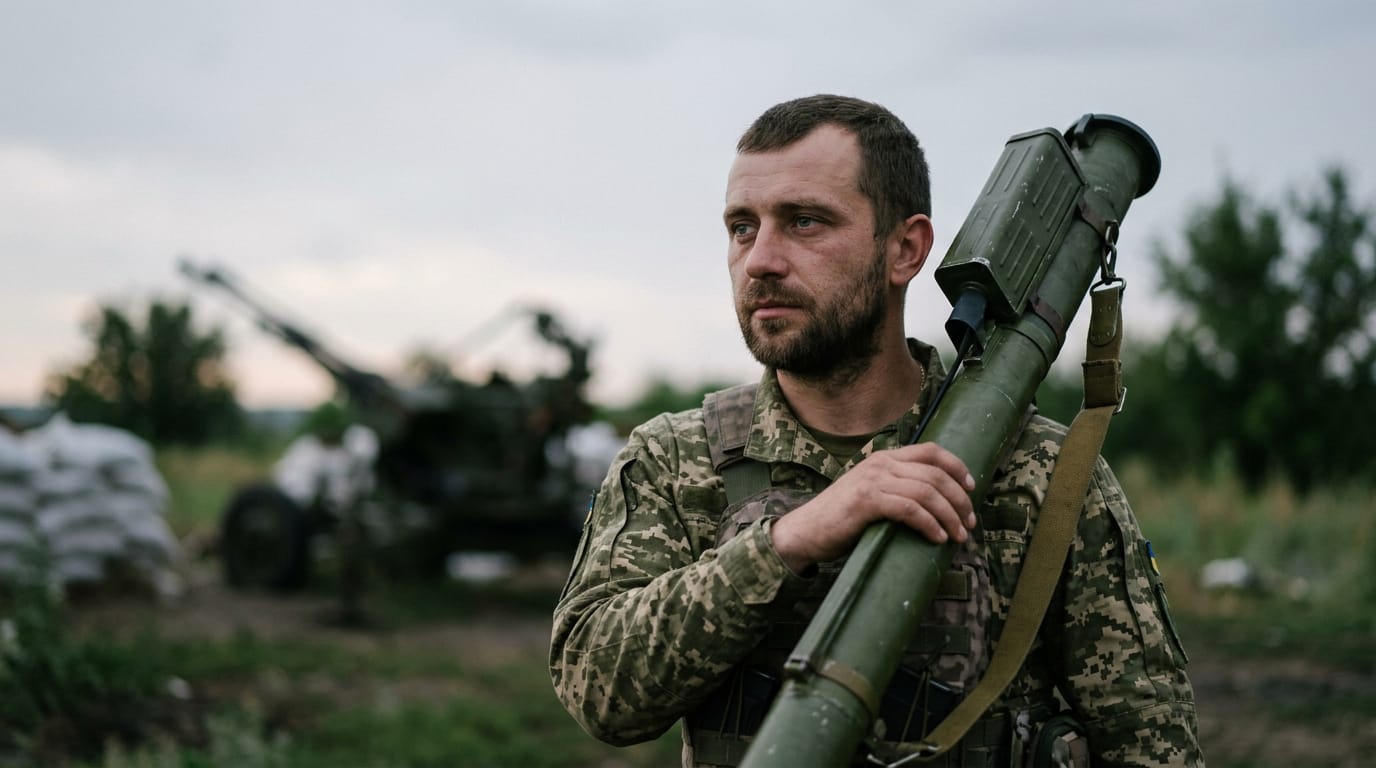
Kyiv, Ukraine – Ukraine is facing a dire and escalating crisis in its air defense capabilities, as dwindling stockpiles of crucial U.S.-made Patriot missile interceptors leave its cities increasingly vulnerable to relentless Russian ballistic missile attacks. With allies reaching the limits of their own inventories and global production struggling to meet demand, Kyiv is urgently exploring a range of alternatives, from advanced European systems to domestic innovations and the modernization of older Soviet-era equipment, in a desperate race to protect its population and critical infrastructure before the anticipated intensification of winter assaults.
The acute scarcity of Patriot interceptors marks a significant inflection point in the ongoing conflict, forcing Ukraine to recalibrate its defensive strategy. Ukrainian President Volodymyr Zelenskyy has underscored the severity of the situation, revealing that deliveries of air-defense interceptors from partner countries in 2026 have plummeted to merely a third of what they were in the same period of 2025. This shortfall has been graphically illustrated by recent events, where Ukrainian forces failed to intercept a single Russian missile during a large-scale overnight attack in early August, despite the presence of advanced systems. In July alone, Ukraine managed to intercept only 29 out of 195 Russian ballistic missiles, a stark indicator of the widening gap in its air shield.
The Patriot Predicament: Exhausted Inventories and Production Bottlenecks
The Patriot missile system has proven indispensable to Ukraine's defense, offering the most robust protection against Russia's formidable ballistic missile arsenal. However, the high operational tempo of the war, coupled with geopolitical factors, has rapidly depleted available stocks. The United States, a primary supplier, has seen its own Patriot interceptor inventories significantly reduced, primarily due to heightened global demand and a major conflict involving Iran that necessitated extensive use of these missiles. Estimates suggest U.S. stockpiles have fallen to around 800 to 900 interceptors, a level below which war planners are reluctant to descend, severely limiting further transfers to Ukraine.
Compounding the issue is the inherent challenge of missile production. While Lockheed Martin, the primary contractor for PAC-3 MSE interceptors, has ramped up production from an annual rate of 300 to 600 missiles, achieving the target of 2,000 per year is not expected until at least 2030. Boeing is also working to increase the production of homing missile warheads, a critical component. This protracted timeline means new production will not offer immediate relief. European allies, equally pressured, face a difficult balancing act between supporting Ukraine and safeguarding their own national defense requirements and NATO commitments. Many have publicly stated they have already donated what they can spare from their Patriot inventories. Ukrainian Foreign Minister Andrii Sybiha encapsulated the urgency, stating, "We are literally fighting for every missile."
Seeking Immediate Relief: European Systems and Modernized Assets
In response to the critical deficit, Ukraine is intensifying its efforts to secure alternative air defense solutions, with a significant focus on European partners. A major development is Ukraine's order for four next-generation Franco-Italian SAMP/T NG air defense systems, making it the first country to deploy this advanced system in combat. Designed to counter aircraft, cruise missiles, and ballistic threats, the SAMP/T NG utilizes the Aster 30 interceptors, with initial deliveries of the new systems projected for 2027. To bridge the immediate gap, France has committed to temporarily supplying two existing SAMP/T batteries.
Beyond the SAMP/T, Ukraine is also leveraging and seeking more of the National Advanced Surface-to-Air Missile Systems (NASAMS). These Norwegian-American systems have demonstrated remarkable effectiveness, destroying approximately 900 air targets with a 94% efficiency rate in Ukraine. However, NASAMS are primarily effective against cruise missiles and aircraft, not the ballistic missiles that pose the most significant threat to Ukrainian cities. Germany has also pledged additional radar and air defense systems, including IRIS-T, another highly capable short-to-medium range system.
Another immediate strategy involves the modernization of existing Soviet-designed S-300 missiles. A joint Ukrainian-American project is slated to begin later this year to upgrade these older systems, aiming to partially offset the Patriot shortfall. This approach acknowledges the reality of limited advanced Western systems and seeks to maximize the utility of available platforms.
Long-Term Vision: Domestic Production and Strategic Adaptations
Looking beyond immediate aid, Ukraine is actively pursuing long-term solutions, including fostering domestic production and exploring innovative, cost-effective alternatives. The European-backed Freyja coalition, led by Ukrainian defense company Fire Point, is developing a cheaper interceptor, the FP7.X. This project aims to combine the domestic interceptor with European radar, guidance, and command technology. With a target cost of less than €1 million per interceptor, significantly below the multi-million dollar price tag of a Patriot missile, this initiative addresses the economic strain of high-volume interception. The first successful interception is optimistically targeted for mid-2027, compressing a development timeline that would typically span decades.
Ukraine has also pressed for the licensed production of Patriot missiles on its own soil. While discussions are ongoing, such initiatives face considerable hurdles, including concerns over intellectual property security and the sheer complexity of establishing advanced manufacturing capabilities amidst ongoing conflict. Some fear that Ukrainian manufacturers might streamline the system, creating a more cost-effective version that could pose commercial competition.
Furthermore, Kyiv is intensifying diplomatic efforts beyond its traditional Western allies. President Zelenskyy has specifically appealed to South Korea for air defense systems, drawing a connection to North Korea's deepening military support for Russia and emphasizing the broader geopolitical implications.
Strategic Implications and Human Cost
The dwindling air defense capacity carries profound strategic and humanitarian implications for Ukraine. The increased success rate of Russian ballistic missiles translates directly into more widespread destruction of civilian infrastructure, residential areas, and critical facilities. The recent failure to intercept Russian missiles during a major attack, which Latvian Foreign Minister Baiba Braze witnessed firsthand while in Kyiv, underscores the immediate danger to human lives and resilience.
Military analysts warn that this shortage could embolden Russia, encouraging it to prolong the conflict and intensify its aerial bombardment campaigns, believing Ukraine's defenses can be overwhelmed. The pressure on Ukraine's military is immense, potentially leading to forced withdrawals on the battlefield as critical military sites become harder to defend. In response, Ukraine is also adapting its offensive strategies, including intensifying deep-strike efforts aimed at destroying Russian missile launchers before they can fire, though locating these mobile systems remains a significant challenge. Ukraine has even ceased publicly reporting Russian missile interception figures, a move that highlights the severity of the situation and perhaps aims to manage public perception while scrambling for solutions.
As winter approaches, bringing with it the historical precedent of intensified Russian attacks on energy infrastructure, the race to secure and deploy effective air defenses becomes even more critical. The international community faces a renewed call to action, needing to balance its own security needs with the urgent imperative to provide Ukraine with the means to defend itself. The trajectory of the conflict, and the fate of countless Ukrainian lives, hinges significantly on the success of these multifaceted efforts to rebuild and diversify Ukraine's air shield.


