Ukraine's Drone Defense Expertise Becomes Key for Gulf States Amid Escalating Iranian Threat
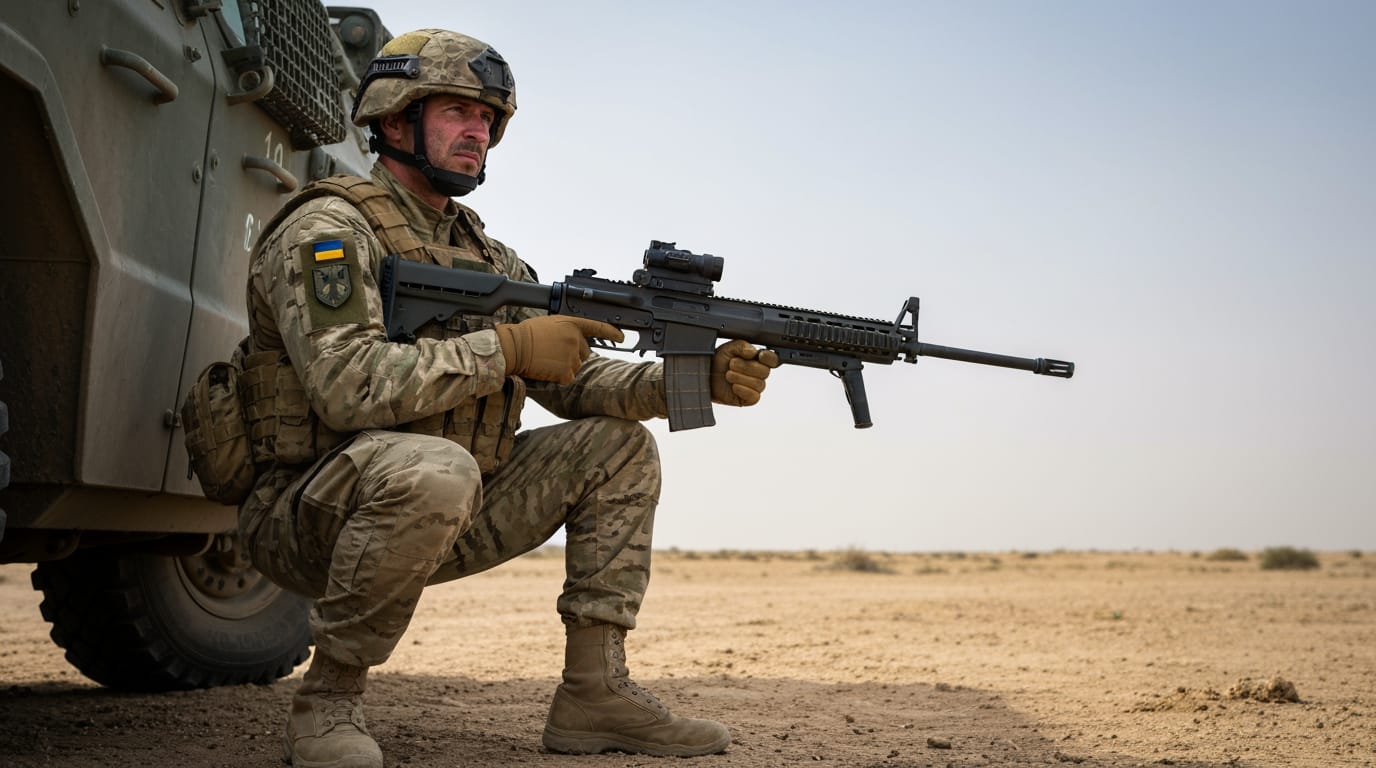
In a significant shift in regional security dynamics, Ukraine is poised to lend its hard-won expertise in countering Iranian-designed drones to Gulf states facing an increasing barrage of unmanned aerial vehicle (UAV) attacks. Kyiv, which has spent years developing robust, cost-effective defenses against Russia's extensive use of Iranian Shahed-136 kamikaze drones, is now engaging with countries across the Middle East to share its battle-tested strategies and technologies. This emerging cooperation underscores the growing global challenge posed by Iranian drone proliferation and highlights Ukraine's unexpected role as a critical partner in addressing this modern threat.
The Global Shadow of Iranian Drones
The proliferation of Iranian attack UAVs has become a paramount global security concern, with these systems appearing in conflict zones from Ukraine to the Red Sea. Iran has steadily expanded its drone production and export, supplying these weapons to proxies in Yemen, Iraq, Syria, and, most notably, to Russia for use in its full-scale invasion of Ukraine. These drones, particularly the Shahed-136, have proven to be a versatile and disruptive tool, capable of overwhelming advanced air defense systems due to their low cost, sheer numbers, and swarming tactics.
In the Middle East, Iranian drones have been employed in attacks against US military bases, critical infrastructure in Saudi Arabia and the United Arab Emirates, and international shipping lanes. The use of these drones by Houthi rebels in Yemen against Saudi Arabia and the UAE, for instance, has demonstrated their capacity to inflict damage and destabilize the region. More recently, following a major escalation, Iran launched hundreds of drones and missiles directly at Gulf Cooperation Council (GCC) states and other regional targets, posing an unprecedented challenge to their air defenses. While missile interceptions often showed high success rates, drones proved more difficult to repel, with several penetrating defenses and causing damage. This sustained and escalating threat has compelled Gulf nations to seek more resilient and economical counter-drone solutions.
Ukraine's Hard-Won Counter-Drone Innovations
Ukraine stands uniquely positioned to assist. For over two years, its military has been at the forefront of developing countermeasures against the Russian-modified Iranian Shahed drones, often referred to as Geran-2. This prolonged exposure to large-scale, daily drone attacks has forced Ukraine to innovate beyond traditional, expensive air defense systems.
Ukrainian forces have developed a multi-layered approach that includes electronic warfare to disorient drone navigation, mobile gun teams equipped with anti-aircraft guns mounted on pick-up trucks, and the deployment of specialized interceptor drones. These interceptor drones, such as the Ukrainian-made Sting, are designed to engage and destroy incoming Shaheds mid-air at a significantly lower cost than conventional missiles. Reports indicate that Ukraine's rapidly expanding drone industry is now producing over a thousand interceptor drones daily, with some costing as little as a few thousand dollars, a stark contrast to the millions spent on high-end interceptor missiles. This practical experience has provided Ukraine with unparalleled knowledge in identifying, tracking, and neutralizing Iranian-designed UAVs, offering valuable insights into their operational patterns, vulnerabilities, and effective counter-tactics.
Gulf States Seek Critical Expertise
The immediate need for effective and affordable counter-drone capabilities in the Gulf is pressing. Existing air defense systems, including sophisticated US-made Patriots and THAADs, have proven effective against ballistic missiles, but their use against cheap, expendable drones presents a significant cost-exchange problem. Intercepting a $30,000 Shahed drone with a multi-million-dollar missile is economically unsustainable in the long term. Moreover, the sheer volume of drone attacks risks exhausting missile stockpiles.
This economic disparity has spurred Gulf countries to look for more sustainable alternatives. They have acknowledged that despite substantial defense spending, they remain vulnerable to drone warfare, and saturation attacks pose a serious concern. Reports suggest that Gulf air defense systems often rely heavily on US-enabled radar coverage and early warning systems, highlighting a potential over-reliance on external support for certain aspects of their defense architecture. With the US seeking to reduce its military presence in the Middle East, Gulf governments have expressed concern about the reliability of US defense in times of need. Consequently, the prospect of acquiring Ukrainian expertise and technology to develop indigenous, low-cost counter-drone layers, including electronic warfare, jammers, and mobile gun teams, is gaining traction.
A New Axis of Security Cooperation
Ukrainian President Volodymyr Zelenskyy has confirmed that the United States and various Gulf states, including the United Arab Emirates, Qatar, Bahrain, Jordan, and Kuwait, have approached Kyiv for assistance in countering Iranian drones. Ukraine has signaled its readiness to share its experience and dispatch military drone specialists to the region. While precise details are still under discussion, potential cooperation could involve sharing technical databases, identification methods, operational doctrine, and possibly the sale of Ukrainian interceptor drones.
The United Kingdom has also indicated its intention to deploy British and Ukrainian experts to the Gulf to support partners in fending off Iranian drone attacks, further solidifying this emerging security collaboration. European Union High Representative for Foreign Affairs Kaja Kallas noted that Middle Eastern countries were surprised by Ukraine's willingness to help, given Kyiv's own ongoing conflict, and encouraged sustained contact between Gulf nations and Ukraine.
This cooperation carries significant geopolitical implications. For Ukraine, sharing its expertise not only positions it as a valuable security partner but also potentially provides leverage for its own defense needs. Zelenskyy has suggested that in return for anti-drone assistance, Gulf countries could provide Kyiv with missiles for Western-supplied air defense systems and diplomatic support to end the war with Russia. For the US and its allies, leveraging Ukraine's experience represents an opportunity to adapt to the evolving nature of drone warfare, addressing a perceived "disconnect" between Ukrainian combat experience and its institutionalization within US military strategies.
Conclusion
The evolving dynamic between Ukraine and Gulf states signifies a pivotal moment in global efforts to combat the pervasive threat of Iranian drone technology. Ukraine's unique and hard-won expertise offers a pragmatic, cost-effective pathway for Middle Eastern nations to bolster their defenses against continuous drone attacks, which have proven costly and challenging to intercept with conventional systems. This emerging partnership, driven by shared security concerns, not only reshapes regional alliances but also underscores Ukraine's growing influence as an innovator in modern warfare. As discussions progress and specialists deploy, the lessons learned on the battlefields of Ukraine could prove instrumental in securing the skies over the Gulf, marking a significant step in the global response to the widespread proliferation of unmanned aerial threats.


