Middle East Conflict Roils Global Air Travel, Stranding Passengers and Raising Costs
The skies above the Middle East, once vital arteries for international aviation, have become a landscape of uncertainty and disruption, as escalating regional tensions involving Iran force widespread flight cancellations, rerouting, and mounting financial strain on the global airline industry and travelers alike. The ongoing conflict, marked by military actions, airspace closures, and heightened security concerns, has plunged a critical crossroads of air travel into disarray, impacting millions of passengers and challenging the fragile recovery of the aviation sector.
The ripple effects of this instability extend far beyond the immediate conflict zones, transforming established flight paths, hiking operational costs for airlines, and instilling anxiety in travelers worldwide. Industry analysts and travel organizations are closely monitoring the situation, recognizing that prolonged turmoil could lead to significant long-term shifts in global aviation patterns.
The Sky's New Labyrinth: Airspace Closures and Rerouting
One of the most immediate and profound consequences of the Middle East conflict has been the dramatic restructuring of global flight paths. Widespread airspace closures across a swathe of nations, including Iran, Iraq, Syria, Israel, Jordan, Qatar, Bahrain, Kuwait, and the United Arab Emirates, have rendered direct routes between continents perilous or entirely unviable.
Airlines have been compelled to reroute flights around these restricted areas, adding considerable mileage, flight time, and operational complexity to journeys. This navigational challenge translates directly into increased fuel consumption and higher costs. For example, major carriers like Emirates and Qatar Airways, whose hubs are central to east-west travel, have drastically reduced their schedules, with Middle East-domiciled airlines experiencing a significant 52-60% decline in flights year-on-year in March. Even airlines not directly serving the region are grappling with altered route structures and a tighter global capacity, illustrating the interconnected nature of the global aviation system.
Economic Turbulence for Carriers: Rising Costs and Shrinking Margins
The financial toll on the airline industry is substantial and multifaceted. A primary concern is the dramatic surge in jet fuel prices, which have reportedly risen by nearly 84% since February 28, 2026, according to Reuters. Fuel typically accounts for 25-30% of an airline's operating expenses, making such an increase a severe blow to profitability. While some carriers benefit from fuel hedging strategies, these protections are beginning to wane as the conflict persists.
Beyond fuel, airlines face a spectrum of increased operational costs, including higher insurance premiums due to elevated regional risks. The necessity of longer, indirect routes further exacerbates these expenses, leading to reduced profitability and intense pressure on already thin airline margins. Industry experts anticipate that airlines will likely pass a portion of these increased costs onto consumers, with ticket prices potentially rising by approximately 9%. The International Air Transport Association (IATA) has reported that while revenue passenger kilometers (RPKs) – a measure of total air travel demand – were up 2.1% globally, overall capacity decreased by 1.7% due to the conflict in March. Middle Eastern airlines, specifically, saw a staggering 60.8% drop in international air travel demand during the same month.
Travelers Under Pressure: Anxiety, Cancellations, and Higher Fares
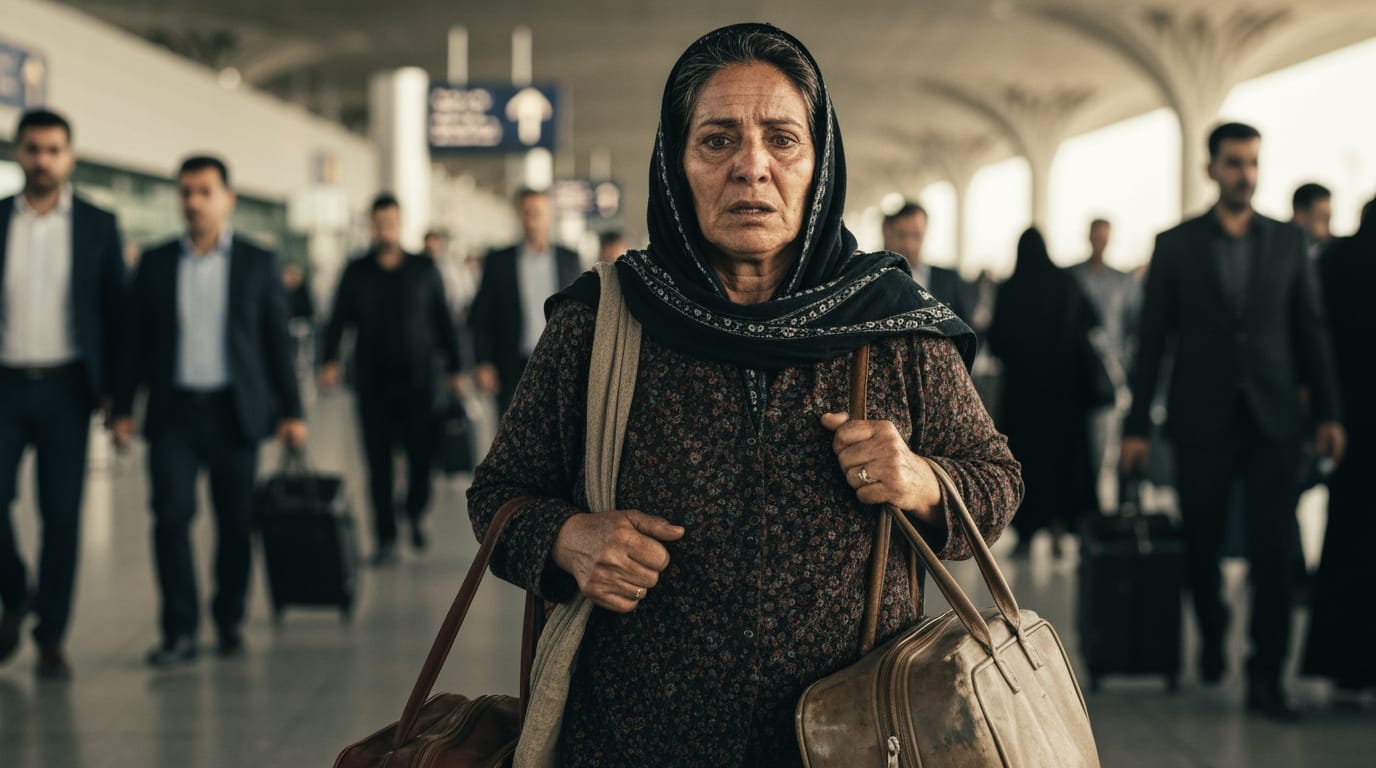
For travelers, the consequences have been immediate and often distressing. Tens of thousands of flights have been canceled, leaving hundreds of thousands of passengers stranded at airports worldwide. Key aviation hubs in the Gulf, such as Dubai, Doha, and Abu Dhabi, which collectively handle around 526,000 passengers daily, have experienced significant disruptions, impacting travel not only to the Middle East but also to the Indian subcontinent, Africa, and Asia/Pacific.
Governments from the U.S., U.K., Australia, and Canada have issued widespread travel warnings, advising citizens against non-essential travel to affected regions and, in some cases, urging immediate departure. This climate of geopolitical instability and the fear of the unknown have severely undermined traveler confidence, leading to booking slowdowns and cancellations across the Middle East tourism sector. The World Travel and Tourism Council (WTTC) estimates a decline of at least $600 million per day in international visitor spending due to the conflict, with potential revenue losses ranging from $34 to $56 billion and a loss of 23 to 38 million international visitors in the Middle East for 2026.
Adding to passenger woes, the Red Sea crisis, involving Houthi attacks on commercial vessels, has also contributed to air travel disruptions. The diversion of sea freight has led to a surge in demand for air freight, increasing cargo volumes on passenger aircraft and potentially impacting cargo space and pricing for travelers.
A Volatile Geopolitical Landscape: Beyond Direct Conflict
The current situation is often characterized by terms such as "escalating tensions involving Iran" or "Middle East conflict," reflecting a complex interplay of geopolitical forces rather than a singular, declared war in the traditional sense. These tensions have manifested in various forms, including military actions, retaliatory strikes, and threats that necessitate stringent safety measures for civilian air traffic. The airspace over regions considered high-risk, such as those above Iran, Iraq, and Syria, has been either closed or deemed too dangerous for routine commercial flights, forcing extensive detours.
Even a temporary ceasefire, such as the one observed in April, while offering some relief and partial reopening of airspace, has not fully alleviated concerns. Risks remain elevated, and the industry is grappling with the possibility that such temporary adjustments might evolve into longer-term changes in global aviation infrastructure and operational strategies.
Conclusion: Navigating an Unpredictable Horizon
The ongoing Middle East conflict presents a formidable challenge to the global airline industry and millions of travelers, underscoring the deep interconnectedness of geopolitics and global mobility. While the aviation sector has historically demonstrated remarkable resilience in the face of crises, the current situation demands continuous adaptation and strategic foresight. The immediate future points to continued higher costs for airlines, potentially leading to increased ticket prices and longer travel times for passengers. The critical reliance on global hubs in the Middle East means that disruptions in this region cascade rapidly across international networks, impacting diverse industries from tourism to supply chains.
As the situation remains fluid, stakeholders across the aviation and travel sectors are left to navigate an unpredictable horizon, hoping for de-escalation while preparing for potential long-term shifts in global travel patterns and operational realities.


