Ukraine's Lithium Deposits: A Potential Game-Changer Caught in the Crossfire
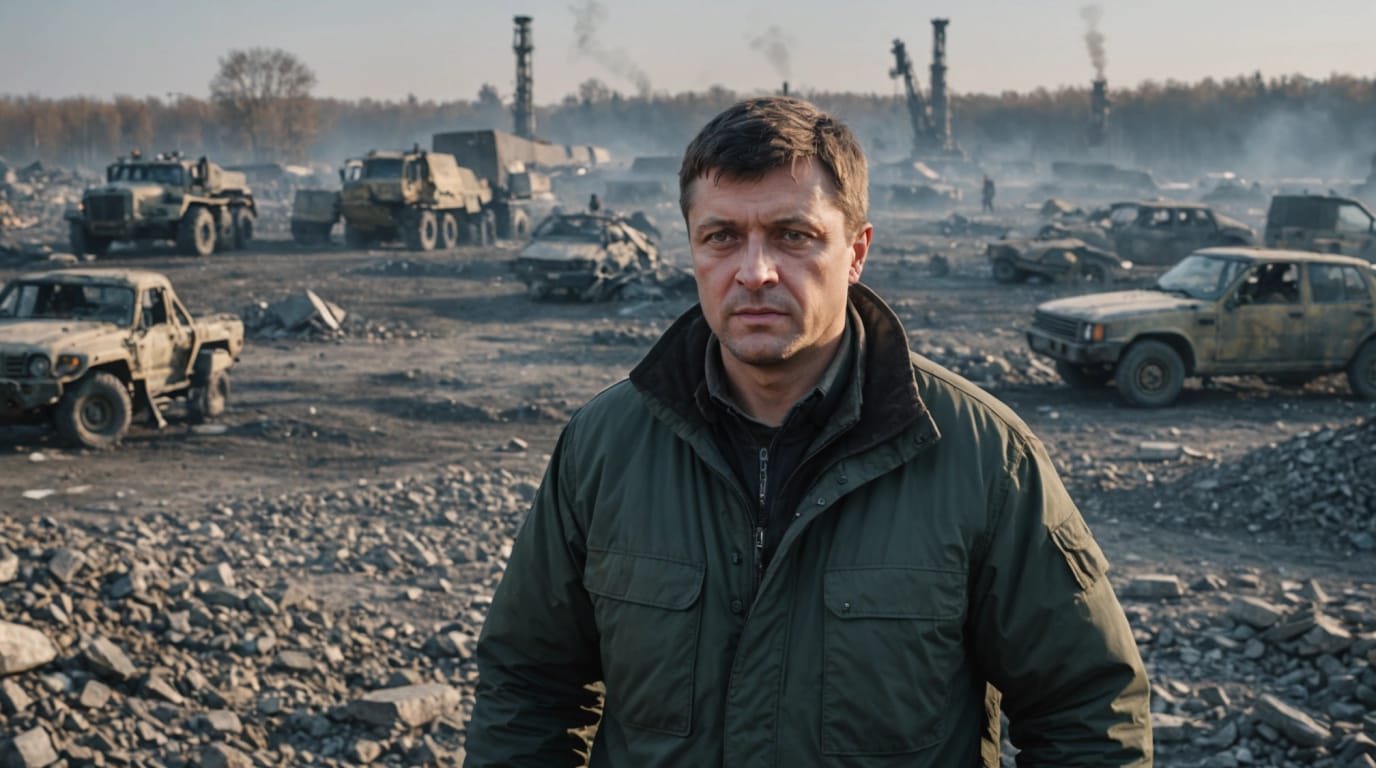
Ukraine possesses some of Europe's largest untapped lithium reserves, a critical mineral for batteries used in electric vehicles, renewable energy storage, and various electronic devices. These deposits, estimated at potentially 500,000 tons, have the potential to transform Ukraine's economy and contribute significantly to Europe's energy independence. However, the ongoing conflict with Russia casts a long shadow over these prospects, with control of key deposit areas contested and development plans disrupted.
Untapped Potential: Ukraine's Lithium Riches
Lithium, often referred to as "white gold," is a vital component in the global transition to green energy. Ukraine's reserves place it among the top three European countries, alongside the Czech Republic and Serbia, in terms of lithium potential. The most significant deposits are located in the Kirovohrad, Donetsk, and Zaporizhzhia regions. Specifically, the Polokhivske deposit and Dobra site in Kirovohrad, Shevchenkivske in Donetsk, and Kruta Balka in Zaporizhzhia are considered the most prominent. The Shevchenkivske deposit alone is estimated to hold 90% of the country's total lithium reserves.
Prior to the full-scale invasion in 2022, there was growing interest in developing these resources. In 2017, a Ukrainian company secured a permit to extract lithium from the Polokhivske deposit, with plans for substantial ore production. The Ukrainian government was also exploring partnerships with other countries, including the United States, to facilitate the extraction and processing of these minerals. These partnerships aimed to attract foreign investment and expertise, boosting Ukraine's economy and integrating it further into the global supply chain for critical minerals.
Conflict and Control: Russia's Impact on Lithium Access
The Russian invasion has significantly impacted Ukraine's ability to leverage its lithium resources. Since 2022, Russian forces have captured territories containing lithium deposits, including areas in the Zaporizhzhya and Donetsk regions. Fierce fighting continues near Shevchenko, a settlement close to one of Ukraine's largest lithium deposits, with Russian troops controlling most of the town as of January 2025.
The loss of control over these deposits poses a significant threat to Ukraine's economic prospects and Europe's energy independence. If Russia maintains control over these areas, it could potentially deprive Kyiv of a key economic resource and hinder Europe's access to a crucial component for green technologies. Some experts believe that securing these mineral resources is one reason Ukraine is important to Russia. While Russia itself possesses significant lithium reserves, gaining control over Ukraine's deposits would further solidify its position in the global lithium market.
Environmental and Economic Concerns: Balancing Benefits and Risks
Even in the absence of conflict, the development of lithium mines raises environmental and economic concerns. Residents in areas like Kopanky, near the Polokhivske deposit, express cautious optimism about potential job creation and economic benefits. However, they also worry about the environmental impact of mining activities. Concerns include potential water contamination, soil degradation, and the destruction of local ecosystems.
Some residents have witnessed the negative consequences of previous mining operations in the region, including uranium and titanium mines. They fear that lithium extraction could exacerbate these problems, leading to further environmental damage and health risks. Balancing the economic benefits of lithium mining with the need to protect the environment and ensure the well-being of local communities is a critical challenge. Environmental impact assessments and sustainable mining practices are essential to mitigate these risks.
The Path Forward: Hope for Future Development
Despite the current challenges, there remains hope that Ukraine can eventually develop its lithium resources and contribute to Europe's energy transition. Experts suggest that if stability is restored, these resources could become a cornerstone of Europe's strategic autonomy in critical minerals. However, realizing this potential requires several key steps.
First and foremost, a peaceful resolution to the conflict is essential. Regaining control over the territories containing lithium deposits is crucial for Ukraine to benefit from these resources. Second, attracting foreign investment and expertise will be vital for developing the necessary infrastructure and technology for lithium extraction and processing. Finally, implementing strict environmental regulations and engaging with local communities are necessary to ensure that mining activities are sustainable and do not harm the environment or the health of residents.
Conclusion: Awaiting a Sustainable and Peaceful Future
Ukraine's lithium deposits represent a significant opportunity for economic growth and energy independence. However, the ongoing conflict with Russia poses a major obstacle to realizing this potential. While the future remains uncertain, the hope is that a peaceful resolution will pave the way for the sustainable and responsible development of these valuable resources, benefiting both Ukraine and Europe as a whole. The development of Ukraine's lithium deposits could not only bolster the nation's economy but also play a crucial role in the global shift towards sustainable energy solutions.


