Ukraine's Neptune Missile: A New Long-Range Threat Shifts the War's Calculus
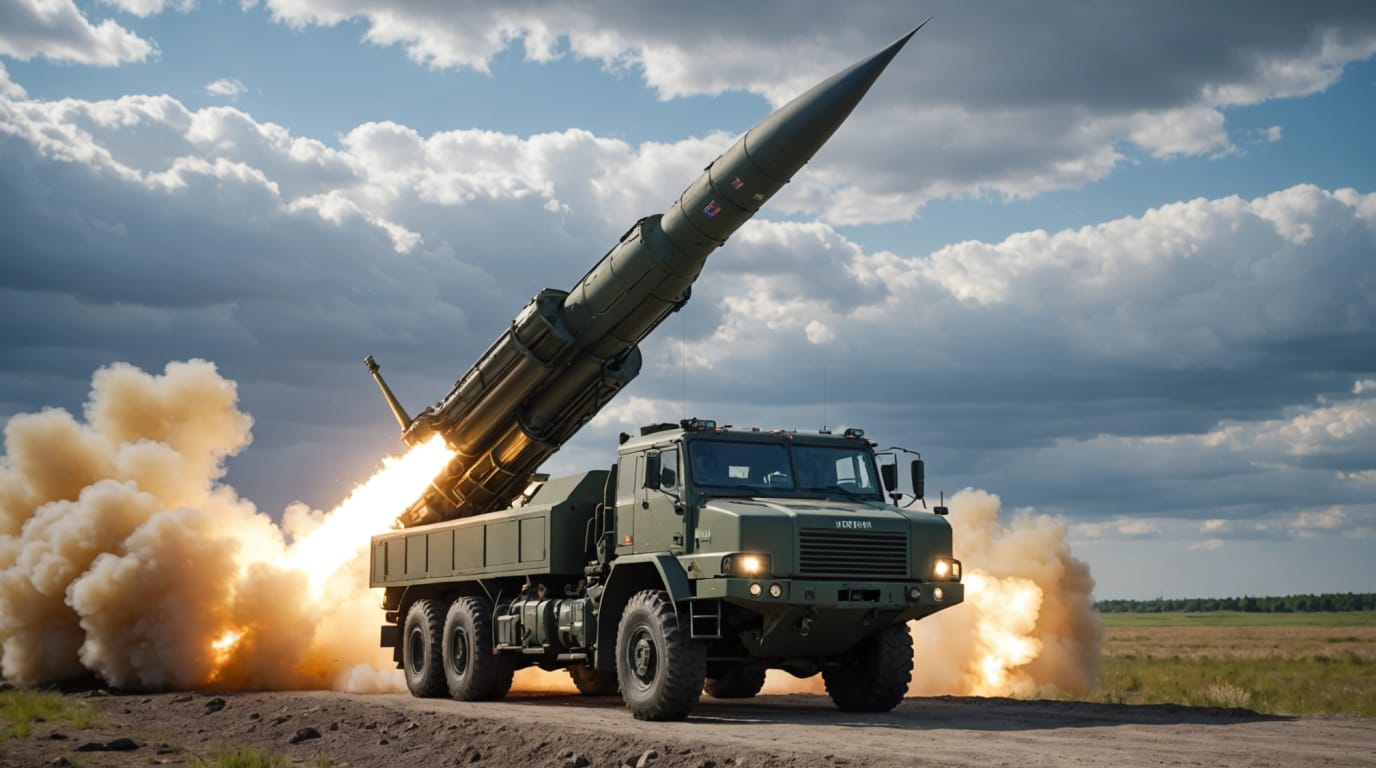
In a significant development that could alter the course of the conflict, Ukraine has successfully deployed an upgraded version of its domestically produced Neptune cruise missile, now capable of striking targets up to 1,000 kilometers (621 miles) away. This enhanced capability, demonstrated in recent attacks on Russian territory, marks a new phase in the war, extending Ukraine's reach and posing a direct threat to strategic assets deep within Russia.
From Coastal Defense to Long-Range Strike
The Neptune missile, originally designed as an anti-ship missile, has undergone significant modifications to become a potent land-attack weapon. The R-360 Neptune was first showcased in 2015, with a range of up to 300 kilometers. It is based on the Soviet Kh-35 anti-ship missile but features enhanced range, targeting capabilities, and electronics. Its initial success came in 2022 when it was credited with sinking the Russian Black Sea Fleet flagship, the cruiser Moskva. Since then, Ukrainian engineers have worked to extend the missile's range and adapt its guidance systems for land-based targets, resulting in the "Long Neptune."
The development of the Long Neptune is a crucial achievement for Ukraine, granting it a level of strike capability previously reliant on Western-supplied systems like Storm Shadow. Unlike these, the Neptune is domestically produced, giving Ukraine greater control over its deployment and reducing dependence on foreign aid.
Targeting Russian Infrastructure
The Long Neptune's capabilities were recently on display in a strike on a Russian oil refinery in Tuapse, located in the Krasnodar Krai region, approximately 483 kilometers (300 miles) from the front lines. The attack caused a large fire that burned for two days, severely damaging the facility, which is capable of processing 12 million tons of oil annually. This strike demonstrated the missile's accuracy and destructive potential, raising concerns about the vulnerability of other critical infrastructure within Russia.
Ukrainian officials have stated that the Long Neptune can strike most of the strategic Russian military infrastructure, including critical command centers in Moscow, Rostov, Volgograd, and St. Petersburg. It also allows Ukraine to more effectively strike Russian military and air bases that they could only attack with drones before, most notably the Engels, Yeysk, Astrakhan, and Morozovsk strategic air bases, which Russians used to launch strategic bombers to conduct strikes on Ukrainian civilian and military targets.
Strategic Implications and Potential Impact
The introduction of the Long Neptune has several significant strategic implications for the conflict:
- Expanded Target Range: The 1,000-kilometer range puts key Russian assets within reach, including military bases, logistical hubs, and critical infrastructure. This forces Russia to consider the vulnerability of areas previously considered safe from attack.
- Increased Self-Sufficiency: As a domestically produced weapon, the Long Neptune reduces Ukraine's reliance on Western-supplied missiles, providing greater autonomy in its military operations.
- Deterrent Effect: The missile serves as a deterrent against further Russian aggression, demonstrating Ukraine's ability to retaliate against attacks on its territory.
- Shifting Naval Dynamics: The original Neptune's anti-ship capabilities already impacted Russian naval operations in the Black Sea. The extended range of the Long Neptune further complicates Russia's naval strategy, potentially forcing them to relocate assets further from the Ukrainian coast.
Captain Dmytro Pletenchuk, a spokesman for the Naval Forces of the Armed Forces of Ukraine, stated that Russian ships have not been seen in the Black Sea for several days, attributing this to the "impact" of the Neptune missile.
Production and Future Prospects
While the Long Neptune represents a significant advancement, questions remain about its production capacity and overall impact on the war. President Zelenskyy announced plans to produce up to 3,000 cruise missiles in 2025, though it is unclear how many of these will be Neptune variants. Some experts estimate that Ukraine could produce between 30 and 60 of these missiles per month.
The missile's effectiveness will also depend on Russia's ability to adapt its defenses. Cruise missiles like the Neptune are slower and have smaller warheads compared to ballistic missiles, making them potentially easier to intercept. However, their low-altitude flight profiles and sophisticated guidance systems make them challenging targets.
A New Chapter in the Conflict
The emergence of Ukraine's Long Neptune missile marks a significant turning point in the conflict with Russia. By extending its reach and increasing its self-sufficiency, Ukraine has demonstrated its ability to innovate and adapt in the face of ongoing aggression. While the ultimate impact of this weapon remains to be seen, it undoubtedly adds a new layer of complexity to the war and raises the stakes for both sides. The ability to strike targets deep within Russia could force a reassessment of military strategies and potentially open new avenues for negotiation and de-escalation.


