Ukrainian Forces Retreat From Kursk as Russian Counteroffensive Gains Momentum
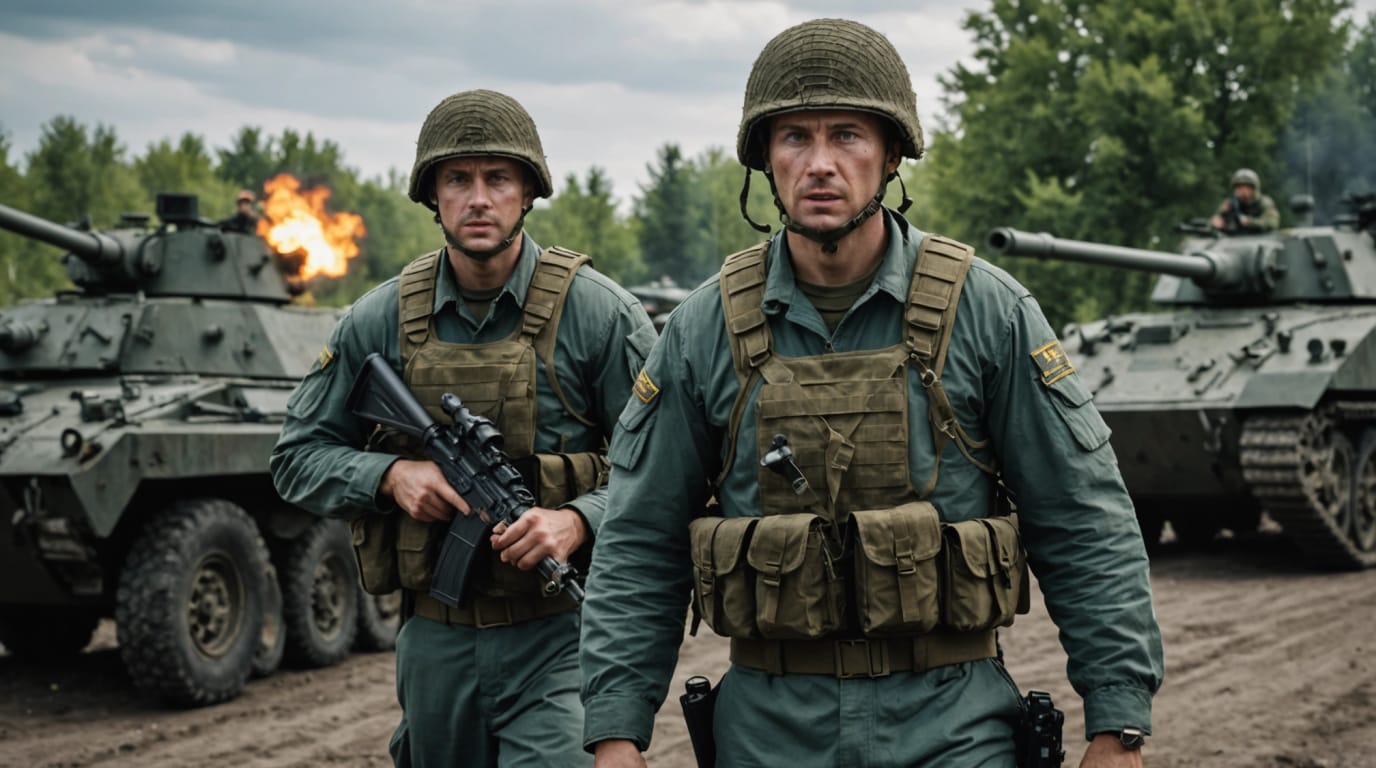
After months of intense fighting, Ukrainian forces are retreating from the Kursk region of Russia, facing a renewed and forceful Russian counteroffensive. The withdrawal marks a significant shift in the dynamics of the conflict, raising questions about the strategic implications for both sides and the potential impact on ongoing ceasefire negotiations.
The Ukrainian Incursion
In August 2024, the Armed Forces of Ukraine launched a surprise incursion into Russia's Kursk Oblast, marking the first time since World War II that Russian territory had been occupied by a foreign military. The offensive, which caught both Russia and Ukraine's allies off guard, aimed to achieve several strategic objectives.
- Diverting Russian Forces: One primary goal was to draw Russian troops away from the intense fighting in eastern Ukraine, particularly the Donbas region, where Russia had been making steady advances. By opening a new front in Kursk, Ukraine hoped to stretch Russian resources and slow their progress in the east.
- Creating a Bargaining Chip: Ukrainian leaders also aimed to seize territory that could be used as leverage in future peace negotiations with Russia. The hope was that controlling Russian land would give Ukraine a stronger position in any potential truce talks.
- Boosting Morale: The incursion provided a significant morale boost for Ukrainian troops and their supporters, demonstrating that Ukraine could still take the initiative and strike back against Russia.
- Exposing Russian Weaknesses: The operation exposed vulnerabilities in the Russian military and regional power structures, forcing them to adapt to conditions of de facto martial law.
At its peak, the Ukrainian operation extended to a pocket of territory measuring approximately 1,300 square kilometers (500 square miles), including the town of Sudzha and about 100 other towns and villages. Ukraine established a military administration for the territory, providing humanitarian aid and maintaining public order.
The Russian Counteroffensive
In recent weeks, Russia has launched a determined counteroffensive to regain control of the Kursk region. The offensive has gained momentum, pushing Ukrainian forces back and leading to the recapture of key settlements.
- Intensified Attacks: Russian forces intensified their attacks in the Kursk region, launching numerous assaults and employing electronic warfare to disrupt Ukrainian drone operations.
- Recapture of Territory: The Russian military has announced the recapture of numerous settlements, including Melovoy, Podol, and Sudzha, the largest town previously under Ukrainian control.
- "Operation Pipeline": Reports have emerged of innovative Russian tactics, including a "pipeline sneak attack" where soldiers infiltrated Ukrainian defenses by crawling through an unused gas pipeline.
- Involvement of North Korean Forces: Some reports indicate that North Korean soldiers have been involved in the Russian counteroffensive, adding another dimension to the conflict.
As of March 11, 2025, Russian forces had reportedly reclaimed over 100 square kilometers (38.6 square miles) of territory and 12 villages from Ukrainian forces in the Kursk region. By March 13, Russia claimed to have retaken control of Sudzha, a strategically important town.
The Retreat and its Implications
Faced with the mounting Russian pressure, Ukrainian forces have begun to retreat from the Kursk region. The withdrawal has several significant implications:
- Loss of a Bargaining Chip: The loss of territory in Kursk diminishes Ukraine's leverage in potential peace negotiations with Russia.
- Strain on Resources: The Kursk operation stretched Ukrainian resources thin, potentially weakening their ability to hold the line in other critical areas of the front.
- Morale Impact: The retreat could negatively impact the morale of Ukrainian troops and their supporters, who had seen the Kursk incursion as a sign of hope.
- Potential for a Buffer Zone: Some analysts suggest that Russia may attempt to create a buffer zone in the Sumy region, along the Ukrainian border, to prevent future incursions.
Ukrainian officials maintain that the situation is under control and that troops are taking measures to maneuver to more favorable defensive lines. However, the loss of Sudzha and other settlements represents a setback for Ukraine's strategic objectives.
Ceasefire Negotiations and International Involvement
The developments in Kursk come amid ongoing efforts to negotiate a ceasefire between Russia and Ukraine. The United States has proposed a 30-day ceasefire, and both sides have expressed tentative agreement, though the terms remain to be worked out.
- Trump's Intervention: Former U.S. President Donald Trump has urged Russian President Vladimir Putin to avoid a "horrible massacre" in Kursk, prompting Putin to state that Russia would spare the lives of Ukrainian soldiers if they surrender.
- US Intelligence Cutoff: A temporary pause in U.S. intelligence sharing with Ukraine has raised questions about whether it materially helped the Russian counterattack in Kursk.
- Putin's Visit: Putin's recent visit to the Kursk region, his first since the Ukrainian incursion, signals Moscow's confidence in regaining complete control of the region.
The situation in Kursk underscores the complexities of the conflict and the challenges of achieving a lasting peace. As Russian forces continue to advance, the pressure on Ukraine to negotiate a ceasefire may intensify.
Looking Ahead
The fighting in Kursk highlights the dynamic and unpredictable nature of the war in Ukraine. While the Ukrainian incursion initially caught Russia off guard and provided a morale boost, the subsequent Russian counteroffensive has reversed those gains.
As the conflict evolves, the focus will likely shift to:
- Stabilizing the Front Lines: Ukraine will need to consolidate its defenses and prevent further Russian advances in Kursk and other regions.
- Securing International Support: Continued military and financial assistance from Western allies will be crucial for Ukraine's ability to withstand Russian pressure.
- Negotiating a Ceasefire: Efforts to reach a ceasefire agreement will likely continue, though the terms and conditions remain a major point of contention.
- Addressing Humanitarian Concerns: The fighting in Kursk has displaced civilians and caused significant destruction, requiring humanitarian assistance and support for affected communities.
The situation in Kursk serves as a reminder of the human cost of the war and the urgent need for a peaceful resolution to the conflict. The weather in Kursk Oblast is currently cloudy with a temperature of 56°F (13°C), adding to the already difficult conditions faced by soldiers and civilians alike.


