Ukrainian Parliament Accepts Prime Minister Svyrydenko's Resignation Amidst Wartime Reshuffle
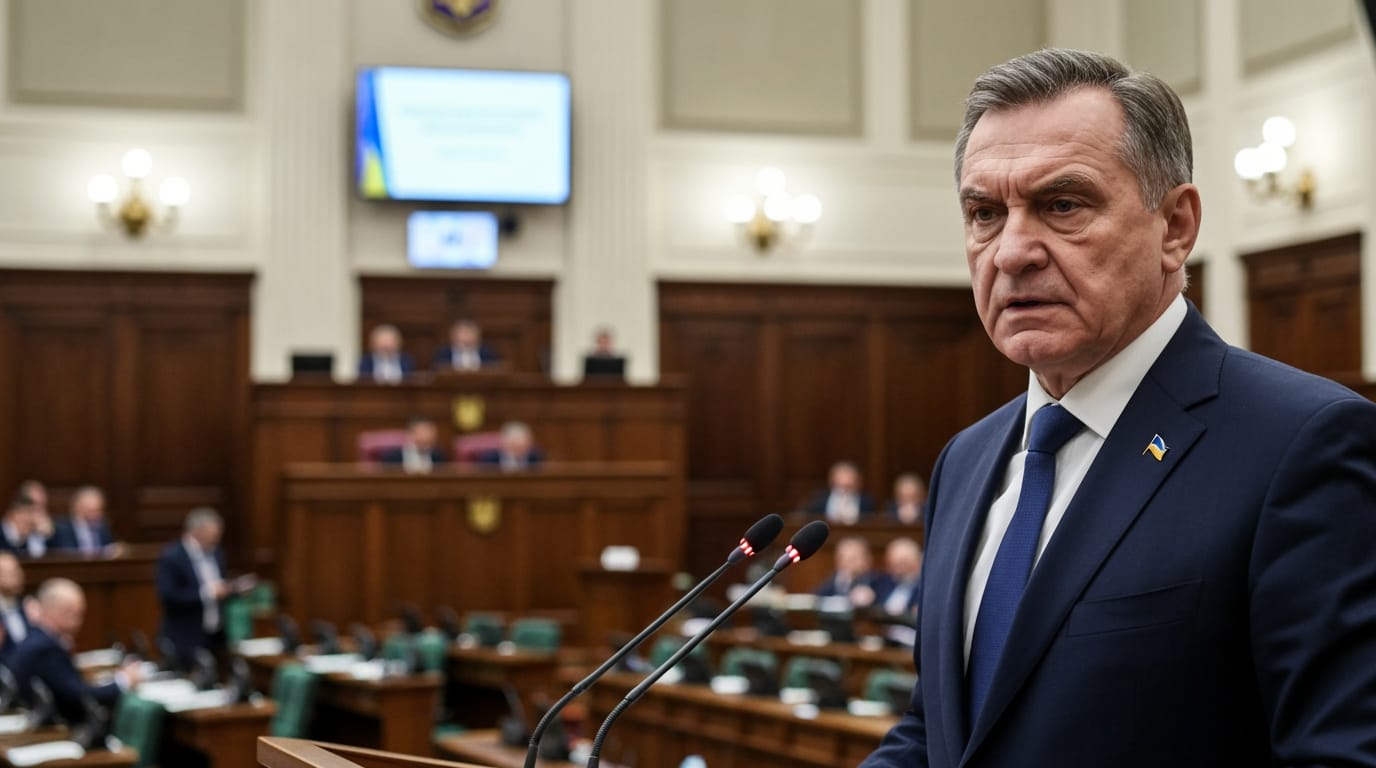
KYIV, Ukraine – In a significant political shake-up during a period of sustained conflict, Ukraine's parliament, the Verkhovna Rada, formally accepted the resignation of Prime Minister Yulia Svyrydenko on Tuesday, July 14, 2026. The move, which automatically triggered the dissolution of her entire cabinet, marks a pivotal moment in President Volodymyr Zelenskyy's efforts to implement a new "political strategy" for the war-torn nation.
The parliamentary vote saw 258 lawmakers support the decision, initiating a broad government reshuffle announced by President Zelenskyy just two days prior. The swift change comes as Ukraine grapples with the ongoing full-scale invasion, demanding continuous adaptation and renewed vigor from its leadership. Svyrydenko, who served for precisely one year, delivered a farewell address to the Rada, expressing gratitude for the trust placed in her and highlighting her government's dedication during one of the most challenging periods in Ukraine's modern history.
A Year at the Helm: Svyrydenko's Wartime Premiership
Yulia Svyrydenko, an economist, assumed the premiership in July 2025, succeeding Denys Shmyhal, and becoming the second woman to hold the office in Ukraine's history. Prior to her appointment as Prime Minister at 39, she held critical roles as First Deputy Prime Minister and Minister of Economy, and earlier as Deputy Head of the President's Office. Her tenure as Prime Minister was characterized by a focus on stabilizing Ukraine's economy amidst the war, driving international financial cooperation, and implementing policies aimed at maintaining domestic stability.
Among her notable efforts, Svyrydenko played a lead role in securing a crucial mineral agreement between Ukraine and the United States, a deal seen as instrumental in solidifying U.S. interests in Ukraine's long-term security. She also championed initiatives such as deregulation, reducing bureaucracy, protecting businesses, and cutting non-critical expenditures to channel maximum state resources toward defense and post-war recovery. Additionally, her government pursued social initiatives, including a one-time payment of Hr 1,000 ($24) to all Ukrainians, though this move drew some criticism as populist. In her valedictory speech, she thanked her team for their work in sustaining essential services – including energy, education, and healthcare – and providing housing for internally displaced persons, all while the country faced relentless attacks.
The Imperative for Change: Zelenskyy's Strategic Shift
President Zelenskyy initiated the reshuffle citing a need for an "updated political strategy" and emphasizing that "new people are needed" to bring fresh momentum to his administration. While specific reasons for Svyrydenko's departure remained somewhat opaque, Zelenskyy lauded her "clear, stable, and effective work" and proposed that she take on a "new, important area" in Ukraine's relations with a "key international partner." Speculation is rife that this new role could be an ambassadorship to the United States, especially given the current ambassador's reported request to end her service.
The timing of the reshuffle, described by some lawmakers as surprising, has prompted various interpretations. Some political analysts suggest it aims to address lingering concerns about a major corruption scandal that rocked the government in 2025, shortly after Svyrydenko took office. Her initial appointment was, in fact, part of a government formed in the wake of that scandal, which implicated several figures close to the President. Critiques during her premiership included accusations of failing to take sufficiently decisive action to "clean house" on corruption and difficulties in building strong working relationships with parliament, which allegedly stalled important bills, particularly those related to European integration. An opposition lawmaker, Yaroslav Zhelezniak, sarcastically noted the government's daily presentations and press conferences were matched by daily corruption suspects.
Beyond internal political dynamics, the reshuffle is seen as a strategic move to bolster Ukraine's resilience against anticipated Russian attacks on its energy infrastructure during the upcoming winter and to reinforce its defense capabilities. Zelenskyy highlighted the need for greater support for frontline and border regions, increased supplies of weapons and drones, and accelerated transformation of state-owned companies.
Navigating the Transition: A New Cabinet on the Horizon
With Svyrydenko's resignation accepted, all cabinet ministers will now serve in an acting capacity until a new government is formed. The parliamentary vote to appoint a new prime minister and cabinet is anticipated as early as July 16.
Among the leading candidates to succeed Svyrydenko as Prime Minister is Serhii Koretskyi, the current CEO of state oil and gas firm Naftogaz. Other names circulating include Denys Shmyhal, the former Prime Minister now serving as Energy Minister, and Mykhailo Fedorov, the Minister of Defense. The President will personally nominate the defense and foreign ministers, while the new prime minister will propose the remainder of the cabinet. The reshuffle is also expected to include changes within law enforcement agencies and potentially the division of some ministries, such as the Ministry of Economy and Ecology, and the Ministry of Reconstruction.
The new government is tasked with critical domestic priorities, including strengthening frontline regions and border security, boosting military supplies, and preparing for the challenging winter period. In foreign policy, Zelenskyy intends to assign experienced officials to specific priority areas, including relations with the U.S., European anti-ballistic projects, EU accession, and engagement with countries like China and those in the Middle East.
Looking Ahead: A Nation in Flux
The departure of Prime Minister Svyrydenko and her government underscores the continuous political and administrative challenges faced by Ukraine amidst the ongoing war. President Zelenskyy's decision reflects a pressing need for strategic recalibration and a renewed sense of purpose within the executive branch. As the nation prepares for a new leadership team, the focus remains firmly on bolstering defense, ensuring economic stability, and advancing Ukraine's European integration goals, all while confronting the existential threat posed by the conflict. The forthcoming appointments will be closely watched both domestically and internationally, as Kyiv strives to present a united and effective front against aggression and for its future.


