UK's Stricter Visa Regime Reshapes International Student Landscape
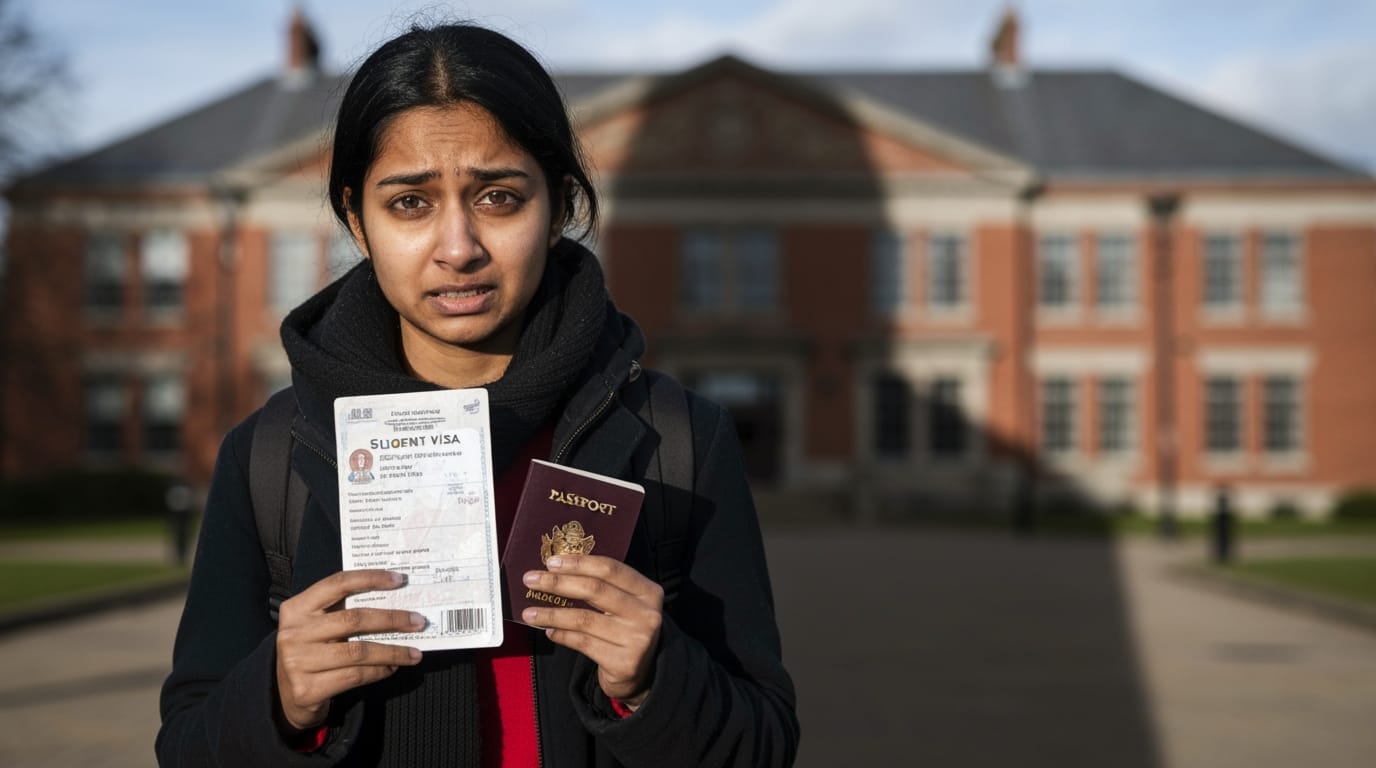
London, UK – The United Kingdom's long-standing appeal as a global education hub is undergoing a significant transformation following a series of stringent immigration policy adjustments. These changes, primarily aimed at curbing net migration, have dramatically altered the landscape for international students, most notably through severe restrictions on accompanying dependents and, consequently, led some universities to individually pause or limit admissions from specific nations deemed "high-risk" due to increased visa refusal rates. The shift, which began in earnest in early 2024, signals a pivotal moment for both aspiring students and the UK's higher education sector.
Sweeping Visa Reforms Take Effect
From January 1, 2024, a major policy amendment came into force, largely preventing international students from bringing family members, including partners and children, to the UK on their student visas. This impactful change applies to all but a select group of international students: those enrolled in postgraduate courses officially designated as research programs, such as PhDs, or those on government-funded scholarships. The government's rationale behind this move, announced in May 2023 by then-Home Secretary Suella Braverman, was to significantly reduce net migration figures, which had seen an unexpected rise, particularly in the number of dependents accompanying students. Home Office statistics revealed a stark increase, with approximately 136,000 visas granted to dependents of sponsored students in the year ending December 2022, an eight-fold surge from 16,000 in 2019. Officials articulated that the student visa route should not be perceived as a backdoor for long-term settlement and emphasized a commitment to ensuring that those who benefit from the UK's education system are primarily students. This policy is projected to reduce the number of people coming to the UK by an estimated 140,000.
Universities React to Heightened Scrutiny
In a direct consequence of the government's intensified focus on immigration control, several UK universities have independently opted to halt or restrict admissions from specific countries. This measure is largely a preemptive response to new Home Office compliance rules, which mandate that universities maintain student visa refusal rates below a certain threshold—reportedly 5%—to avoid penalties, including the risk of losing their license to sponsor international students altogether. Faced with significantly higher refusal rates for applicants from some nations, institutions have had to make difficult decisions. Pakistan and Bangladesh, for instance, saw refusal rates of 18% and 22% respectively, prompting at least nine universities to pause or restrict recruitment from these countries. Similar restrictions have also been observed for students from Afghanistan and Iran, with universities like Bournemouth University and the University of Buckingham suspending applications from these regions due to a "spike in applicants who had issues with obtaining a student visa" and concerns over increasing refusal rates. These universities emphasized their responsibility to uphold Home Office requirements as approved student visa sponsors. While not a direct government-imposed ban on specific nationalities, these university-led actions underscore the pressure placed on the higher education sector to align with broader government immigration objectives.
The Broader Context of UK Immigration Overhaul
These student visa changes are part of a wider, concerted effort by the UK government to reduce overall net migration. The May 2025 Immigration White Paper outlined further proposed changes, many of which are still under consultation or awaiting parliamentary approval. Among these are suggestions to reduce the duration of the popular Graduate Route visa, which currently allows international graduates to remain in the UK for two years (three for PhD holders) to seek employment. Proposals include shortening this to 18 months for undergraduates and master's graduates, with potential implementation from January 2026 onwards for new students. There are also discussions about introducing a new levy on international student fees for universities and stricter compliance rules for institutions enrolling international students. Additionally, increased minimum salary thresholds for skilled worker visas and an extension of the qualifying period for indefinite leave to remain from five to ten years for many categories are also part of this comprehensive immigration overhaul. These measures collectively aim to reshape who comes to the UK, for how long, and under what conditions, prioritizing individuals deemed to contribute more directly to specific economic needs and reducing perceived "misuse" of the immigration system.
Impact on International Education Sector
The implications of these policy shifts are far-reaching, affecting both the UK's reputation as a study destination and the financial health of its universities. International students contribute significantly to the UK economy, with the sector aiming to increase education exports to £35 billion annually by 2030. The ability to bring dependents was a considerable factor for many postgraduate students, and its removal may deter a segment of this demographic, particularly from countries where family migration is culturally significant. While the government reiterates its commitment to attracting "the brightest students," the new rules introduce considerable uncertainty for prospective applicants, impacting their planning and financial commitments. Universities, particularly those with a high reliance on international student fees, are now grappling with potential enrollment declines. The number of student visas issued saw a 19% decrease between 2022 and 2024, and visas for student dependents plummeted by 85% in 2024 following the restrictions. This trend raises concerns about the diversity of student populations and the financial sustainability of some institutions, especially those less research-intensive. Despite these challenges, the UK government maintains that these measures are essential to manage migration levels while continuing to welcome genuine students who contribute to the nation's academic and economic vitality.
Conclusion
The recent immigration policy changes have ushered in a new era for international education in the UK. The government's resolute stance on reducing net migration has led to significant restrictions on student dependents and compelled universities to adopt more cautious admissions practices from certain countries. This evolving landscape presents a complex balancing act: preserving the UK's global standing in higher education while addressing domestic concerns about immigration levels. As the full impact of these reforms continues to unfold, stakeholders across the higher education sector and prospective international students alike will be closely observing how the UK navigates the tension between attracting global talent and enforcing tighter border controls.


