France Expands Nuclear Doctrine, Offering New Layer of Deterrence to European Allies Amid Geopolitical Shifts
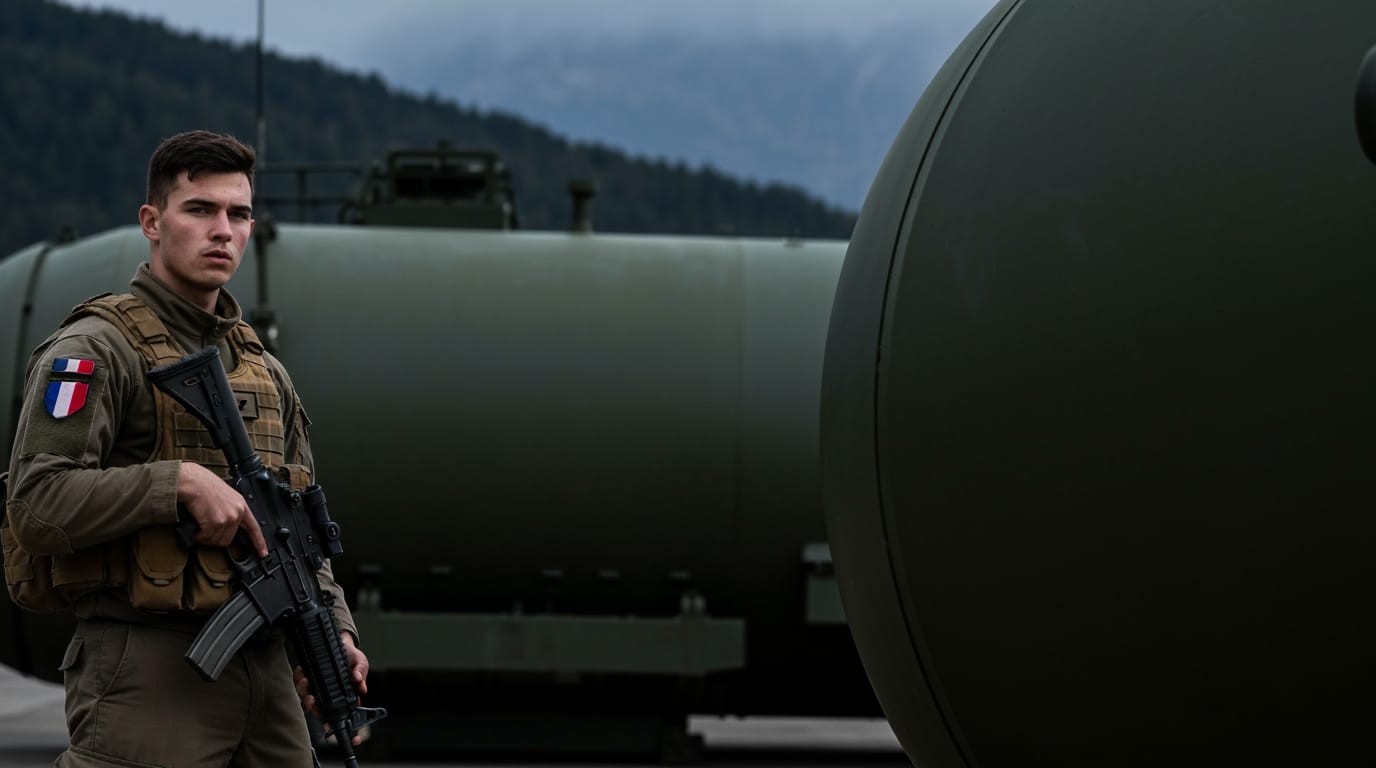
PARIS – France is charting a new course for its independent nuclear deterrent, moving to offer a more integrated, albeit controlled, layer of security to its European allies. In a significant policy shift, President Emmanuel Macron recently announced an expansion of France's nuclear arsenal and a doctrine of "advanced deterrence," designed to bolster European strategic autonomy amidst an increasingly volatile global landscape. This evolution, while maintaining France's sovereign control, provides what many see as crucial fringe benefits to nations grappling with concerns over wavering U.S. commitments and escalating threats from an aggressive Russia.
The Genesis of French Nuclear Sovereignty
For decades, France has proudly maintained an independent nuclear deterrent, known as the Force de dissuasion. This doctrine, rooted in the Gaullist vision of national sovereignty, dictated that France's nuclear weapons were solely for the defense of its own "vital interests," with the ultimate decision to deploy resting exclusively with the French President. Unlike other NATO nuclear powers, France has historically not participated in the alliance's Nuclear Planning Group, underlining its unique and autonomous stance. This policy of "strict sufficiency" aimed to maintain a credible deterrent at the lowest possible level, sufficient to inflict unacceptable damage on any aggressor, thereby deterring attacks against French territory. This self-reliant approach was born from a desire to distance France from NATO's integrated command structure and ensure its security even if the United States hesitated to risk its own cities in a European conflict.
Macron's 'Advanced Deterrence' and European Strategic Autonomy
The current geopolitical climate, characterized by Russia's ongoing war in Ukraine, China's military expansion, and growing uncertainties regarding the steadfastness of U.S. defense commitments to Europe, has prompted Paris to re-evaluate its nuclear doctrine. President Macron's recent announcement marks a "major evolution" of this long-standing policy, signaling France's intention to increase its nuclear warhead stockpile for the first time in decades. Central to this updated strategy is the concept of "advanced deterrence" or "forward deterrence," which aims to project French nuclear credibility further across the European continent.
This initiative is a deliberate effort to reinforce Europe's strategic autonomy, a concept Macron has championed as essential for the continent's long-term security. The French President has emphasized that while the U.S. remains a crucial ally, Europe must be prepared to shoulder more responsibility for its own defense. This strategic shift does not seek to replace NATO's nuclear mission or the U.S. extended deterrence but rather to complement and strengthen the overall European security architecture.
Tangible Benefits and Allied Engagement
The "fringe benefits" of this evolving French nuclear doctrine are becoming increasingly tangible for several European nations. President Macron has extended an invitation for European partners to engage in strategic dialogue about the role of French nuclear deterrence in their collective security. Beyond discussions, France is opening its deterrence exercises to allies and exploring the possibility of their conventional forces participating in French nuclear activities.
Perhaps the most significant development is the potential for temporary deployment of French nuclear-capable Rafale fighter jets to allied countries, such as Germany and Poland. This measure is intended to "spread across the European continent" and thereby "complicate the calculations of our adversaries," enhancing the deterrent effect. Countries like Germany, Poland, the Netherlands, Belgium, Greece, Sweden, Denmark, and the United Kingdom are reported to be in discussions with Paris regarding this enhanced cooperation. European leaders have largely welcomed this initiative, viewing it as a critical step toward strengthening continental defenses. Notably, France and Germany have established a "high-ranking nuclear steering group" to foster closer cooperation, with Germany agreeing to conventional participation in French nuclear exercises and joint visits to strategic sites. Polish Prime Minister Donald Tusk also confirmed his country's engagement in these talks, emphasizing collective armament against potential threats.
Navigating Sovereignty and Integration
Despite these overtures toward closer integration, France maintains a firm stance on its nuclear sovereignty. President Macron has explicitly stated that the ultimate decision to use nuclear weapons will remain exclusively with the French President, and there will be no sharing of this critical decision-making authority with allies. Similarly, the definition of what constitutes France's "vital interests"—the threshold for nuclear retaliation—will remain a sovereign French prerogative, though Macron has previously stated these interests have a "European dimension."
This approach presents a nuanced challenge: how to offer a robust security guarantee while retaining absolute national control. Experts acknowledge that while the French proposals for engagement in exercises and potential temporary deployments are significant, they do not constitute a full-fledged "nuclear umbrella" in the traditional sense, which typically implies shared decision-making or formal extended deterrence commitments. The French arsenal, though the fourth largest globally with approximately 290 warheads, is considerably smaller than those of the United States and Russia, meaning it cannot fully replace the U.S. role in European nuclear deterrence. However, the initiative is viewed as a vital complementary layer of deterrence, enhancing Europe's collective defense capabilities without undermining the existing transatlantic alliance.
A New Era for European Security
France's revised nuclear doctrine marks a pivotal moment for European security, signaling a proactive effort by the continent's sole nuclear power within the European Union to address growing threats and strategic uncertainties. By expanding its arsenal and inviting closer cooperation with allies through strategic dialogue, joint exercises, and potential forward deployments, France is providing tangible "fringe benefits" that contribute to a more robust and self-reliant European defense posture. While Paris firmly retains its sovereign control over nuclear decision-making, this strategic evolution demonstrates a clear commitment to fostering a stronger, more integrated European security architecture, capable of navigating the complex geopolitical challenges of the 21st century.


