Escalation in the Middle East: US and Israel Launch Joint Military Action Against Iran, Sparking Widespread Retaliation
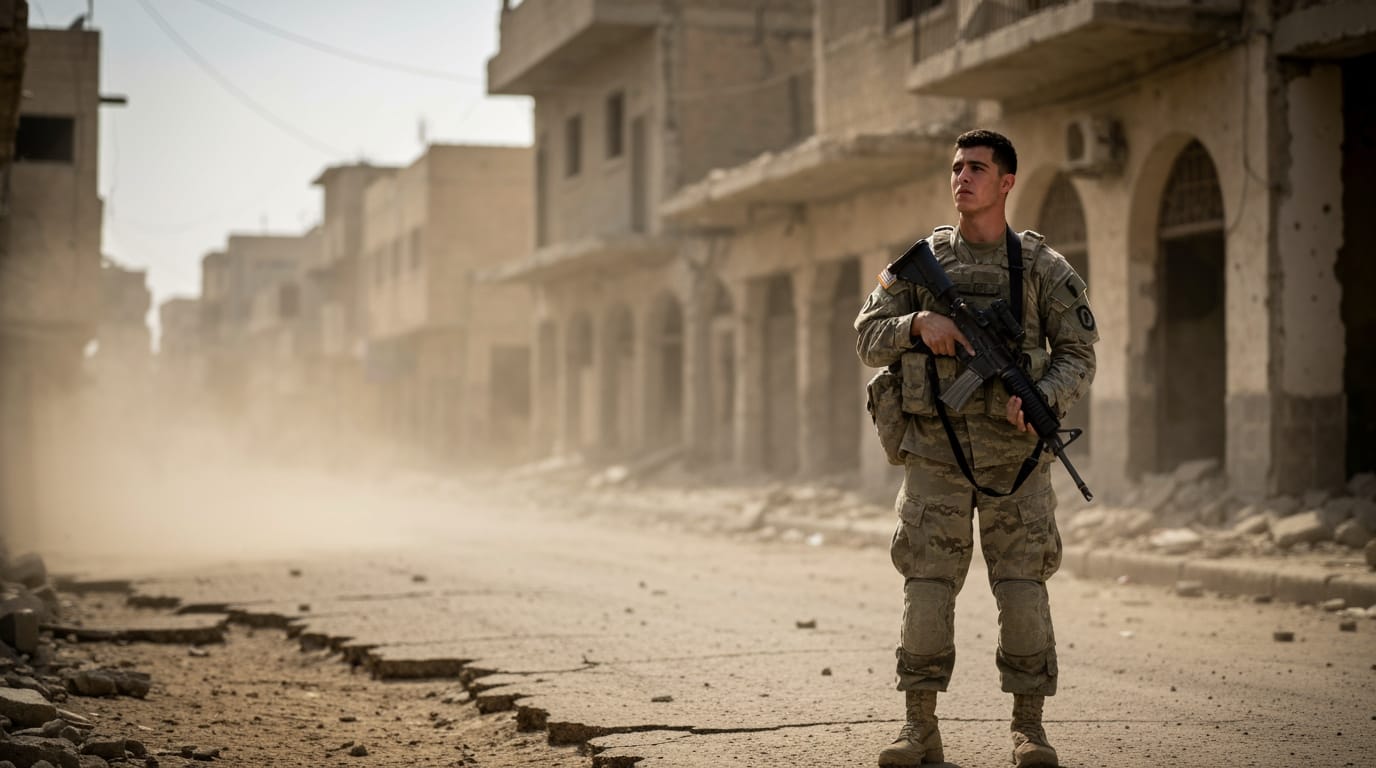
TEHRAN, Iran – A new chapter of direct military confrontation has opened in the Middle East, as the United States and Israel initiated a large-scale, coordinated military operation against Iran on February 28, 2026. The offensive targeted critical Iranian nuclear and military facilities, and resulted in the death of Supreme Leader Ayatollah Ali Khamenei and other high-ranking government officials. This unprecedented joint action has rapidly intensified regional tensions, leading to immediate Iranian retaliatory strikes across the Middle East and significant disruptions to global shipping and cybersecurity.
The coordinated strikes, described as the largest U.S. military buildup in the Middle East since the 2003 invasion of Iraq, involved over 50,000 troops, 200 fighter jets, and two aircraft carriers. U.S. Central Command reported that nearly 2,000 targets across Iran were hit with more than 2,000 munitions in the initial days of the operation. Iran quickly responded with its own barrage, launching over 500 ballistic missiles and 2,000 drones, some targeting U.S. military assets across the region. This rapid escalation signals a dramatic shift from decades of proxy conflicts and strategic maneuvering to overt military engagement, with profound implications for regional and global stability.
Roots of a Decades-Long Rivalry Explode into Open Conflict
The current hostilities are the culmination of a deeply entrenched rivalry spanning decades, characterized by mutual distrust and conflicting strategic interests between Iran, the United States, and Israel. Historically, U.S.-Iran relations deteriorated significantly following the 1979 Islamic Revolution, which saw Iran adopt a staunchly anti-American and anti-Israeli stance, labeling the U.S. the "Great Satan" and Israel the "Little Satan." Iran's nuclear program has been a central point of contention, with Israel viewing a nuclear-armed Iran as an existential threat and the U.S. seeking to prevent nuclear proliferation.
For years, Iran has cultivated a network of proxy groups, often referred to as the "axis of resistance," including Hezbollah in Lebanon, Hamas and Palestinian Islamic Jihad in Gaza, Shi'ite militias in Iraq and Syria, and the Houthis in Yemen. These groups, heavily financed and armed by Tehran, have been instrumental in projecting Iranian influence and challenging Israeli and U.S. interests across the region. Israel and Iran have been engaged in a proxy conflict since at least 1985, a shadow war that escalated to direct confrontations in 2024 and a 12-day war in June 2025. The U.S., while not directly at war with Iran for decades, has maintained a significant military presence in the Middle East, largely aimed at containing Iran and protecting its allies.
Objectives and Immediate Repercussions of the Strikes
The stated objectives behind the U.S.-Israeli offensive appear to diverge somewhat, though both aim at fundamentally altering Iran's strategic capabilities and regional posture. Israeli Prime Minister Benjamin Netanyahu, who has long advocated for a decisive confrontation with Iran, reportedly aims for "regime change" and the permanent disabling of Iran's capacity to pose a threat. U.S. President Donald Trump, while not explicitly endorsing regime change as a top priority in early March 2026, emphasized destroying Iran's missile capabilities, its navy, and preventing it from acquiring nuclear weapons.
The immediate aftermath of the February 28 strikes saw Iran respond with military action, including missile launches and drone attacks, as well as a robust cyber warfare campaign. Pro-Iranian cyber actors launched a barrage of distributed denial of service (DDoS) attacks, critical infrastructure assaults, and network compromises targeting U.S. and Israeli interests, including civilian healthcare institutions. This digital retaliation is viewed by experts as a significant component of Iran's asymmetric response, leveraging its capabilities where it perceives greater leverage.
Regional Instability and Global Economic Fallout
The conflict has rapidly spilled over, triggering immediate and severe consequences for regional stability and global commerce. Iranian military forces declared the closure of the strategically vital Strait of Hormuz, through which approximately one-fifth of the world's oil supply and vast quantities of natural gas transit. This closure has led to significant disruption in shipping, with at least 150 vessels, including oil and LNG tankers, reportedly stranded. Insurance companies have begun canceling war risk coverage for vessels in the Gulf, exacerbating the crisis and causing oil and European natural gas prices to surge.
Adding to the maritime concerns, Houthi rebels in Yemen, an Iranian-backed proxy, announced their intention to resume drone and missile attacks on Red Sea shipping in response to the U.S.-Israeli strikes. This threat reignites concerns for a critical global trade route that had seen a brief reprieve in attacks after a Gaza ceasefire in late 2025. Several commercial vessels in the Persian Gulf, Strait of Hormuz, and Gulf of Oman have already been struck, with reports of fatalities and injuries among crew members.
Moreover, Iran's retaliatory strikes have also targeted U.S. military bases and assets across the Middle East, including those in Iraq, Kuwait, and commercial facilities utilized by the U.S. military. The British airbase of Akrotiri in Cyprus, which hosts U.S. troops, also faced a sustained drone attack allegedly carried out by Hezbollah, marking the first attack on a European country within this conflict. Saudi Arabia, home to significant U.S. military presence, has also been identified as being at increased risk of drone and missile attacks.
An Uncertain Future
The rapid escalation of military and cyber actions, coupled with severe disruptions to global trade, underscores the precarious nature of the current situation. The deliberate targeting of Iran's leadership and strategic assets marks a significant departure from previous containment strategies and could usher in a prolonged period of direct confrontation. While the U.S. and Israel aim to neutralize perceived threats from Iran, the widespread and multifaceted Iranian response, alongside actions by its proxies, signals a determined resistance that promises further instability. The international community watches closely as this conflict unfolds, with the potential for broader regional entanglement and long-lasting global repercussions.


