Moscow's Measured Response: Why Russia Stands Aside Amid Escalating Tensions in Iran
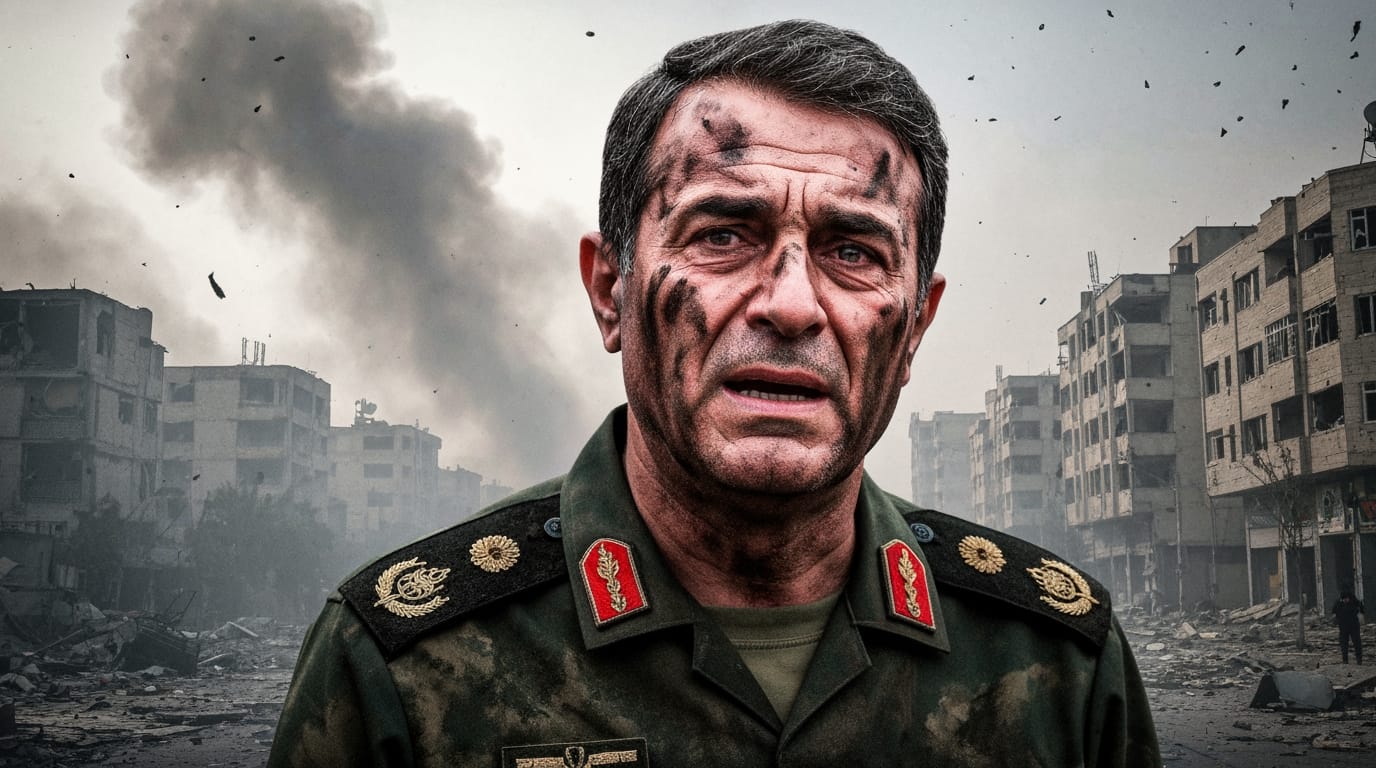
TEHRAN/MOSCOW – As a new wave of U.S. and Israeli airstrikes rattles Iran, culminating in the reported death of Supreme Leader Ayatollah Ali Khamenei on February 28, 2026, the international community observes a conspicuous absence of direct military intervention from Tehran's strategic partner, Russia. Despite deepening ties and shared geopolitical interests, Moscow's response has been largely confined to diplomatic condemnations, underscoring a complex and transactional relationship far removed from a robust defensive alliance. This measured approach highlights Russia's internal constraints, strategic calculations, and a historical pattern of prioritizing self-interest over direct military aid to distant allies.
The recent escalation, which saw hundreds of targets across Iran bombarded by U.S. and Israeli forces following a June 2025 twelve-day war with Israel and targeted strikes on Iranian nuclear facilities, has brought Iran's vulnerability into sharp focus. Yet, Moscow, a key supplier of military hardware and a diplomatic ally, has offered little more than "verbal support" and condolences, leading many analysts to question the true nature and limits of the Russia-Iran partnership.
The Weight of Ukraine: A Distant Priority
A primary factor dictating Russia's restraint is its ongoing and resource-intensive conflict in Ukraine. The war has consumed significant military, economic, and human capital, leaving Moscow with limited capacity to project substantial power onto another distant front. Experts note that Russia is "fully committed and already struggling" in Ukraine, lacking the means to fight wars on multiple fronts simultaneously. The Kremlin's military assets, including critical air defense systems, are reportedly stretched thin, making it impossible to spare significant numbers for Iran, especially as Ukraine's own missile capabilities grow. This entanglement fundamentally curtails Russia's ability to act as a conventional military guarantor for its partners, exposing its "war-aggravated weakness."
A Transactional Alliance, Not a Defensive Pact
The relationship between Russia and Iran, often portrayed as an axis of resistance against Western influence, is fundamentally transactional rather than an ideological or defensive alliance. Both nations benefit from opposing U.S. hegemony and fostering a multi-polar world order. Iran has provided Russia with critical drone technology, missiles, and ammunition for the war in Ukraine, while Russia has supplied Iran with military equipment, including advanced fighter jets and air defense systems. However, this cooperation does not translate into a mutual defense obligation. Russian President Vladimir Putin himself has emphasized that their agreement is not a mutual defense treaty, a point underlined by the absence of such a clause in their "Treaty on Comprehensive Strategic Partnership" signed in January 2025.
Analysts from the Finnish Institute of International Affairs describe the relationship as largely "transactional," highlighting Iran's "junior role" within this asymmetrical partnership. Russia's historical foreign policy doctrine has consistently shown a reluctance to become over-invested in any single partner, a lesson learned from the strategic failures of the Soviet Union. Moscow aims to leverage Iran to further its own interests, such as challenging Western dominance or securing energy deals, without assuming direct liability for Iran's more provocative regional actions.
Strategic Calculus and Regional Balancing Acts
Beyond the direct military constraints imposed by Ukraine, Russia's decision not to intervene directly in Iran is shaped by a broader strategic calculus. Moscow carefully navigates its relationships in the Middle East, maintaining ties with various actors, including Israel and Arab states. A direct military involvement on Iran's behalf would invariably alienate these other regional powers, potentially jeopardizing Russia's broader influence and arms sales in the region.
Furthermore, the geopolitical instability created by a conflict in the Middle East offers Russia indirect benefits. Elevated oil prices, a direct consequence of regional turmoil, provide the Kremlin with much-needed revenue to fund its war efforts in Ukraine. An ongoing crisis also serves to divert international attention and resources away from Ukraine, a strategic advantage for Moscow. While a weakened Tehran regime might be a setback, Russia might calculate that continued instability rather than a decisive outcome best serves its interests.
Limits of Material Support and Future Implications
Despite having clandestinely delivered air defense weapons to Iran in recent years, these systems proved ineffective against the scale and sophistication of the recent U.S.-Israeli strikes. Russia's inability to provide robust, game-changing material support to Iran underscores the limitations of their military cooperation when faced with a coordinated, high-intensity assault.
The Kremlin's muted response also highlights a pattern of Russia abandoning allies when they face existential threats, a lesson learned by figures like Syria's Bashar al-Assad (who received asylum but no direct military save from collapse in 2024) and Venezuela's Nicolás Maduro. For Iran, this demonstrates the harsh reality of its partnership with Moscow: while valuable in terms of diplomatic backing, arms deals, and shared opposition to Western influence, it does not guarantee protection in a direct, large-scale conflict.
In conclusion, Russia's reluctance to rush to Iran's aid amidst current hostilities is a multifaceted issue, deeply rooted in its entanglement in Ukraine, the transactional nature of its alliances, and a calculated pursuit of its own strategic interests. The events in Iran serve as a stark reminder that while Russia seeks to project an image of a reliable anti-Western bulwark, its capacity and willingness for direct intervention are severely limited, particularly when its own core security and economic objectives are at stake. Iran's future security, therefore, remains primarily dependent on its own capabilities and regional dynamics, rather than the expectation of a full-scale Russian rescue.


