UN Releases $110 Million in Emergency Aid to Offset Donor Cuts
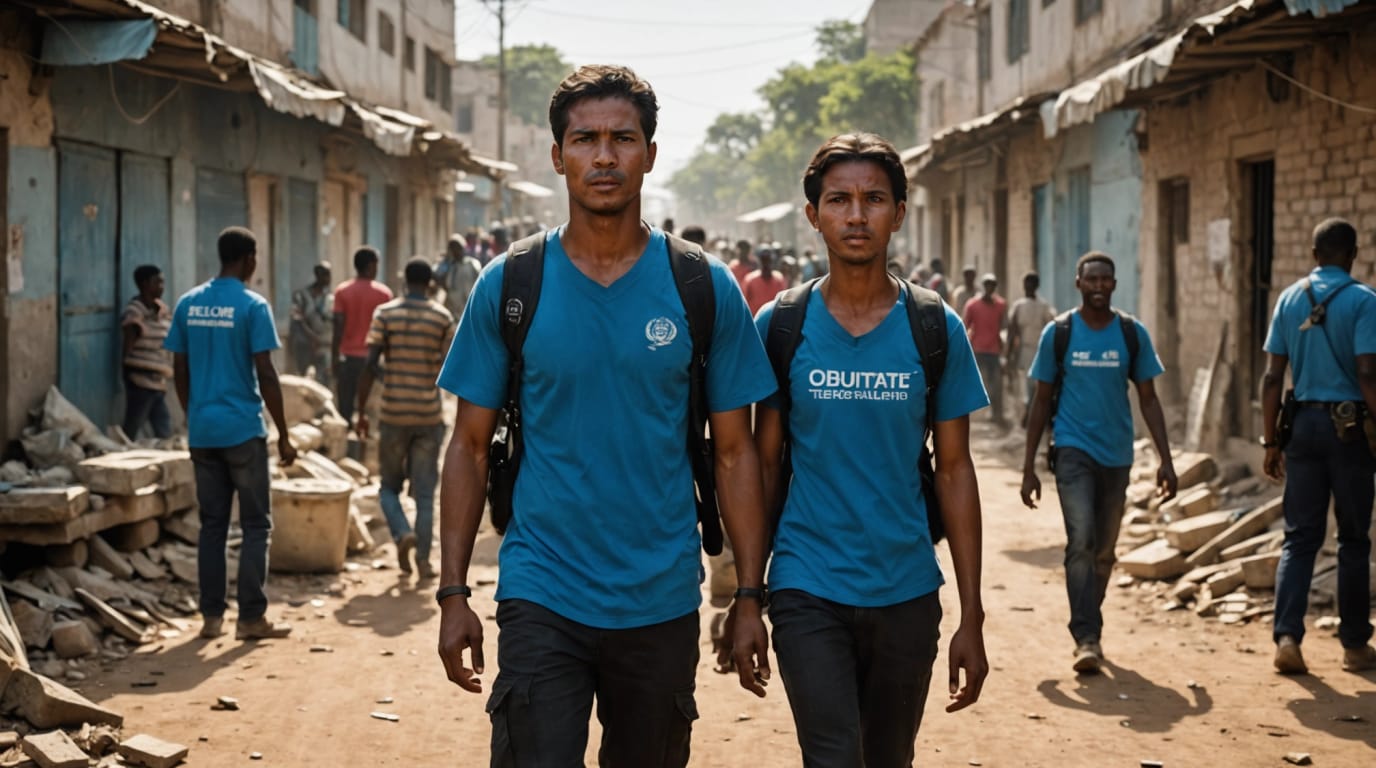
GENEVA – The United Nations has released $110 million from its Central Emergency Response Fund to address critical humanitarian needs around the globe, following significant funding cuts from major donors, including the United States. The allocation aims to mitigate the impact of dwindling aid levels, which are projected to reach a record low this year, exacerbating crises in already vulnerable regions.
The emergency funding comes as the UN faces an unprecedented level of suffering worldwide, with millions displaced by conflict and battling starvation. The cuts in aid from key donor nations have strained the organization's capacity to respond effectively to these escalating crises. The released funds will be directed towards underfunded and neglected emergencies across Africa, Asia, and Latin America, providing vital assistance to those most in need.
A substantial portion of the emergency funds, roughly one-third, will be allocated to Sudan, where nearly two years of civil war have created a massive displacement of people and a severe hunger crisis. Neighboring Chad, which has taken in over a million Sudanese refugees, will also receive support. Other countries slated to receive aid include Afghanistan, the Central African Republic, Niger, and Somalia, all grappling with complex humanitarian challenges.
The UN is seeking $45 billion in 2025 to assist approximately 185 million people facing conflict and starvation. However, the organization has so far received only 5% of the required amount. This shortfall underscores the severity of the funding crisis and the urgent need for increased international support. The recent cuts, particularly those enacted by the United States, have further strained the UN's ability to meet its humanitarian goals. The Trump administration announced the cancellation of nearly 10,000 foreign aid grants and contracts worth almost $60 billion last month, effectively ending about 90% of the U.S. Agency for International Development's global operations.
The reduction in U.S. aid has drawn criticism from various quarters, with hundreds of U.S. diplomats reportedly joining a letter to protest the dismantling of USAID. Critics argue that the cuts will have devastating consequences for millions of people who rely on U.S. assistance for survival. In fiscal year 2023, the United States disbursed $72 billion in aid worldwide, supporting initiatives ranging from women's health in conflict zones to access to clean water and HIV/AIDS treatment. The sudden withdrawal of this support has created a significant void in the global humanitarian landscape.
Despite the challenges, the UN remains committed to providing assistance to those in need. Tom Fletcher, Under-Secretary-General for Humanitarian Affairs and Emergency Relief Coordinator, emphasized that "for countries battered by conflict, climate change, and economic turmoil, brutal funding cuts don't mean that humanitarian needs disappear." The release of emergency funds is a critical step in addressing the immediate needs of vulnerable populations, but sustained and increased funding from donor nations is essential to ensure long-term stability and resilience.
The UN's allocation of emergency funds serves as a stark reminder of the interconnectedness of global challenges and the importance of international cooperation in addressing them. As humanitarian needs continue to rise, the world community must work together to ensure that vital assistance reaches those who need it most. The future well-being of millions depends on it.


