UN to Halve Food Rations for Rohingya Refugees in Bangladesh Amid Funding Crisis
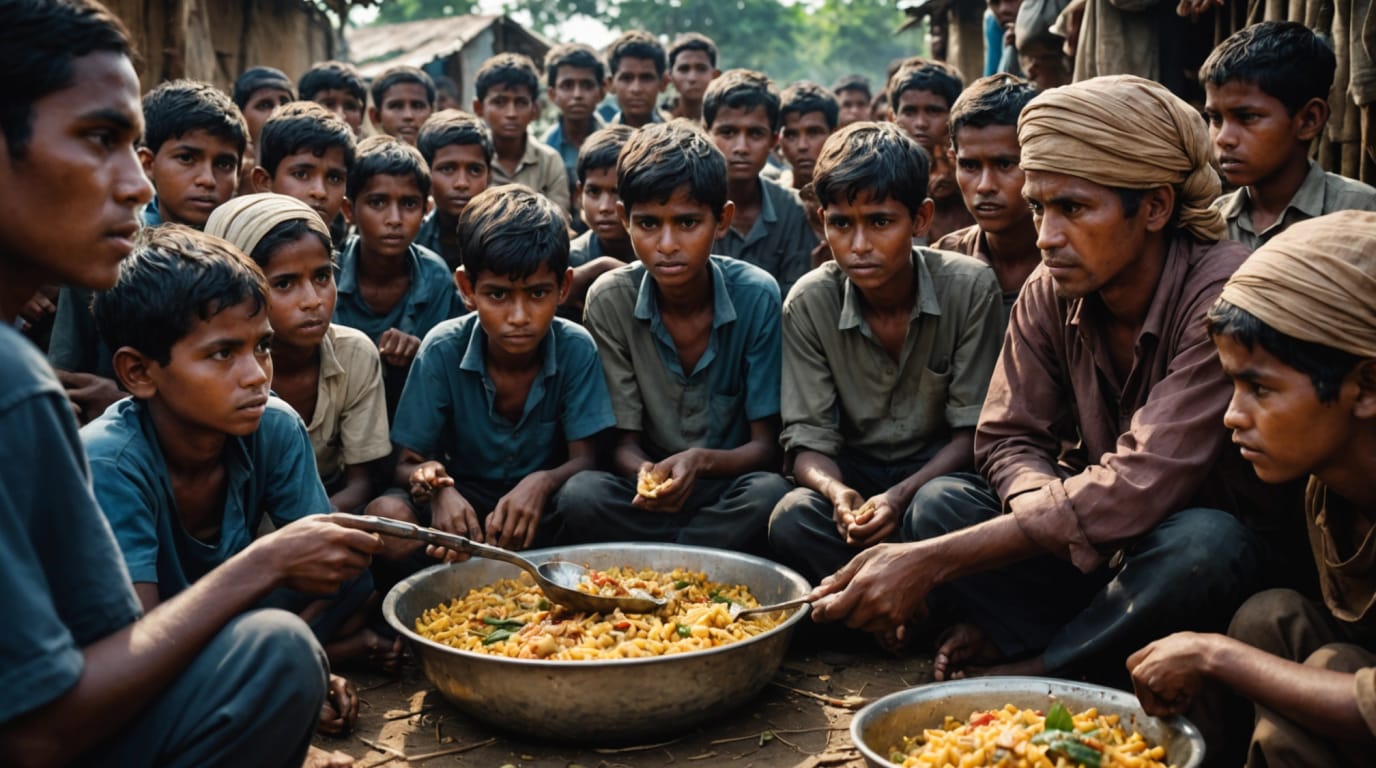
COX'S BAZAR, Bangladesh – The United Nations World Food Programme (WFP) announced Wednesday it will drastically cut food rations for nearly one million Rohingya refugees residing in camps across Bangladesh, effective next month. The decision, prompted by severe funding shortfalls, threatens to exacerbate already dire conditions within the overcrowded settlements and raises fears of widespread hunger and malnutrition.
The reduction will see monthly food vouchers slashed from $12.50 to a mere $6 per person, a cut of more than 50%. This alarming decrease comes as the Rohingya, a stateless Muslim minority group, remain almost entirely dependent on humanitarian assistance for survival after fleeing persecution and violence in neighboring Myanmar.
Dire Consequences of Ration Cuts
Aid workers and refugee advocates are warning of the devastating impact the ration cuts will have on the Rohingya community. The current level of assistance is already insufficient to meet basic needs, and further reductions will push vulnerable families to the brink.
"What they are receiving now is already not enough, so it's hard to imagine the consequences of this new cut," said Mohammed Mizanur Rahman, Bangladesh's top official overseeing the refugee camps.
A previous round of ration cuts in 2023, which reduced rations to $8 per month, led to a sharp increase in hunger and malnutrition within the camps, according to the UN. A WFP letter to Rahman, viewed by Reuters, stated that reducing rations to below $6 would "fall below the minimum survival level and fail to meet basic dietary needs." The WFP acknowledged the cuts would strain families and heighten tensions within the camps, given the refugees' complete reliance on aid.
Funding Shortfalls and Aid Sector Turmoil
The WFP stated that it has been actively seeking additional funding to maintain the current ration levels but has been unsuccessful in securing sufficient donations. The organization is currently seeking $81 million to avert the cuts.
While the WFP did not directly attribute the funding shortfall to specific donor decisions, the broader humanitarian aid sector has faced increasing strain in recent years. Some have speculated that cuts to foreign aid by the previous U.S. administration may have contributed to the current crisis, though the WFP maintains that the funding gap stems from multiple sources. Kun Li, a WFP spokeswoman, clarified that the United States remains a donor for Rohingya aid. Foreign aid agencies have raised only half of the $852 million they sought.
Life in the Camps and Limited Opportunities
The Rohingya refugees live in densely populated camps in the Cox's Bazar district of Bangladesh. The vast majority arrived after a brutal military crackdown in Myanmar in 2017, which the UN is investigating as a potential genocide.
The refugees have limited access to education, employment, and other opportunities for self-sufficiency. They are heavily reliant on international aid for food, water, shelter, and healthcare. The prospect of returning to Myanmar remains uncertain due to ongoing political instability and security concerns. Resettlement in other countries is also limited.
Bangladesh's Perspective and Regional Implications
Bangladesh has generously hosted the Rohingya refugees for years, but the prolonged crisis has strained the country's resources. The government has expressed concerns about the long-term impact of the refugee camps on the environment and local communities.
The situation also has broader regional implications. The Rohingya crisis has been a source of tension between Bangladesh and Myanmar, and the humanitarian situation in the camps could potentially lead to instability and security risks.
A Looming Humanitarian Crisis
The UN's decision to cut food rations for Rohingya refugees underscores the urgent need for increased international support. Without adequate funding, the already vulnerable population faces a looming humanitarian crisis, with potentially devastating consequences for their health, well-being, and future prospects. The international community must step up its efforts to provide the necessary resources to ensure the Rohingya refugees can access basic necessities and live with dignity. UN Secretary-General Antonio Guterres is scheduled to visit the camps to meet with refugees during the upcoming Ramadan fast.


