UN Warns of Alarming Rise in Vaccine-Preventable Diseases Globally
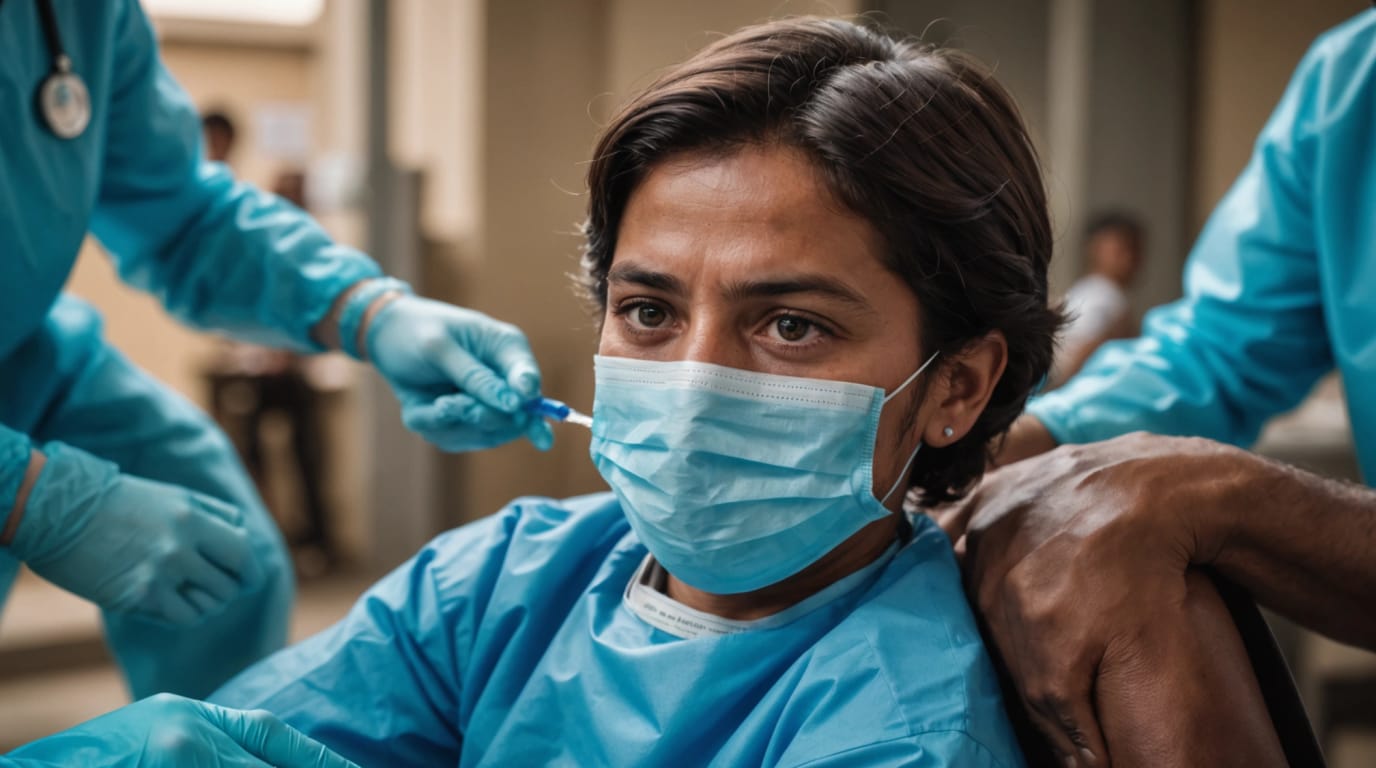
A surge in outbreaks of preventable diseases, including measles, meningitis, and yellow fever, is threatening decades of progress in global health, the United Nations warned Wednesday. The rise in cases is attributed to a combination of factors, including misinformation, funding cuts to international aid, population growth, and humanitarian crises, leaving millions of children, adolescents, and adults at risk.
The World Health Organization (WHO), UNICEF, and Gavi, the Vaccine Alliance, issued a joint statement at the start of World Immunization Week, calling for urgent action and sustained investment to strengthen immunization programs worldwide. The agencies emphasized that vaccines have saved an estimated 150 million lives over the past five decades, but those gains are now in jeopardy.
Measles Making a Dangerous Comeback
Measles, a highly contagious and potentially deadly disease, is experiencing a particularly alarming resurgence. Since 2021, measles cases have been increasing annually, mirroring declines in immunization coverage that occurred during and after the COVID-19 pandemic. In 2023, an estimated 10.3 million measles cases were reported globally, a 20% increase compared to 2022.
Over the past year, 138 countries have reported measles cases, with 61 experiencing large or disruptive outbreaks – the highest number observed in any 12-month period since 2019. The WHO warns that this upward trend likely continued into 2024 and 2025, as outbreaks have intensified around the world. Measles is easily preventable with a safe and effective vaccine, but disruptions to routine immunization services have left millions of children vulnerable.
Other Diseases on the Rise
While measles is a primary concern, other vaccine-preventable diseases are also showing worrying trends. Meningitis cases in Africa rose sharply in 2024, and the upward trend has continued into 2025. In the first three months of this year alone, more than 5,500 suspected cases and nearly 300 deaths were reported in 22 countries. Yellow fever, another potentially fatal disease, is also on the rise, particularly in Africa. Diphtheria, a disease that had been largely eradicated in many countries, is also at risk of re-emerging.
These increases are occurring even as countries attempt to catch up on immunization backlogs caused by the COVID-19 pandemic. The pandemic led to the temporary suspension of vaccination campaigns in at least 68 countries, leaving an estimated 80 million children under the age of one without necessary vaccinations.
Factors Fueling the Surge
Several factors are contributing to the rise in vaccine-preventable diseases. Misinformation and vaccine hesitancy are playing a significant role, with false claims about vaccine safety eroding public confidence in immunization. Population growth and increased mobility are also making it more challenging to reach all children with vaccines.
Humanitarian crises, often driven by conflict and displacement, further disrupt immunization services and create environments where diseases can easily spread. Over half of the 14.5 million children who missed all of their routine vaccine doses in 2023 live in countries facing conflict, fragility, or instability.
Funding Cuts Jeopardize Progress
Adding to these challenges, significant funding cuts to global health programs are undermining immunization efforts. UNICEF Executive Director Catherine Russell stated that the global funding crisis is severely limiting the ability to vaccinate over 15 million vulnerable children in fragile and conflict-affected countries against measles.
Gavi, the Vaccine Alliance, is calling for at least $9 billion in funding ahead of its June 25 pledging summit to protect 500 million children and save an estimated 8 million lives from 2026 to 2030. Without adequate funding, these vital activities will be at risk, potentially reversing decades of progress in reducing child mortality.
Urgent Action Needed
The UN and its partners are urging governments, donors, and communities to take immediate action to address the growing threat of vaccine-preventable diseases. This includes:
- Increased investment in immunization programs: Sustained funding is essential to strengthen health systems, train healthcare workers, and procure and deliver vaccines to all children, especially those in hard-to-reach areas.
- Combating misinformation: Public education campaigns are needed to address vaccine hesitancy and promote accurate information about the safety and effectiveness of vaccines.
- Strengthening disease surveillance: Robust surveillance systems are crucial for detecting and responding to outbreaks quickly and effectively.
- Reaching vulnerable populations: Targeted efforts are needed to reach children in conflict zones, refugee camps, and other marginalized communities with essential vaccines.
A Call to Protect Future Generations
Vaccines are one of the most successful and cost-effective public health interventions in history. They have eradicated smallpox, nearly eliminated polio, and dramatically reduced the burden of many other deadly diseases. However, the recent rise in vaccine-preventable diseases serves as a stark reminder that these gains cannot be taken for granted.
As WHO Director-General Dr. Tedros Adhanom Ghebreyesus stated, "Outbreaks of vaccine-preventable diseases are increasing around the world, putting lives at risk and exposing countries to increased costs in treating diseases and responding to outbreaks. Countries with limited resources must invest in the highest-impact interventions – and that includes vaccines."
By working together to strengthen immunization programs and address the challenges that are undermining them, the global community can protect future generations from the devastating consequences of vaccine-preventable diseases.


