United Nations Blacklists Israel, Russia for Conflict-Related Sexual Violence Amid Global Surge
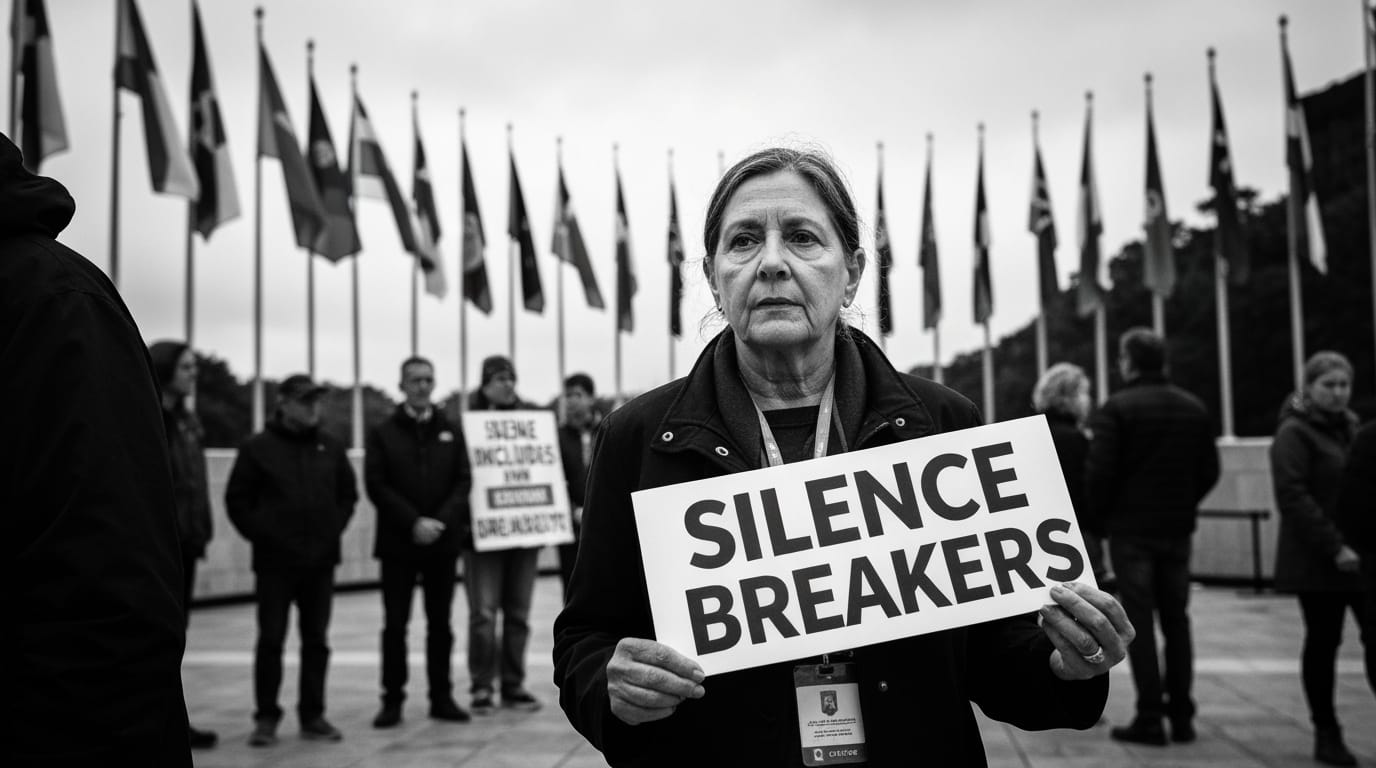
For the first time in its history, the United Nations has added both Israel and Russia to its annual blacklist of parties credibly suspected of committing conflict-related sexual violence. The unprecedented inclusion of two major nations marks a significant escalation in international efforts to hold state actors accountable for such grave violations, prompting immediate and strong condemnations from both Jerusalem and Moscow. The listings are part of the Secretary-General's forthcoming annual report on Conflict-Related Sexual Violence (CRSV), which highlights a sharp increase in documented cases globally in 2025.
The comprehensive 35-page report, which lists 77 government and non-government parties across a dozen countries, details widespread patterns of sexual violence, often used as a weapon of war, torture, and political repression. The UN's CRSV blacklist serves as a critical mechanism to identify perpetrators and push for greater accountability, typically leading to increased international scrutiny and calls for sanctions. While women and girls continue to constitute the overwhelming majority of victims globally, accounting for 92% of verified cases, the specific allegations against Israel and Russia notably include male victims.
Israel's Inclusion: Allegations in Detention Facilities
Israel's armed and security forces, including the Israeli Prison Service (IPS), have been blacklisted over allegations of sexual violence against Palestinian detainees. The UN report documents "patterns of sexual violence" against Palestinians held in Israeli detention facilities during 2025, alongside additional cases from 2023 and 2024.
Specific allegations against Israeli forces include rape, including with objects, gang rape, attempted rape, physical violence to the genitals, targeted shooting of the genitals, touching of breasts and genitals, strip and cavity searches conducted without apparent security justification, forced nudity, and threats of rape. The report verifies multiple incidents involving 14 men, seven women, nine boys, and one girl from both Gaza and the West Bank. At least nine victims, predominantly from Gaza, were reportedly raped or gang-raped, in some instances repeatedly, by members of the Israeli military, prison service, police, and special forces units.
In response to the listing, Israel's Ambassador to the UN, Danny Danon, vehemently condemned the decision as "political" and "detached from the facts and from reality." Danon stated that Israel had provided extensive documentation and responses to the allegations, asserting the UN's decision was a "moral disgrace and a complete collapse of any credibility left to the UN." Following the announcement, Israel froze relations with the office of UN Secretary-General Antonio Guterres. This inclusion follows a warning issued in August 2025 by Guterres, who had expressed "grave concern" over reports of sexual abuse of Palestinian detainees in Israeli prisons and placed Israel "on notice" for potential inclusion. Notably, Hamas militants were previously blacklisted in the UN's report after their October 7, 2023, attack, which sparked the ongoing conflict in Gaza.
Russia's Listing: Violence in the Ukraine Conflict
Russian armed and security forces have been added to the blacklist for sexual violence committed against prisoners of war and civilians detained during the ongoing conflict in Ukraine. The UN report details 310 verified cases of conflict-related sexual violence across Russia and Russian-occupied areas of Ukraine. The vast majority of these victims were reported to be men.
The report highlights that Russian authorities have consistently denied UN human rights investigators access to areas where these alleged violations occurred, complicating comprehensive documentation efforts. However, despite these access limitations, the UN was able to verify numerous incidents.
Russia's UN Ambassador Vassily Nebenzia strongly refuted the accusations, dismissing them as "unsubstantiated lies" and characterizing Moscow's inclusion as "baseless, politicized, and part of an anti-Russian propaganda campaign." Like Israel, Russia had also received a warning in a previous UN report from Secretary-General Guterres, indicating that its forces could be listed for sexual violence in the context of the war in Ukraine.
Broader Implications and International Scrutiny
The inclusion of both Israel and Russia on the UN's sexual violence blacklist marks a pivotal moment for international human rights and accountability. This is the first instance where two states of such geopolitical significance have been listed simultaneously, underscoring a growing commitment by the international community to address conflict-related sexual violence irrespective of the perpetrators' status.
The report itself indicates a worrying global trend, with the number of documented cases of sexual violence rising sharply in 2025 from the previous year. This surge is attributed to various factors, including mass displacement and food insecurity, which render vulnerable populations, particularly women and girls, susceptible to heightened risks of sexual violence.
For the listed nations, inclusion on the blacklist carries significant reputational damage and intensifies international pressure. While direct legal consequences from the blacklist itself are not immediate, it can serve as a basis for further investigations, targeted sanctions, and increased diplomatic isolation. Human rights organizations have consistently called for robust enforcement of international law and accountability for these crimes, and the latest report provides additional fodder for such advocacy. The strong denials from both Israel and Russia, characterizing the decision as politically motivated, reflect the high stakes involved and the contentious nature of these allegations on the global stage.
The Secretary-General's annual report aims to ensure that sexual violence is not overlooked in conflict zones and to galvanize concerted action from the international community. The unprecedented listings of Israel and Russia highlight the persistent challenges in achieving accountability in armed conflicts and the increasingly complex dynamics of international diplomacy and human rights advocacy. Despite the pushback, the UN's move signals a reinforced commitment to documenting and exposing these heinous crimes, aiming to foster an environment where such violations are met with robust international condemnation and pursuit of justice.


