United Nations Issues Urgent Global Call for Regulation of Drones in Conflict Zones Amid Soaring Civilian Casualties
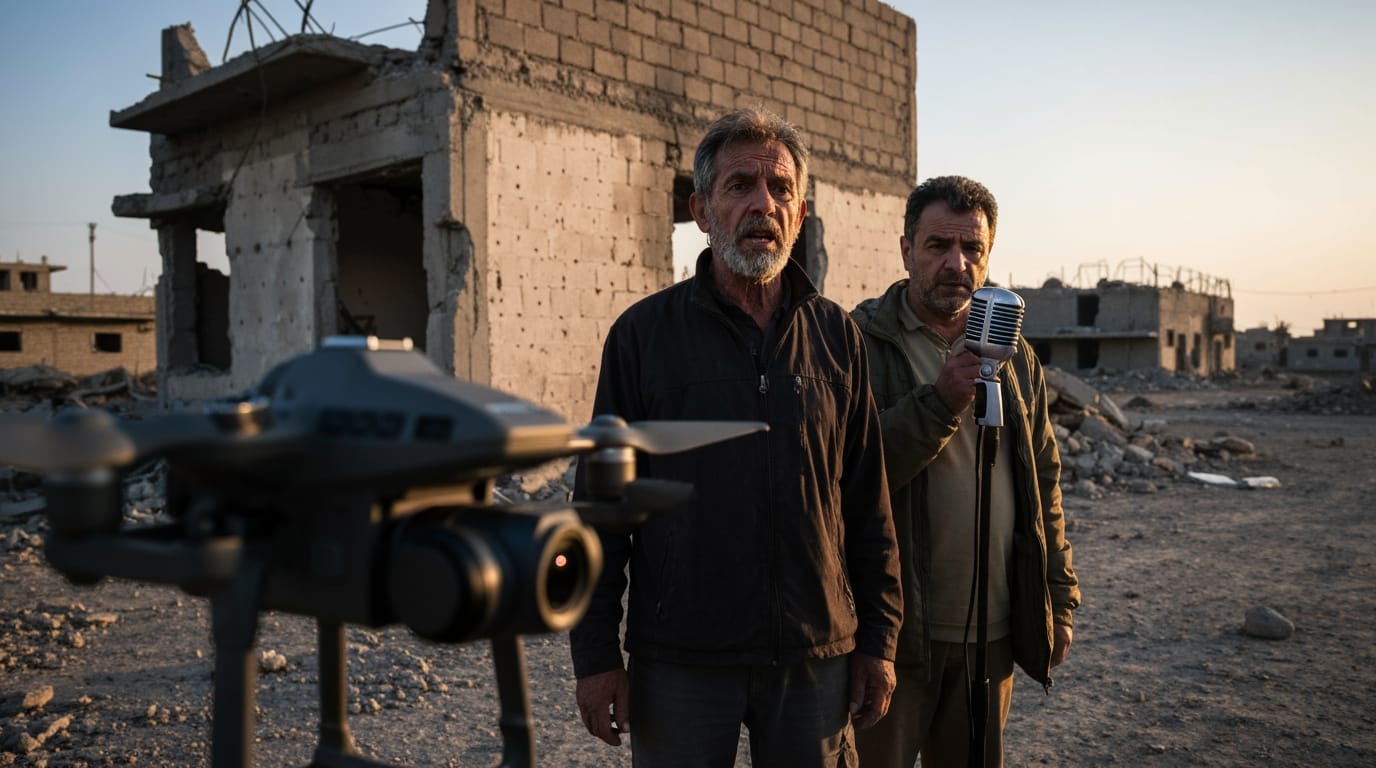
The United Nations is sounding an increasingly urgent alarm over the proliferation and unregulated use of armed drones in conflict zones, a development driving a drastic rise in civilian casualties and fundamentally reshaping the nature of modern warfare. With new data revealing over a thousand civilian deaths from drone strikes in Sudan alone in the first five months of 2026, and similar patterns emerging in other conflicts, international bodies are intensifying calls for robust regulation to stem the humanitarian crisis and address the profound legal and ethical dilemmas posed by these increasingly autonomous weapons systems.
The Sky's New Predator: Drones Reshape Modern Conflict
The landscape of armed conflict has undergone a rapid and profound transformation with the widespread adoption of unmanned aerial vehicles, commonly known as drones. Once primarily tools for surveillance, these systems have evolved into sophisticated instruments of war, capable of precision targeting, real-time intelligence gathering, and deep strikes far behind traditional front lines. The conflict in Ukraine, in particular, has served as a crucible for drone innovation, showcasing the strategic impact of both advanced military drones and affordable, adaptable first-person-view (FPV) drones, which are now being produced in the millions annually. This accessibility means that not only state militaries but also non-state actors now possess significant lethal force capabilities, challenging the traditional dominance of superpowers and fragmenting geopolitical power.
Developments in drone technology, particularly the integration of artificial intelligence, are leading to autonomous targeting systems and the emergence of "drone swarms" that can operate and coordinate attacks without continuous human instruction. Russia, for instance, has reportedly operationalized fully autonomous combat drones and V2U loitering munitions equipped with AI for target identification, even forming holding patterns and coordinating attacks on vehicles and civilians after losing signal. This technological leap has significantly reduced the cost of lethality and response times, effectively eliminating the notion of a safe rear area in conflicts. The cost-effectiveness of these systems, often cheaper to deploy than traditional military hardware, creates new financial imperatives in prolonged conflicts, burdening adversaries with the need for expensive countermeasures against inexpensive threats.
A Growing Humanitarian Crisis: The Civilian Toll
The most harrowing consequence of the escalating drone warfare is the dramatic increase in civilian casualties, a trend highlighted repeatedly by various UN bodies. In war-torn Sudan, drone strikes tragically claimed the lives of more than 1,000 civilians in just the first five months of 2026, according to a senior United Nations official. The UN High Commissioner for Human Rights, Volker Türk, noted a "sharp increase" in drone attacks, which now represent the leading cause of civilian deaths in the Sudanese conflict, accounting for over 80% of all conflict-related civilian fatalities between January and April 2026. These attacks frequently target civilian infrastructure, including hospitals, markets, and displacement camps, exacerbating an already dire humanitarian situation where nearly two-thirds of the Sudanese population requires assistance.
Ukraine also bears witness to the devastating impact of drone warfare on civilian populations. In August 2025, short-range drone strikes in Ukraine caused more civilian casualties than any other weapon, resulting in 58 deaths and 272 injuries. A UN Commission of Inquiry concluded that Russian armed forces have committed murder of civilians as crimes against humanity through the systematic and widespread use of drones in Kherson Province, targeting civilians in their daily activities. These attacks, often from schools, clinics, and homes, constitute a deliberate campaign, not random acts, according to UN investigations. The UN Human Rights Monitoring Mission in Ukraine (HRMMU) has tracked a sharp rise in overall civilian harm, with casualties increasing by 40% in the first eight months of 2025 compared to the previous year.
The Regulatory Void: International Law Grapples with New Realities
Despite the escalating human cost, international law struggles to keep pace with the rapid evolution of drone technology and its deployment in conflict. International Humanitarian Law (IHL) does not explicitly prohibit the use of armed drones, treating them legally comparably to weapons launched from manned aircraft. Existing IHL principles—distinction, proportionality, and precaution—are meant to govern their use, ensuring attacks are directed only at combatants and military objectives, while minimizing civilian harm. However, the practical application of these principles becomes exceedingly difficult in asymmetrical conflicts, where combatants often blend with the civilian population, making differentiation a complex and often fatal challenge.
The unique characteristics of drone warfare, such as remote operation and the potential for "distance killing," raise profound ethical and legal questions regarding accountability, transparency, and the potential for reduced thresholds for the use of lethal force. Critics argue that while drones offer precision, the sheer volume and accessibility of these weapons, especially when weaponized from civilian models, enhance the capacity to undertake attacks, thereby increasing the threat to civilians. Furthermore, there is a significant lack of specific international regulation governing drones. Existing international agreements related to the transfer of drone technology, such as the Missile Control Technology Regime and the Wassenaar Arrangement, are voluntary and not universally adopted, severely limiting their effectiveness in controlling proliferation and misuse. This regulatory vacuum complicates efforts to ensure compliance with human rights and humanitarian law, particularly in cases of targeted killings and potential extrajudicial executions.
Urgent Calls for Action and Future Pathways
The urgent need for stronger international regulation is echoed across various UN platforms. UN officials and independent experts have repeatedly called for thorough investigations into drone strikes that cause civilian casualties and for states to uphold their obligations under international law. The International Civil Aviation Organization (ICAO) has also voiced concerns, with its Secretary General Juan Carlos Salazar calling for urgent action to protect civil aircraft from military threats, including drones, especially given the increased risk of civilian planes being targeted or caught in crossfire.
Experts suggest that a new, more comprehensive international agreement or treaty specifically addressing drone technology and its use in conflict might be necessary to overcome the limitations of current voluntary frameworks. Such a framework would need to address not only military-grade systems but also the dual-use nature of civilian drones that can be easily weaponized. The absence of clear, enforceable international norms creates an environment where the misuse of drones can lead to significant destabilization, raising fears about their deployment for population control or mass murder by authoritarian regimes or terrorist groups. The international community faces a critical juncture: establishing robust, globally accepted governance mechanisms for drone warfare is paramount to mitigating the escalating humanitarian crisis, ensuring accountability, and safeguarding international peace and security in an increasingly drone-saturated world.


