United States Initiates "Major Combat Operations" Against Iran Following Joint Strikes with Israel
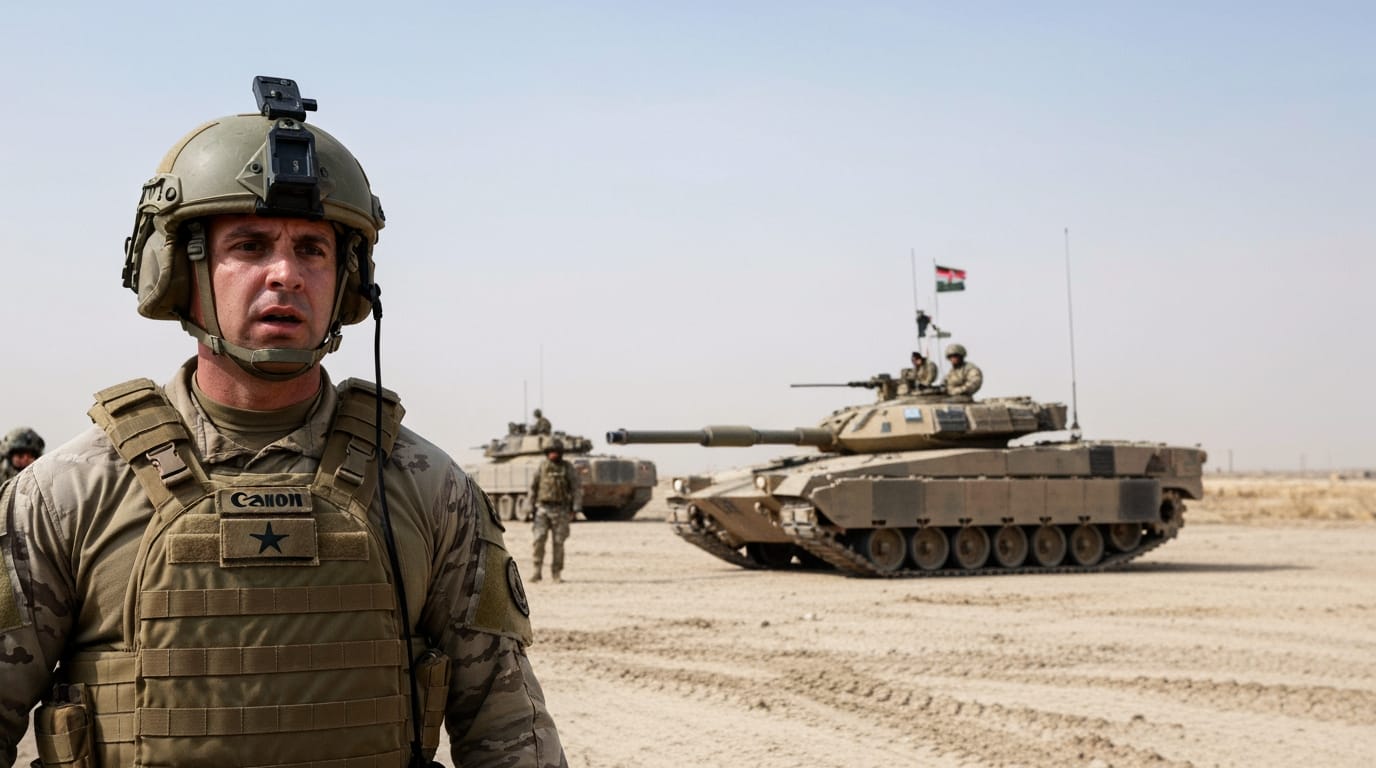
WASHINGTON D.C. – February 28, 2026 – Former President Donald Trump announced today that the United States has commenced "major combat operations" against Iran, marking a dramatic escalation in long-standing tensions between the two nations. The declaration came amidst reports of widespread strikes across Iran, carried out in coordination with Israel, which also confirmed launching its own pre-emptive attacks. The unfolding military action signals a significant shift in the geopolitical landscape of the Middle East, with immediate repercussions for regional stability and global security.
Trump Declares Defensive Action
In a video statement shared across social media platforms, Donald Trump asserted that the objective of the military campaign is to "defend the American people by eliminating imminent threats from the Iranian regime." He vowed to dismantle Iran's missile capabilities and prevent the country from acquiring nuclear weapons. The announcement follows a period of heightened rhetoric and growing concerns from Washington and Tel Aviv regarding Tehran's nuclear program and its development of long-range missiles. Trump acknowledged the potential for American casualties, stating that while steps had been taken to minimize risks to U.S. personnel, losses might occur.
Coordinated Offensive Rocks Iran
Reports from Iranian state media and international news agencies confirm that explosions were heard across multiple Iranian cities, including the capital Tehran, as well as Isfahan, Qom, Karaj, and Kermanshah. The strikes, described by U.S. officials as targeting Iran's military apparatus, are reportedly being conducted by warplanes operating from regional bases and aircraft carriers. The scope of the current operations is said to be more extensive than previous limited strikes, with a particular focus on missile sites and critical infrastructure. Israel's Ministry of Defense confirmed its involvement, stating the pre-emptive attacks were designed "to remove threats to the State of Israel" and had been planned for months in coordination with Washington.
This joint operation comes after a 12-day air confrontation in June, which saw limited engagements between Israeli and Iranian forces. Both the U.S. and Israel had issued repeated warnings to Iran regarding its nuclear and ballistic missile programs. The United States had also assembled a substantial fleet of fighter jets and warships in the region in recent months, an evident display of force aimed at pressuring Tehran into negotiations over its nuclear ambitions.
Tehran's Response and Regional Fallout
In response to the attacks, an Iranian official reportedly indicated that Tehran was preparing a "crushing retaliation." Meanwhile, reports emerged that Iran's Supreme Leader, Ayatollah Ali Khamenei, had been moved from Tehran to a secure location amidst the escalating conflict. Neighboring Iraq closed its airspace, signaling widespread concern across the region about potential spillover effects. The prospect of Iran retaliating against American military personnel and bases spread across the Middle East remains a critical concern for regional stability.
The current military actions represent the most significant U.S. engagement against the Islamic Republic since the 1979 revolution, raising profound questions about the future of U.S.-Iran relations and the broader security architecture of the Middle East.
A History of Confrontation
The current escalation is rooted in decades of complex and often adversarial relations. Under the Trump administration, the U.S. withdrew from the Joint Comprehensive Plan of Action (JCPOA), commonly known as the Iran nuclear deal, in 2018, reimposing stringent sanctions on Tehran. This move was justified by concerns over Iran's continued missile development and its support for regional proxy groups, which the U.S. and its allies view as destabilizing. Iran, in turn, gradually reduced its commitments under the nuclear deal, intensifying uranium enrichment and alarming international observers. Despite efforts at de-escalation by other world powers, the fundamental disagreements over Iran's nuclear program, its regional influence, and its ballistic missile capabilities remained unresolved, ultimately leading to the current military confrontation.
Conclusion: An Unpredictable Future
The initiation of "major combat operations" against Iran introduces an unpredictable and potentially volatile new chapter in Middle East geopolitics. While the stated objective is to neutralize threats and prevent nuclear proliferation, the risk of a wider regional conflict is substantial. The coming days will be critical in determining the scope and intensity of Iran's response, the extent of international diplomatic efforts, and ultimately, the trajectory of this deeply entrenched rivalry. The world watches closely as the United States and Israel engage Iran in what promises to be a profoundly impactful confrontation.


