Unspeakable Horrors Unfold in Libya's Migrant Trail as Despair Deepens
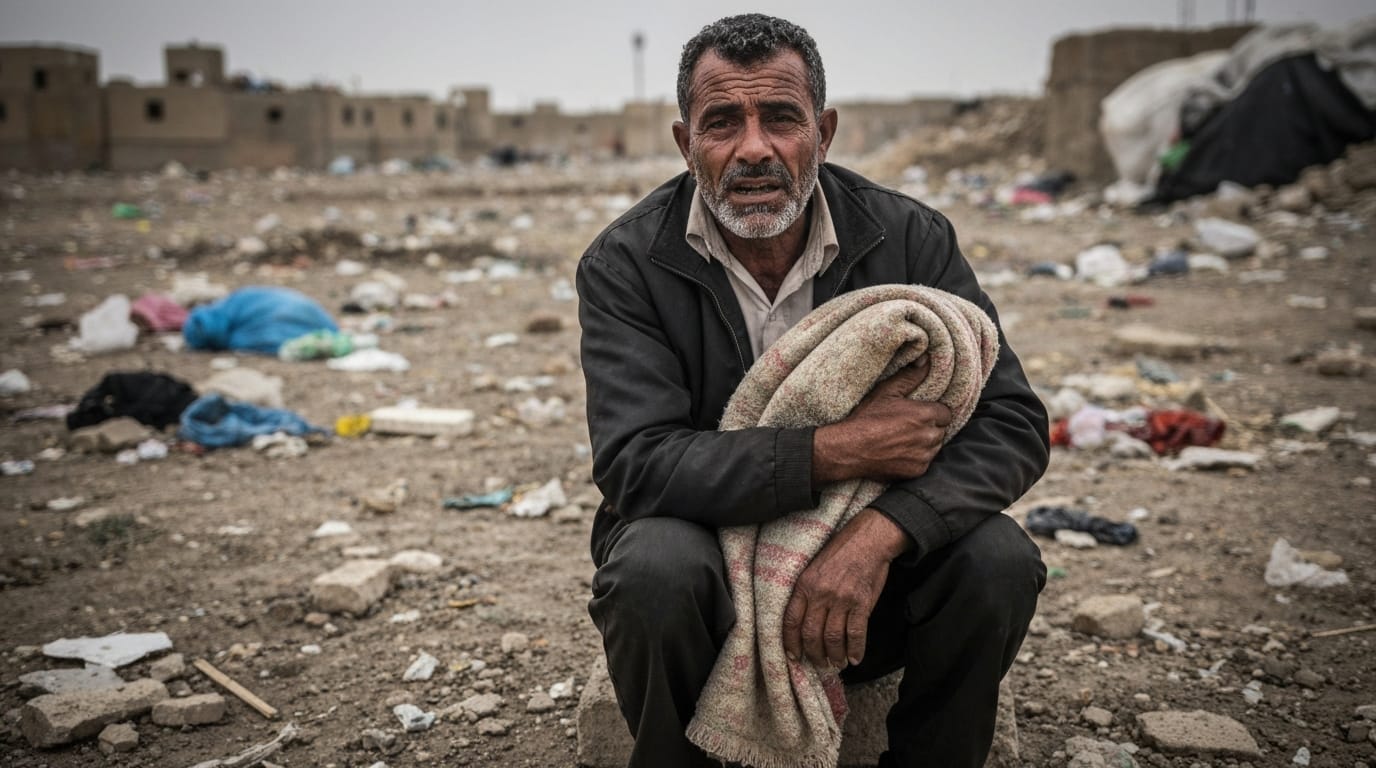
A humanitarian crisis of unimaginable scale continues to unfold within Libya, where thousands of migrants seeking passage to Europe are trapped in a brutal cycle of violence, exploitation, and profound despair. Far from the promise of a new beginning, a horrific reality of abuse, including systematic torture, forced labor, and sexual violence, has become the grim daily existence for countless individuals, many of whom describe wishing for death to escape their suffering. The journey through Libya, once a desperate gamble for freedom, has instead devolved into a humanitarian catastrophe, prompting urgent calls for international intervention and a reevaluation of policies that inadvertently fuel this modern-day slavery.
The Human Toll: A Descent into Torture and Exploitation
For migrants from across Africa and the Middle East, Libya represents the final, and often most perilous, hurdle on the route to Europe. What awaits them, however, is frequently a descent into a clandestine network of human traffickers, militias, and criminal gangs who operate with near impunity. Testimonies from survivors paint a consistent picture of extreme abuse: individuals are routinely held in unofficial detention centers or "warehouses" where they face starvation, overcrowding, and rampant disease. Physical torture, often for ransom, is commonplace, with migrants describing beatings, electric shocks, and severe psychological torment. Women and girls are particularly vulnerable, enduring widespread sexual violence, including rape, as a means of control and intimidation. The psychological scars of these experiences are profound, often leaving survivors with indelible trauma, unable to process the extent of their ordeal. Many who escape describe a pervasive sense of hopelessness, expressing that the suffering inflicted made them question the value of their own lives.
Libya's Fractured Landscape: A Haven for Traffickers
The origins of this acute crisis are deeply rooted in Libya's prolonged political instability and the breakdown of central authority following the 2011 uprising. The vacuum of governance has allowed myriad armed groups and criminal enterprises to flourish, with human trafficking becoming an increasingly lucrative venture. Migrants, often arriving in Libya having already exhausted their resources, become easy prey. Traffickers view them not as individuals, but as commodities to be bought, sold, and extorted. Families back home are frequently contacted with demands for exorbitant sums of money, often under threat of further violence against their loved ones. If ransom cannot be paid, migrants are often sold into forced labor, working in construction, agriculture, or domestic servitude, or in the most horrific scenarios, sold to other trafficking networks for further abuse. The porous borders and lack of effective law enforcement enable these networks to operate with disturbing efficiency, moving vulnerable individuals across vast stretches of the country, from desert crossing points to the coastal cities.
European Policies Under Scrutiny: Unintended Consequences
The international community, particularly European nations, has come under increasing scrutiny for its role, albeit often indirect, in perpetuating the suffering in Libya. Efforts to curb irregular migration across the Mediterranean have frequently focused on strengthening Libya's capacity to intercept boats and return migrants to Libyan shores. While intended to prevent dangerous sea crossings, these policies have inadvertently funneled thousands of individuals back into the very system of abuse they were attempting to flee. Reports from human rights organizations and the United Nations consistently highlight that migrants returned to Libya are often immediately transferred to official and unofficial detention centers, where the cycle of abuse continues or intensifies. Critics argue that by outsourcing border control to a state unable or unwilling to protect fundamental human rights, European policies are complicit in the ongoing humanitarian catastrophe, creating a situation where the desire to deter migration outweighs the imperative to safeguard lives. The lack of safe and legal pathways to asylum for those fleeing persecution and conflict leaves desperate individuals with no alternative but to risk their lives in the hands of traffickers.
A Call for Concerted Action and Shared Responsibility
Addressing the multifaceted crisis in Libya requires a comprehensive and coordinated international response that prioritizes human rights and tackles the root causes of both migration and exploitation. This includes robust efforts to dismantle trafficking networks through intelligence sharing and targeted law enforcement operations, coupled with accountability for perpetrators of atrocities. Humanitarian organizations and the United Nations continue to call for expanded access to detention centers and safe zones within Libya, along with the establishment of effective mechanisms for voluntary repatriation and resettlement for those who cannot return home. Furthermore, a critical re-evaluation of European migration policies is essential, focusing on the creation of more safe and legal pathways for asylum seekers and migrants. Investing in stabilization efforts and supporting legitimate governance structures within Libya could also help to restore law and order, diminishing the operational space for criminal enterprises. Ultimately, a lasting solution demands a shift from a deterrence-only approach to one that champions human dignity and shared international responsibility.
Reclaiming Hope from Despair
The ongoing tragedy in Libya represents a profound stain on the global conscience, a testament to the dire consequences of conflict, unchecked criminality, and policy failures. The desperate pleas of migrants, many of whom have endured unspeakable horrors and lost all hope, serve as a stark reminder of the urgent need for action. While the challenges are immense, the moral imperative to protect the most vulnerable and uphold fundamental human rights remains paramount. Only through sustained international cooperation, the vigorous prosecution of traffickers, and the implementation of humane and effective migration policies can the cycle of violence be broken, allowing those trapped in Libya to reclaim their dignity and perhaps, eventually, find a path to safety and a life free from fear.


