Urban Centers Embrace Smart Solutions for Water Security and Ecological Resilience
As global populations surge and the impacts of climate change intensify, cities worldwide are increasingly turning to advanced technologies and innovative urban planning to safeguard their most vital resource: water. This shift represents a broader movement towards ecological resilience, where integrated smart systems are fostering sustainability across various urban sectors, from energy to waste management. The imperative to act has never been clearer, with urban areas facing unprecedented challenges in maintaining consistent, high-quality water services for their growing populations.
The Mounting Pressure on Urban Water Systems
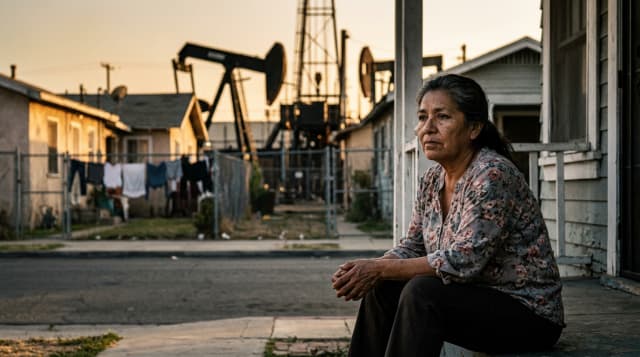
Cities are at the forefront of the climate crisis, contending with intensified water scarcity, strained hydrological cycles, and more frequent extreme weather events such as prolonged droughts and severe floods. Rising temperatures contribute to increased urban water demand for residents, businesses, and green spaces, further stressing finite resources. Many urban centers also grapple with aging water infrastructure, which can lead to significant water loss through leaks and inefficiencies. Compounding these issues is pollution, which degrades water quality and necessitates more intensive and costly treatment processes to provide safe drinking water. With an estimated two billion more residents expected in cities by 2050, the need for robust, adaptive, and sustainable water management strategies is paramount.
Technological Tides: Innovations in Smart Water Management
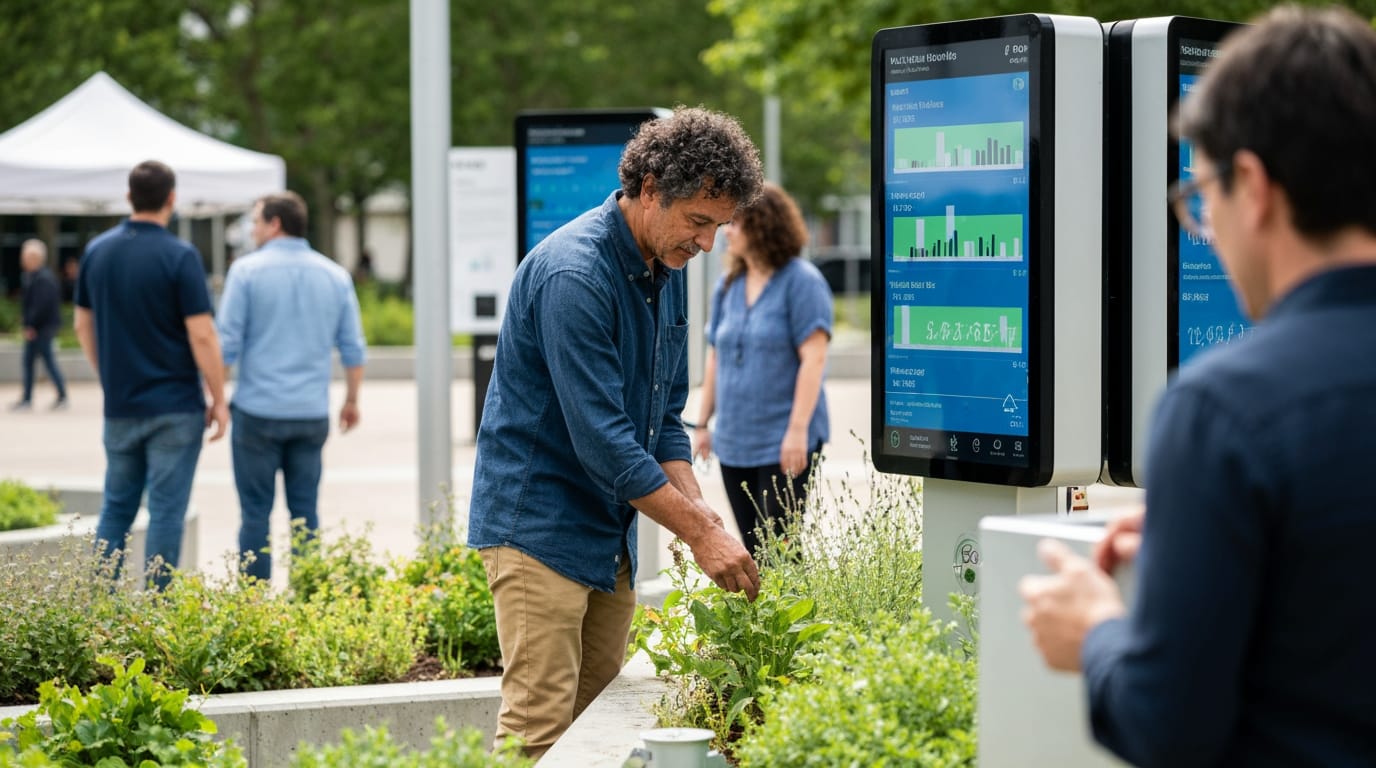
In response to these complex challenges, cities are rapidly adopting "smart water management" systems that leverage digital technology, sensors, data analytics, and the Internet of Things (IoT). These systems offer a paradigm shift from reactive to proactive water governance. Real-time infrastructure monitoring is a cornerstone of this approach, with IoT sensors placed in water pipelines detecting pressure changes that indicate leaks or bursts, enabling immediate repairs and significantly reducing water loss. Similarly, these sensors continuously monitor water quality parameters like pH and chemical composition, allowing for rapid responses to potential contamination and ensuring safe water supplies.
Smart water meters provide real-time data on water consumption in residential, commercial, and public buildings, empowering citizens with insights into their usage and promoting conservation. Cities like Barcelona have implemented these systems, leading to more effective monitoring and management of water use. Smart irrigation systems, utilizing real-time weather data, soil moisture levels, and plant requirements, automatically adjust watering schedules for landscaping and public green spaces, drastically reducing waste.
Beyond monitoring, advanced water treatment technologies are becoming increasingly crucial. Greywater recycling systems reuse water from sinks, showers, and washing machines for non-potable purposes, reducing demand for fresh water. Advanced wastewater treatment, including membrane filtration, allows for the effective removal of contaminants, producing high-quality water for reuse. Some cities are even exploring atmospheric water generators (AWG), which extract moisture from the air and convert it into drinking water, particularly beneficial in arid regions. Rainwater harvesting systems, which capture and store rainwater for later use, further reduce reliance on municipal supplies and mitigate stormwater runoff. The emergence of digital twins—virtual duplicates of urban systems—also allows for advanced analytics and simulations, aiding in predictive maintenance and flood management.
Green Infrastructure: Weaving Nature into the Urban Fabric
The focus on urban sustainability extends beyond digital water management to encompass broader ecological initiatives, collectively known as green infrastructure. These nature-based solutions are designed to mimic natural processes within the built environment. Green infrastructure, including green roofs, rain gardens, permeable pavements, and urban forests, plays a crucial role in managing stormwater runoff, reducing its volume and improving its quality by filtering out pollutants. This also alleviates pressure on conventional "grey" infrastructure like drainage pipes and sewer systems.
Green infrastructure also actively combats the urban heat island effect, with trees and vegetation providing shade and cooling through evapotranspiration, which can reduce local temperatures significantly. These green spaces enhance urban biodiversity by providing habitats for local wildlife, improve air quality by absorbing pollutants, and increase carbon sequestration. Cities like Copenhagen, Amsterdam, and Vancouver are leading examples, integrating green spaces with sustainable transportation, renewable energy, and efficient waste management systems. Urban farming initiatives, green buildings, and smart transportation networks featuring electric vehicles and bike-sharing programs further contribute to a holistic approach to urban sustainability.
The Multifaceted Benefits of a Smarter, Greener City
The adoption of smart water management and green infrastructure yields substantial economic, social, and environmental benefits, enhancing urban resilience in the face of climate change and rapid urbanization. Economically, these initiatives lead to significant cost savings. Smart water meters and leak detection systems prevent costly water loss, with studies showing potential savings of hundreds of millions annually for industries. Optimized water usage reduces operational expenditures for utilities and lower utility bills for residents and businesses. Green infrastructure, while requiring initial investment, can increase property values, create local jobs, and lower long-term public infrastructure costs.
Socially, these advancements translate to improved public health by ensuring access to high-quality water and cleaner air. Green spaces promote physical and mental well-being, fostering community engagement and environmental awareness among urban residents. Cities actively involve their citizens through educational campaigns and awareness programs to promote water conservation and sustainable practices. Ultimately, these integrated efforts enhance the overall quality of life, making cities more livable and equitable for their inhabitants.
Charting a Sustainable Urban Future
The global movement towards smarter cities, particularly in their approach to water and ecological well-being, signifies a profound shift in urban development. From real-time monitoring and leak detection to green infrastructure and advanced recycling, the array of innovations demonstrates a commitment to building more resilient and sustainable urban environments. While the journey requires continued collaboration among public and private sectors, stakeholders, and citizens, the successes observed in pioneering cities offer a clear roadmap. By embracing these integrated strategies, urban centers are not only securing their water futures but also fostering healthier, more economically vibrant, and ecologically balanced communities for generations to come.