US and Iran Trade Heavy Blows as Fragile Ceasefire Nears Collapse
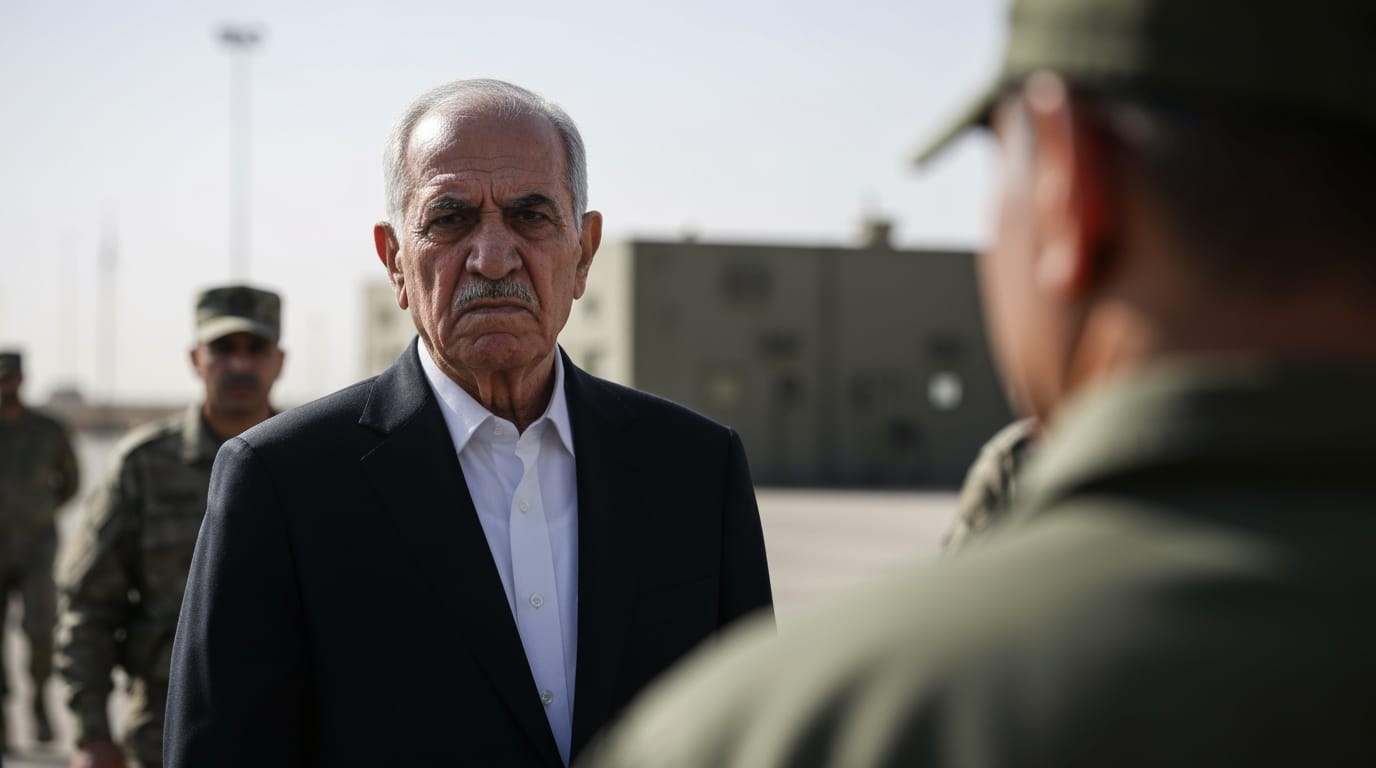
A tenuous two-month ceasefire between the United States and Iran has unraveled in a series of escalating military strikes this week, pushing the volatile Middle East closer to a full-scale regional conflict. The renewed hostilities, triggered by the downing of a U.S. military helicopter, have seen both nations exchange punitive attacks, casting a dark shadow over stalled diplomatic efforts and raising alarms about global economic stability.
The fragile truce, in place since early April, has been shattered by a dangerous cycle of aggression and retaliation. The latest surge in violence began on Monday with the destruction of a U.S. Army Apache helicopter near the strategic Strait of Hormuz, an incident the United States swiftly attributed to Iran. In response, U.S. forces launched extensive retaliatory strikes deep inside Iranian territory, targeting key military assets. Tehran quickly vowed "crushing and decisive" counter-measures, unleashing a barrage of drones and missiles against American installations in allied Gulf nations, signaling a dramatic intensification of the long-simmering tensions. As of Thursday morning, Kuwait and Bahrain reported incoming strikes, highlighting the widespread and immediate regional impact of the renewed fighting.
The Spiral of Escalation: From Hormuz to Regional Capitals
The spark for this week's dangerous escalation ignited on June 8 when a U.S. Army Apache helicopter was shot down over waters near the Strait of Hormuz, a critical maritime choke point for global oil shipments. While Iran suggested the downing could have been an accident, American officials firmly attributed the attack to Tehran, prompting swift and forceful retaliation. On June 9, U.S. Central Command confirmed strikes against approximately 20 targets in southern Iran. These initial attacks focused on Iranian air defenses, radar sites, and ground control stations.
The escalation continued rapidly. By June 10, Iran had launched its own wave of drone and missile attacks. Targets included U.S. military installations in Kuwait and Bahrain, as well as an airbase in Jordan. Iranian state media claimed the use of a new type of drone in some of these attacks, specifically targeting the U.S. Navy's Fifth Fleet headquarters in Bahrain and the Ali Al Salem Air Base in Kuwait. Jordan reported shooting down five incoming missiles, while debris from intercepted projectiles fell in its territory without causing injuries.
Hours later, the U.S. launched a second round of strikes against Iran. President Donald Trump, warning Iran would "pay the price" for stalled negotiations, authorized attacks on Iranian military surveillance capabilities, communication systems, and air defense sites across Iran. Iranian media reported explosions in southern cities near the Strait of Hormuz, including Bandar Abbas, Sirik, and Minab. Defense Secretary Pete Hegseth stated that if the U.S. needed to "negotiate with bombs," it would, emphasizing the military pressure aimed at securing a deal. This rapid succession of strikes and counter-strikes marks the most severe and extensive breakdown of the ceasefire to date.
A Ceasefire in Tatters: Diplomacy Undermined by Force
The current hostilities represent a significant blow to a ceasefire that was established on April 8, 2026, and later extended indefinitely by President Trump on April 21. Mediated by Pakistan, the initial two-week agreement was intended to de-escalate a conflict that began on February 28, 2026, with joint U.S.-Israeli airstrikes, known as "Operation Epic Fury," against Iran. These initial strikes killed Iran's Supreme Leader Ali Khamenei and dozens of other officials, triggering widespread retaliatory actions from Tehran, including missile and drone attacks and the effective closure of the Strait of Hormuz.
However, the ceasefire has been plagued by repeated violations and mutual accusations since its inception. Iranian Foreign Ministry spokesperson Esmail Baqaei accused the U.S. of violating the ceasefire and sending contradictory messages, stating that the latest strikes were "damaging this diplomatic process". Meanwhile, President Trump has criticized Iran for taking "too long" to negotiate a deal, suggesting that military action is intended to compel Tehran to accept a peace accord.
Despite the bellicose rhetoric and military actions, some U.S. officials maintain that diplomatic channels remain open, portraying the strikes as distinct from ongoing negotiations. One anonymous White House official suggested that "two things can happen at the same time," referring to military pressure and diplomatic efforts. United Nations Secretary General António Guterres described the ceasefire as "more like a lesser fire," underscoring the precarious balance between de-escalation and renewed conflict. However, with no known direct talks between the two sides since April 11, and each side leveraging force to enhance negotiating positions, the path to a durable peace remains deeply uncertain.
Regional and Global Fallout: Economic Shockwaves and Humanitarian Crisis
The resurgence of open hostilities carries grave implications for regional stability and the global economy. A major point of contention and economic impact remains the Strait of Hormuz, through which approximately one-fifth of the world's oil supply transits. Iran has reiterated threats to fire on any vessel attempting to pass through the Strait, claiming its complete closure, though the U.S. military has denied this, asserting that commercial shipping continues. Such disruptions have already led to the largest supply disruption of the global oil market, causing drastic increases in oil prices, surging inflation, and broader economic uncertainty worldwide. The war's economic cost to the U.S. military alone was estimated at nearly $29 billion by May, with projections of much higher figures.
Beyond the economic fallout, the conflict has exacted a devastating humanitarian toll. Thousands of people have died in Iran and Lebanon, with dozens more in Israel and Gulf Arab states. Millions have been displaced across the region, including more than one-sixth of Lebanon's population. The initial U.S.-Israeli strikes in February resulted in civilian casualties, notably the tragic strike on a girls' school near a naval base in Minab, killing approximately 170 people.
The conflict has also fueled proxy battles, particularly between Israel and Hezbollah in Lebanon. While a ceasefire was also agreed upon between Israel and Lebanon, the Iran-backed Hezbollah quickly rejected it, leading to continued exchanges of fire. The broader implications include a severe disruption to global travel and trade, stranding residents and tourists alike, as well as a potential long-term reshaping of power dynamics in the Middle East.
An Unsettled Future
The latest volley of strikes between the United States and Iran has pushed an already volatile region to the brink. With both sides demonstrating a willingness to use military force in pursuit of their objectives, the fragile ceasefire established in April appears increasingly untenable. While President Trump insists a deal is still possible and that military pressure is a means to achieve it, Iran views the U.S. actions as undermining any diplomatic progress. The risk of a full-scale war, with potentially catastrophic regional and global consequences, looms large as the international community watches with growing apprehension, hoping for a return to meaningful dialogue before the situation spirals further out of control.


