US Army Vehicle Recovered in Lithuania, Fate of Soldiers Still Unknown
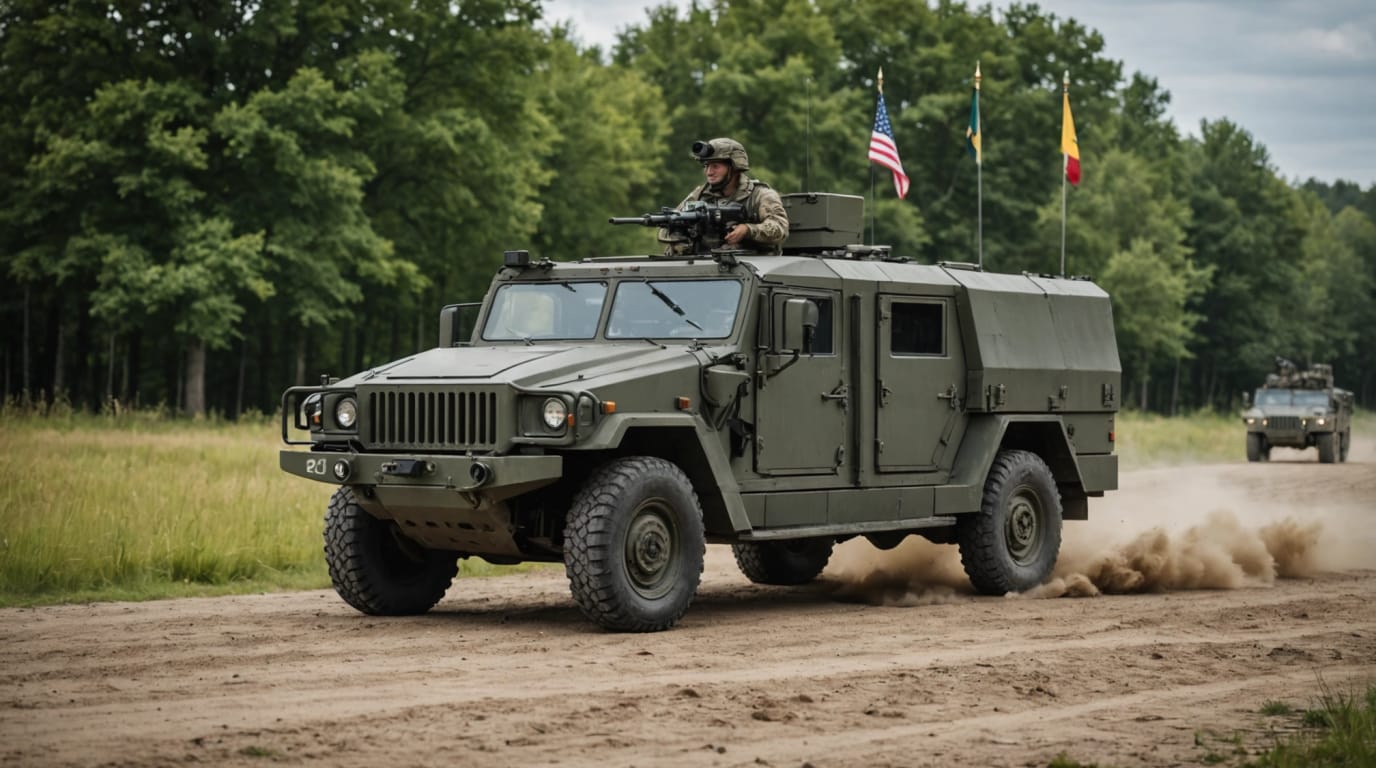
VILNIUS, Lithuania – A U.S. armored vehicle that disappeared in Lithuania during a training exercise has been recovered from a swamp after a six-day search, but the fate of the four American soldiers who were aboard remains unknown. Lithuanian officials announced the recovery of the vehicle early Monday morning, but offered no information regarding the missing soldiers.
The M88 Hercules recovery vehicle was located Wednesday, submerged in approximately 15 feet of water in a swamp near the General Silvestras Žukauskas training ground, close to the town of Pabradė. Pabradė is located roughly six miles west of the border with Belarus. The soldiers and their vehicle were reported missing early Tuesday morning, prompting a large-scale search operation.
Lithuanian Defense Minister Dovilė Šakalienė confirmed the vehicle's retrieval in a Facebook post Monday. "The armored vehicle was pulled ashore at 4:40 a.m., the towing operation is complete, Lithuanian Military Police and US investigators continue their work," she wrote. Šakalienė also emphasized the sensitivity of the situation and the concerns of the soldiers' families, stating that the U.S. Army would be the primary source of information regarding the soldiers' status.
Extensive Search and Recovery Efforts
Hundreds of Lithuanian and U.S. soldiers and rescuers participated in the search, navigating the dense forests and swampy terrain surrounding the training area. The challenging environment significantly hampered the recovery operation.
The U.S. Army reported that "water, thick mud, and soft ground around the site have complicated recovery efforts and have required specialized equipment to drain water from the side and stabilize the ground" to safely extract the 70-ton vehicle. Makeshift dams constructed from HESCO barrier bags were used to manage the water levels during the operation.
Training Exercise Turns Tragic
The missing soldiers, assigned to the 1st Brigade, 3rd Infantry Division, were engaged in tactical training at the General Silvestras Žukauskas training ground when they disappeared. The circumstances surrounding their disappearance remain unclear.
The General Silvestras Žukauskas training ground is a large military training area used for joint exercises between U.S. and Lithuanian forces, as well as troops from other NATO allies. The training area's proximity to the Belarus border adds a layer of geopolitical sensitivity to the situation.
International Cooperation
The search and recovery operation has highlighted the close cooperation between the United States and Lithuania, both NATO allies. Lithuanian authorities have provided significant support in the search efforts, and U.S. Army personnel are working closely with Lithuanian Military Police and investigators.
The U.S. Army has not yet released details about the ongoing investigation or the search for the missing soldiers. The focus remains on locating the soldiers and providing support to their families.
Geopolitical Implications
The incident occurs against a backdrop of heightened tensions in the region, given Belarus's close relationship with Russia. While there is no indication of foul play, the proximity to the border adds complexity to the situation.
Lithuania has been a strong supporter of increased NATO presence in the Baltic region, particularly since Russia's annexation of Crimea in 2014. The country views a strong U.S. military presence as a deterrent against potential Russian aggression.
Uncertainty and Concern
As the investigation continues, uncertainty and concern remain regarding the fate of the four American soldiers. The U.S. Army is expected to release further information as it becomes available, while Lithuanian authorities have pledged their continued support in the search efforts. The families of the missing soldiers have been notified, and are receiving support from the U.S. Army. The incident serves as a stark reminder of the risks involved in military training exercises, even in peacetime.


