US Arts Commission Approves Controversial Gold Coin Bearing Trump's Image for Nation's 250th Anniversary
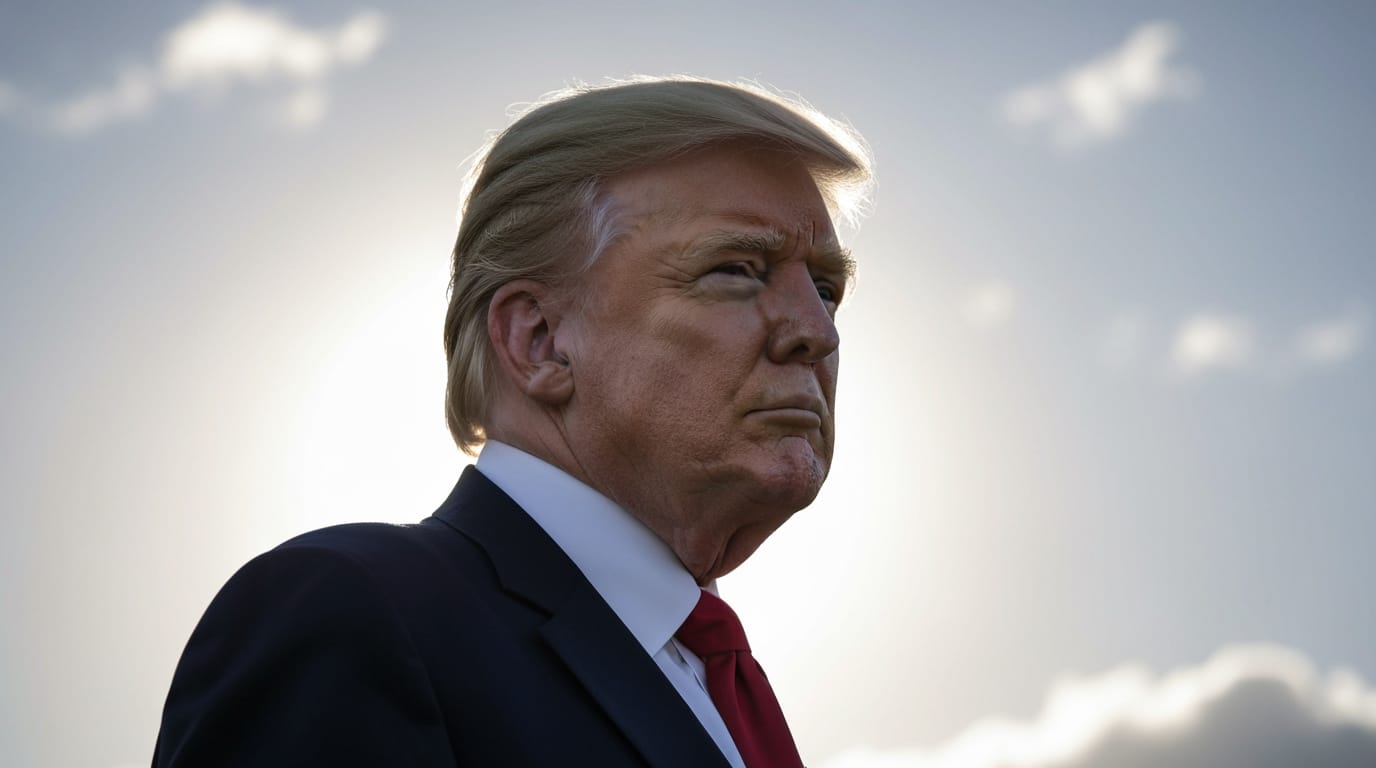
WASHINGTON D.C. – A federal arts commission has approved the design for a 24-karat gold commemorative coin featuring the image of President Donald Trump, paving the way for the U.S. Mint to begin production ahead of the nation's 250th anniversary in 2026. The decision, made by the U.S. Commission of Fine Arts (CFA) on Thursday, marks a significant departure from long-standing tradition against depicting living U.S. presidents on official currency and has immediately ignited debate over its legality and symbolic implications.
Breaking with Precedent: A Living President on Gold
The approval of the coin design comes as the United States prepares to celebrate its semiquincentennial, or 250th anniversary. Traditionally, federal law has prohibited the depiction of living individuals, particularly sitting presidents, on U.S. currency. This principle has been a cornerstone of American numismatic practice, rooted in the founders' aversion to monarchical imagery. The last notable instance of a living president on a commemorative coin was Calvin Coolidge, whose likeness was overlaid with George Washington's for the nation's sesquicentennial in 1926.
However, the Trump administration has asserted that the Treasury Secretary, Scott Bessent, holds the authority to bypass this prohibition. Megan Sullivan, acting chief of the Office of Design Management at the U.S. Mint, cited a provision within Section 5112 of Chapter 31 of the U.S. Code, alongside the Circulating Collectible Coin Redesign Act of 2020. These statutes, according to the administration, grant the Secretary discretion in authorizing the minting and issuance of certain gold coins. All members of the CFA who voted unanimously to approve the design were appointed by President Trump.
The Design: A Powerful Portrayal
The approved design for the 24-karat gold coin prominently features President Trump on its obverse (front). He is depicted in a suit and tie, leaning forward with a stern expression, his fists resting on a desk. This image is reportedly a reproduction of a photograph displayed in the National Portrait Gallery. Inscriptions on the obverse include "LIBERTY" in an arc across the top, the dates "1776-2026," and "IN GOD WE TRUST" at the bottom, flanked by seven stars on one side and six on the other. President Trump personally approved this design.
The reverse side of the coin showcases a bald eagle, variously described as mid-flight or perched with outstretched wings over what appears to be a bell. This side also bears the inscriptions "UNITED STATES OF AMERICA" and "E PLURIBUS UNUM." While the commemorative gold coin's precise size and denomination are still under discussion, some commission members expressed a desire for it to be as large as possible. Beyond this commemorative piece, the administration also intends to mint two other smaller coins featuring Trump's image: a one-dollar coin for circulation and another collectible 1-ounce 24-karat gold coin with a face value of $250.
Numismatic Norms and Legal Challenges
The decision has drawn sharp criticism from numismatic experts and those concerned about the precedent it sets. Donald Scarinci, acting chairman of the Citizens Coinage Advisory Committee (CCAC), characterized the administration's move as utilizing a "loophole" to circumvent traditional oversight. He warned that without proper review from the CCAC, such coins could be deemed "illegal." Scarinci further emphasized that placing a sitting ruler on currency is a practice historically associated with monarchies and dictatorships, contrasting it with democratic principles. The CCAC notably declined to review the proposed coin design despite its submission by the U.S. Mint.
This situation contrasts markedly with established programs such as the Presidential Dollar Coin Program (2007-2016, 2020), which specifically honors deceased presidents, requiring a minimum two-year period after their passing before their images can appear on coinage. The 1866 Congressional ban on featuring living individuals on U.S. currency further underscores the historical reluctance to blur the lines between elected leadership and permanent symbols of state.
Implications and the Road Ahead
The approval of the Trump commemorative gold coin marks an unprecedented moment in American numismatic history, blending a national milestone with a contentious political statement. The move has been framed by supporters as a fitting tribute to the current president during a significant national anniversary, while critics view it as a troubling break from democratic tradition and a politicization of national symbols.
As the U.S. Mint prepares for production, the coin is expected to become both a sought-after collectible and a focal point for ongoing debate about the intersection of presidential power, national iconography, and historical precedent. Its ultimate legacy will likely be shaped by public reception, its market value, and the broader political landscape as the nation approaches its 250th birthday.


