US Ban on Canadian Goods Takes Effect as Trade Dispute Deepens
The restrictions mark a rare shift from tariffs to outright import prohibitions between the North American trading partners.
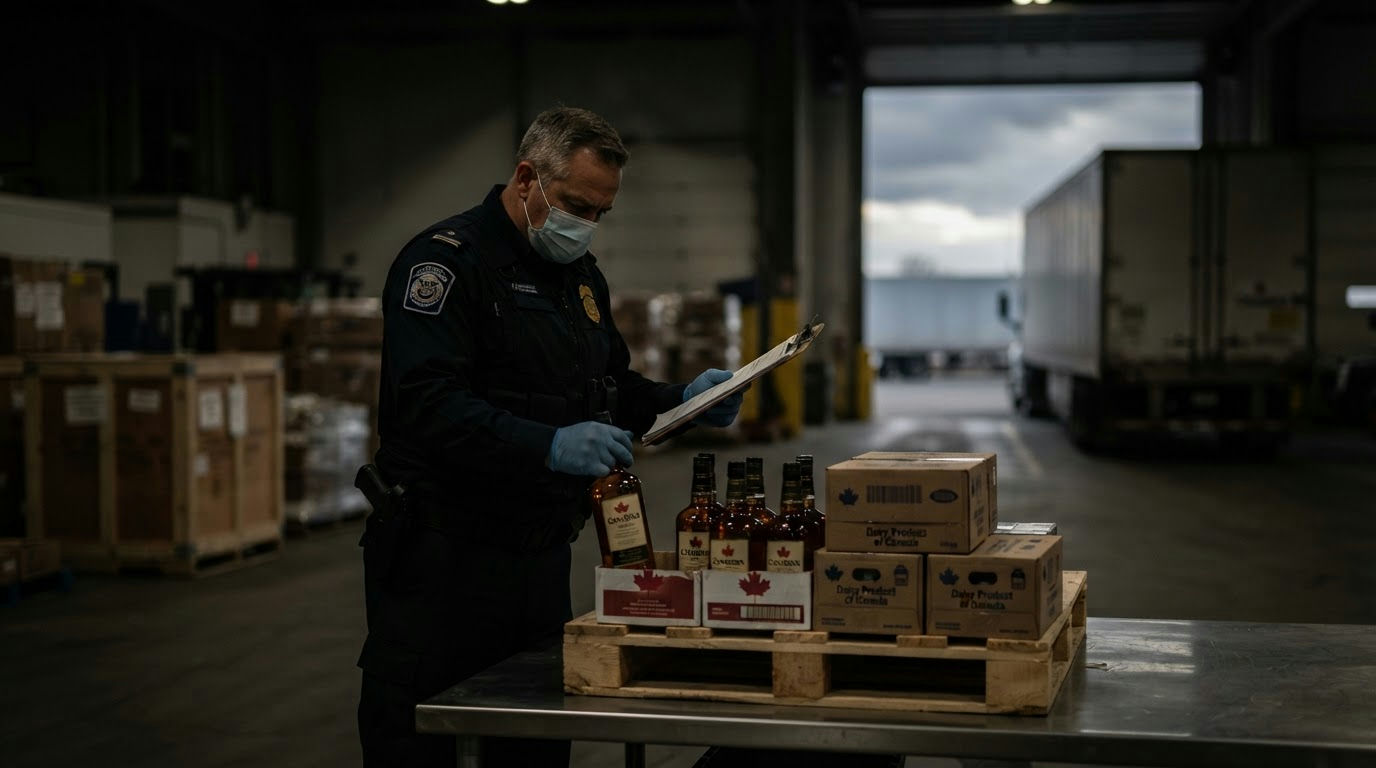
The United States began enforcing an import ban on select Canadian goods just after midnight Tuesday. The measure prohibits Canadian shipments of alcohol, whey, molasses and certain motorcycles from entering the American market. The policy took effect at 12:01 a.m. Eastern time across all U.S. ports of entry.
The restrictions stem from presidential proclamations signed by President Donald Trump on Sept. 8. The White House stated that the prohibitions respond to Canadian trade policies that allegedly discriminate against U.S. agricultural and industrial producers. In particular, Washington cited provincial curbs on American liquor sales and Canada's dairy supply management system.
The ban encompasses a broad range of packaged alcoholic drinks, including beer, wine, cider, whisky, rum and vodka. It also covers non-alcoholic beer, whey protein and gas-powered motorcycles with engines exceeding 800 cubic centimeters. Other goods, such as various cheeses and industrial materials, face 50% tariffs rather than full bans.
The action follows months of worsening friction after bilateral trade talks collapsed in August. Washington imposed 50% duties on about $20 billion of Canadian goods in late August. Ottawa responded on Sept. 8 with dollar-for-dollar counter-tariffs on U.S. products. Trump countered hours later by ordering the import bans under Section 338 of the Tariff Act of 1930.
Canada's Trade Minister Dominic LeBlanc said the federal government will protect domestic workers, farmers and businesses from unjustified American trade actions. Prime Minister Mark Carney said in a public address that Canada must accelerate efforts to diversify its trade relationships and reduce economic dependence on the United States.
Economists noted that the banned categories represent a targeted portion of cross-border trade, with alcohol making up the largest share at about $1.2 billion annually. However, trade experts said unwinding outright bans typically proves far more difficult than lowering negotiated tariffs.
A separate White House directive requiring federal agencies to exclude Canadian goods from government contracts remains in place. U.S. officials said an earlier threat to raise tariffs on Canadian automobiles from 25% to 50% on Jan. 1 is still scheduled to proceed.